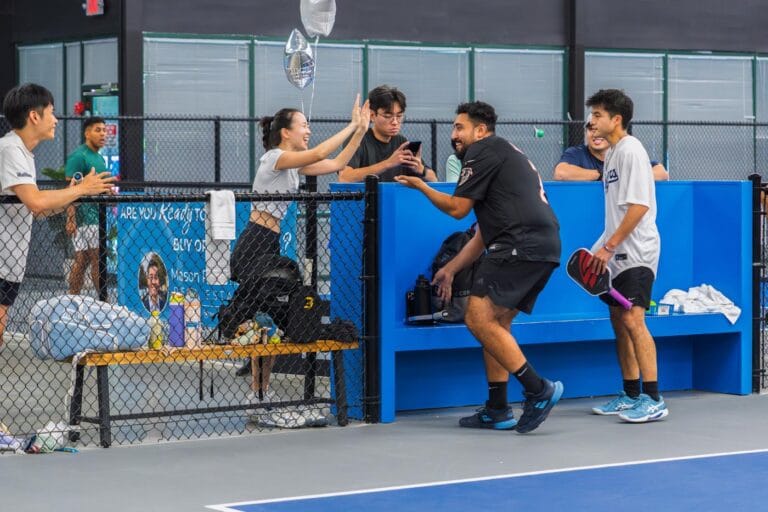

Strong dinking can completely change the pace of a pickleball match. While power has its place, control and consistency at the net are often what separate beginner players from more advanced competitors. The ability to place soft shots accurately and stay patient during rallies is a skill that takes focused practice.
Top dinking drills that improve control and consistency are designed to sharpen touch, footwork, and placement under pressure. Repetition, paddle control, and strategic shot placement all help players develop more confidence during fast exchanges at the kitchen line.
With the right drills and consistent practice, you can improve your accuracy, reduce unforced errors, and build a more reliable short game that gives you greater control during competitive play.
Core Dinking Techniques And Fundamentals
Developing a strong soft game starts with understanding the fundamentals behind effective dinking drills. In pickleball, dinking is not about power. It is about control, patience, placement, and consistency. Players who can stay composed during dink rallies often create more opportunities to force errors and control the pace of play.
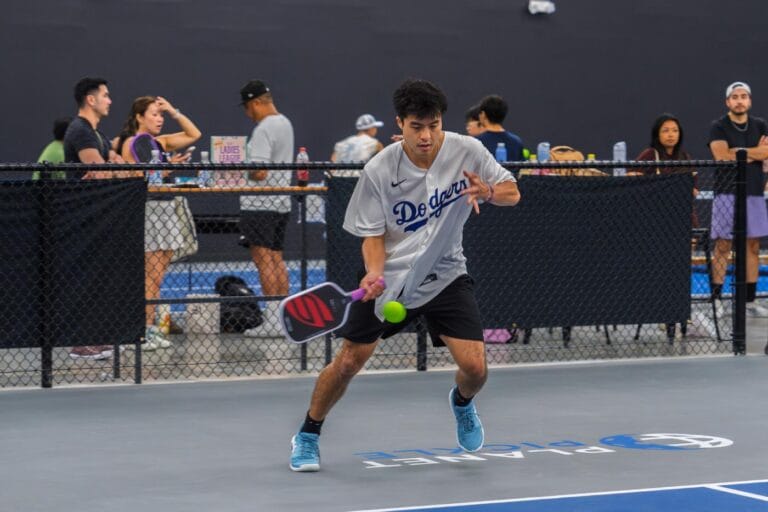
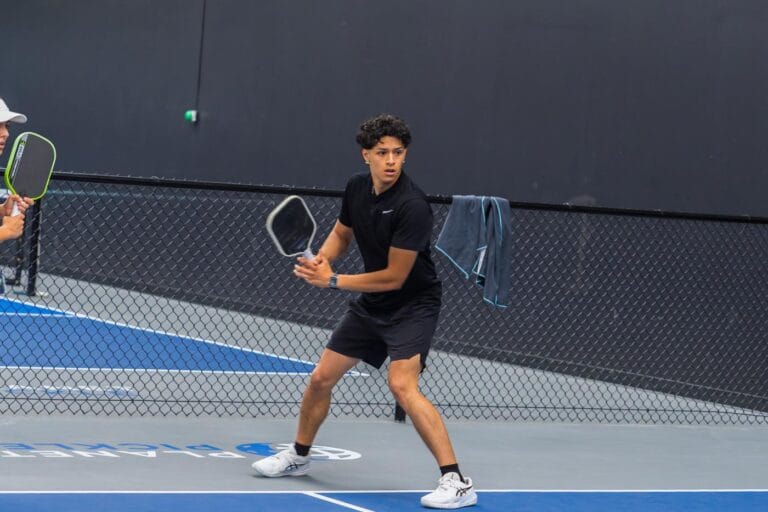
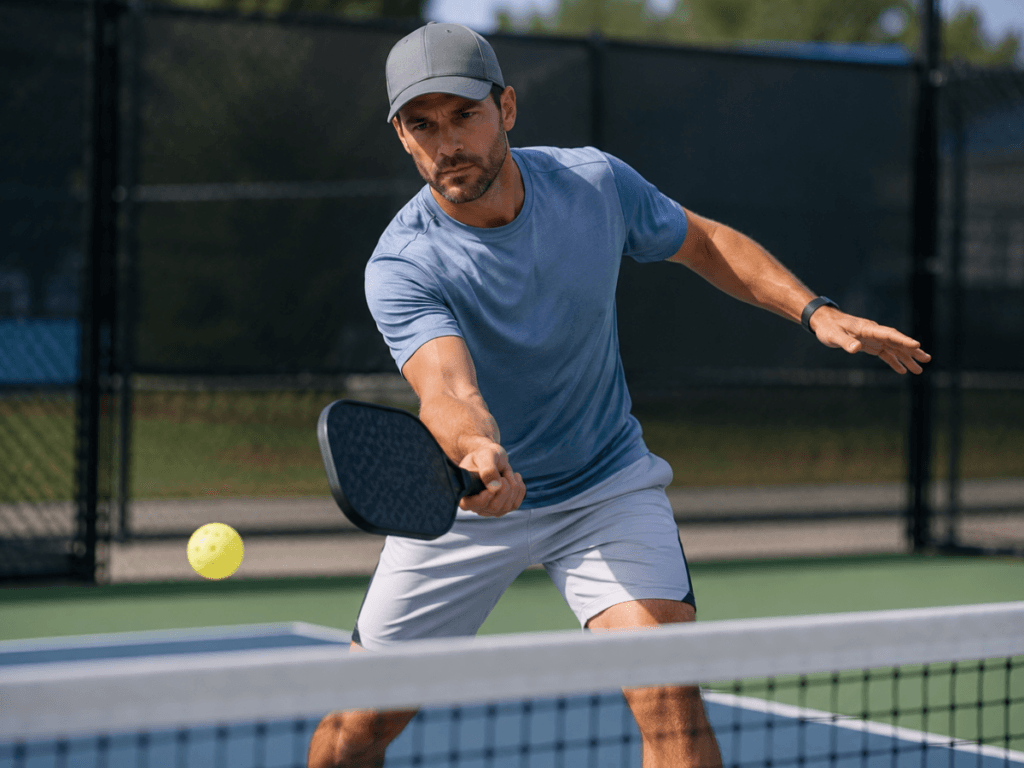
Good dinking technique begins with balance and positioning. Staying low with slightly bent knees helps you react quickly while maintaining better paddle control. Your paddle should stay out in front of your body rather than dropping to your side, which improves reaction time and keeps your movements compact.
The motion itself should remain smooth and controlled. Instead of swinging aggressively, most successful dinks come from short, gentle movements that guide the ball softly over the net. The goal is to keep the ball low enough that your opponent cannot attack it comfortably.
Many dinking drills focus on repetition because consistency is one of the hardest parts of the soft game. Repeated practice helps players improve touch, reduce unforced errors, and become more comfortable during longer kitchen exchanges.
What Paddle Control Techniques Are Best For Soft Game Pickleball Practice?
Paddle control is one of the biggest factors separating beginner and advanced players during dink rallies. Small adjustments in paddle angle, grip pressure, and contact point can completely change the outcome of a shot.
A relaxed grip generally produces better touch than squeezing the paddle tightly. Excess tension in the hand or wrist often causes players to pop the ball up too high, creating attack opportunities for opponents. Keeping the grip relaxed allows for softer contact and better feel during delicate exchanges.
Compact movements are equally important. Large backswings tend to create inconsistent contact and make it harder to control placement. Most effective dinks rely on short, efficient motions with minimal extra movement.
Paddle angle also matters during soft game practice. Slightly opening the paddle face can help lift lower balls safely over the net, while a more neutral angle keeps dinks flatter and more controlled. Learning how paddle position affects trajectory is a major part of improving dinking drills.
Crosscourt dink practice is especially useful because it gives players more margin for error due to the longer diagonal distance across the court. Many players use this setup to build consistency before progressing to more advanced patterns like directional changes or speed variations.
How Does Paddle Grip Affect Dinking Shot Precision?
Grip choice can have a noticeable impact on shot accuracy and control. While there is no single “perfect” grip for every player, comfort and stability are both important when developing a reliable dink.
Grip pressure often matters more than grip style itself. Players who hold the paddle too tightly frequently struggle with touch and precision. A lighter grip allows the paddle to absorb some of the ball’s impact, helping create softer and more controlled shots.
Grip thickness can also influence paddle control. A grip that is too small may encourage excessive wrist movement, while an oversized grip can reduce feel and maneuverability. Some players add overgrips to customize paddle thickness and improve comfort during extended play.
Research surrounding pickleball mechanics has also explored how paddle weight, grip size, and grip technique influence soft shots like dinks and resets. Even small adjustments can affect reaction speed and overall shot control during kitchen exchanges.
Because every player’s hand size and playing style are different, experimenting with grip adjustments during dinking drills can help identify what feels most natural and consistent.
What Paddle Control Errors Reduce Soft Touch Effectiveness?
Several common mistakes can interfere with soft touch and consistency during dink rallies. One of the most frequent errors is overhitting the ball. Many players instinctively swing too hard, especially under pressure, causing the ball to rise too high or travel too deep into the court.
Another issue is excessive wrist movement. While some wrist action naturally occurs, overly flicking the paddle often reduces control and creates inconsistent contact points. Keeping the wrist stable generally produces more reliable dinks.
Poor footwork can also impact paddle control. Reaching for the ball instead of moving into position makes it harder to maintain balance and execute clean contact. Good dinking drills often combine paddle work with movement training to improve positioning during rallies.
Players also struggle when they become too predictable. Repeating the same dink location over and over allows opponents to anticipate shots more easily. Mixing up depth, placement, and angles keeps rallies more competitive and creates better offensive opportunities.
Improving the soft game takes patience, but consistent practice with focused dinking drills helps players build confidence, improve touch, and become more comfortable controlling rallies at the kitchen line.
Dinking Drills And Practice Routines
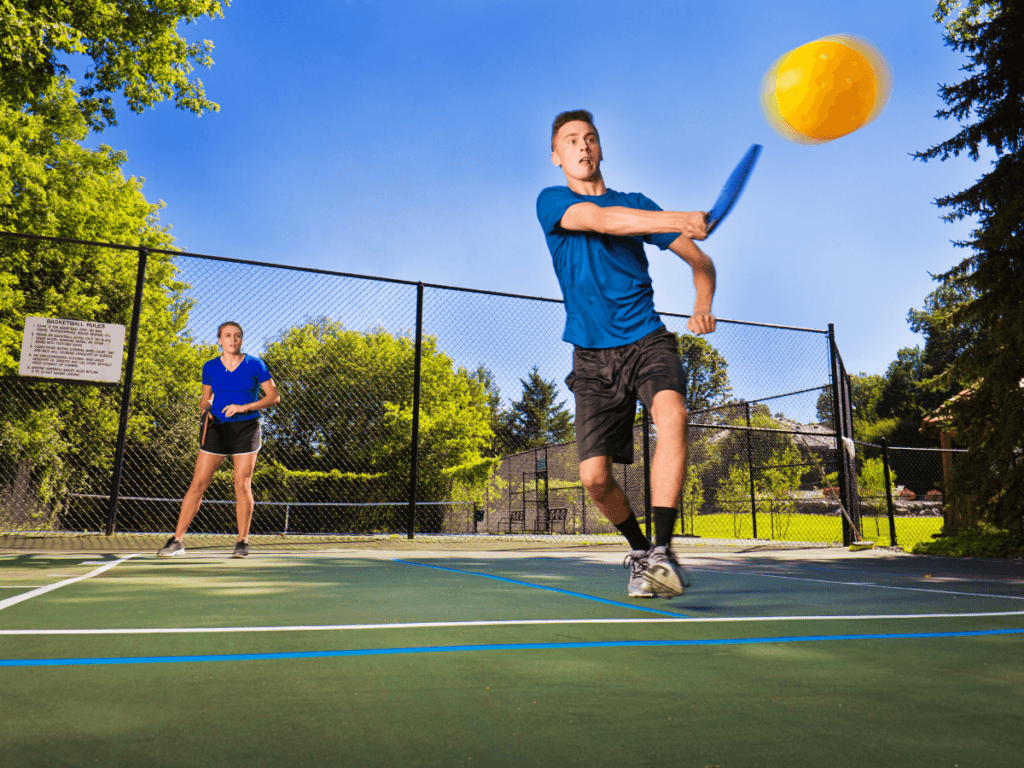
Consistent practice is one of the fastest ways to improve your soft game in pickleball. While casual play helps develop experience, focused dinking drills allow players to isolate specific skills like touch, placement, paddle control, and footwork.
Over time, these repetitions build confidence and make kitchen exchanges feel more natural during competitive matches.
A good practice routine should balance control, movement, and consistency. Rather than trying to hit perfect shots immediately, players benefit most from drills that encourage steady improvement and repeatable mechanics. The goal is to develop reliable habits that hold up under pressure.
Many players also overlook the importance of footwork during dinking practice. Good paddle control becomes much harder when positioning is poor. Effective dinking drills combine soft hands with balanced movement around the kitchen line so players can stay prepared for quick exchanges.
Research into pickleball skill development further highlights the importance of structured drills and lessons for improving movement, positioning, and overall game consistency.
What Are The Essential Kitchen Positioning Drills For Effective Dinking?
Kitchen positioning is one of the most important parts of a strong soft game. Players who stay balanced and maintain proper spacing at the non-volley zone are usually more successful during extended dink rallies.
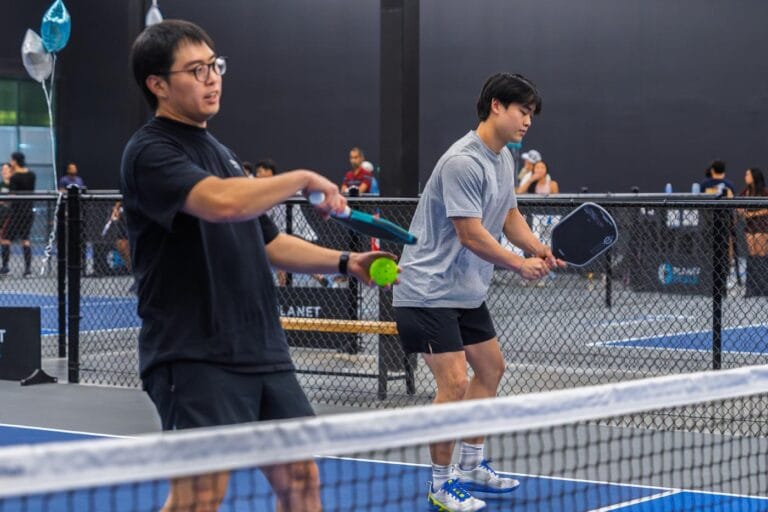
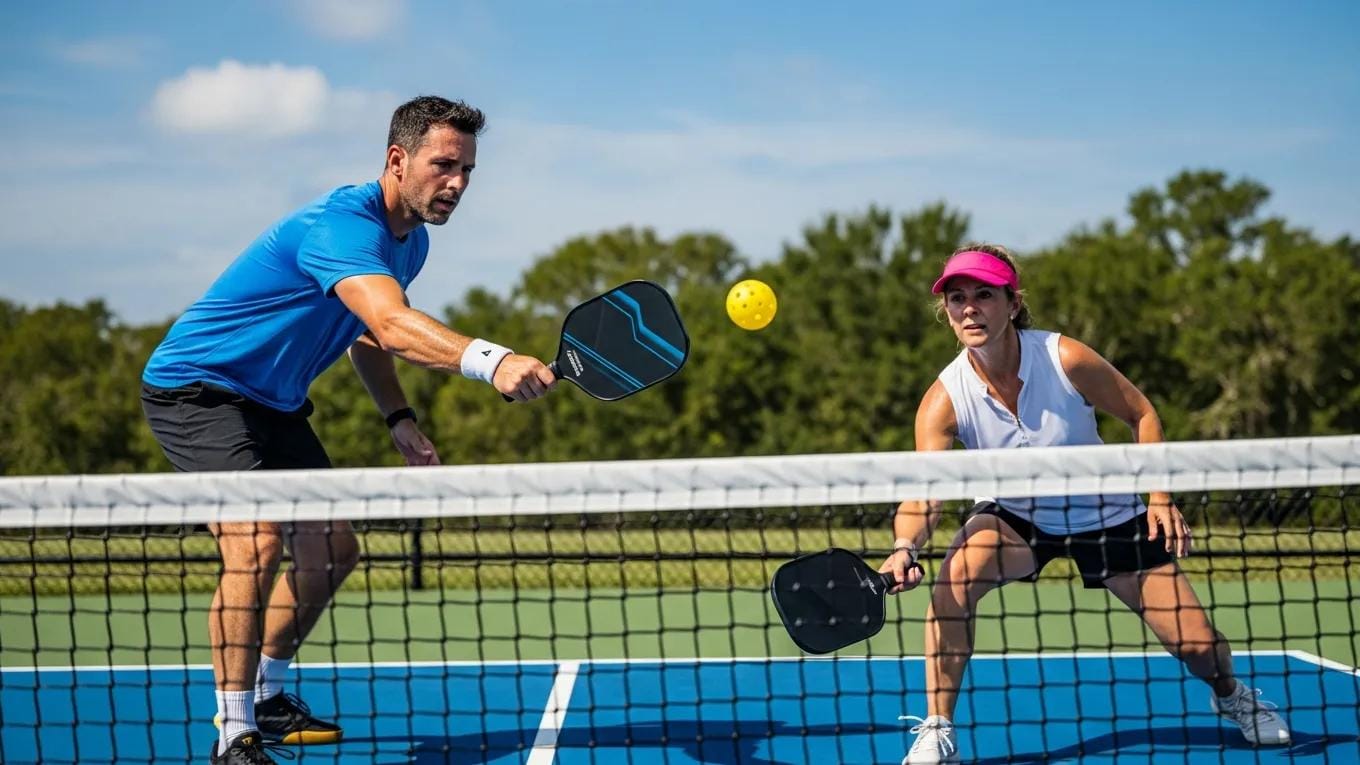
One of the simplest but most effective dinking drills is the partner dink rally. In this drill, two players stand at the kitchen line and exchange soft shots while focusing on control rather than speed. The purpose is not to win the rally but to maintain consistency and good positioning throughout the exchange.
Cross-court dink rallies are especially useful because they create a slightly larger margin for error while encouraging movement and angle control. Players can practice recovering to proper positioning after each shot instead of reaching or overextending.
Another helpful exercise involves controlled movement along the kitchen line. Players dink the ball while shuffling laterally, working on balance and paddle readiness at the same time. This type of movement training improves reaction speed during real match situations.
Wall drills are also valuable for positioning practice. Standing close to a wall and repeatedly tapping the ball with soft contact helps players stay low and maintain stable paddle positioning through continuous repetitions.
How Do Kitchen Zone Drills Enhance Your Soft Touch Skills?
Kitchen zone drills are designed to improve touch, placement, and patience during soft exchanges. Many players struggle with dinking because they try to force aggressive shots too early instead of controlling the pace of the rally.
Target-based drills are one of the best ways to improve precision. Players can place cones or markers inside the kitchen and practice landing soft dinks in specific areas. This helps train depth control while reinforcing consistency.
Alternating forehand and backhand dinks is another useful drill for developing touch on both sides of the body. Instead of relying heavily on one side, players learn to stay balanced and adjust their paddle angle depending on shot placement.
Some dinking drills also focus on changing pace and trajectory. Mixing in higher defensive dinks with lower, more aggressive placements teaches players how to adapt during rallies rather than hitting every shot with the same rhythm.
The kitchen area often becomes a mental battle as much as a physical one. Practicing patient, controlled exchanges during drills helps players remain calm during long rallies instead of rushing into unnecessary errors.
Which Paddle Handling Drills Develop Consistent Soft Touch?
Soft touch comes from efficient paddle control rather than excessive movement. Players who use compact swings and relaxed hands generally perform better during dink exchanges.
Wall tap drills remain one of the most effective paddle-handling exercises because they provide constant repetition without requiring a partner. The goal is to maintain a steady rhythm and soft contact while minimizing unnecessary backswing.
Cross-court dinking drills also help improve paddle control because they require more precise placement and angle management. Repeating these shots builds confidence and consistency over time.
Another useful exercise is the reset drill, where players intentionally soften faster incoming balls into controlled kitchen shots. This teaches touch under pressure and helps players transition from defensive situations into neutral rallies.
Grip pressure matters during all of these exercises. Many players tighten their grip too much during fast exchanges, which often causes the ball to pop up. Maintaining a relaxed grip improves feel and helps absorb pace more effectively.
How To Structure A Practice Routine Using Dinking Drills
A structured practice routine helps players improve more consistently than random repetition alone. Starting with warm-up exercises and short control drills prepares the body and builds rhythm before moving into more competitive practice.
Many players begin with solo wall work to focus on touch and paddle control. From there, partner drills can introduce movement, placement, and rally consistency. Finishing with game-like scenarios allows players to apply their soft game skills under realistic pressure.
Combining different dinking drills within the same session keeps practice balanced and prevents repetition from becoming stale. One session might focus on control and placement, while another emphasizes movement and defensive resets.
Tracking progress over time is also important. Players who consistently practice targeted dinking drills often notice improvements not only in their soft game but also in patience, decision-making, and overall confidence at the kitchen line.
Footwork And Court Positioning
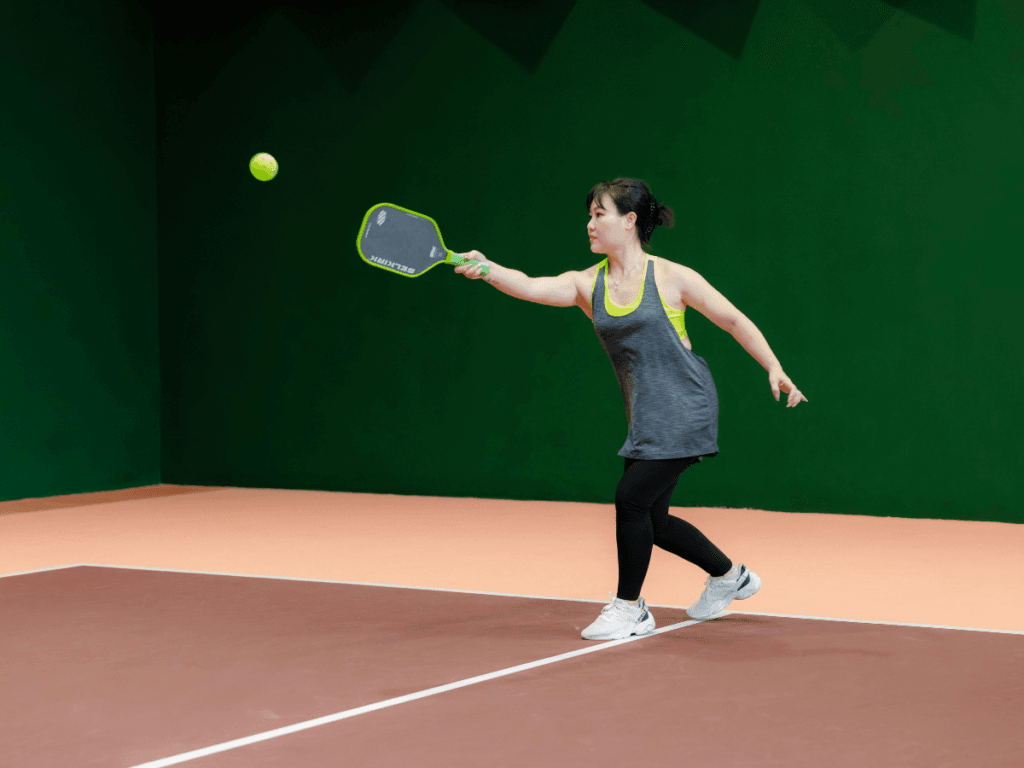
Strong dinking skills are not just about paddle control. Footwork plays an equally important role in maintaining balance, reaching the ball comfortably, and staying in position during long kitchen exchanges. Even players with solid touch can struggle if their movement is inconsistent or slow around the non-volley zone.
Good movement helps players stay controlled instead of reacting late or reaching awkwardly for shots. When footwork and paddle control work together, dinks become more accurate, controlled, and easier to place strategically.
That is why many experienced players treat movement training as an essential part of their dinking drills rather than a separate skill altogether.
How Can Footwork Exercises Boost Your Dinking Accuracy And Court Positioning?
Effective footwork exercises improve more than speed. They help players maintain balance while adjusting to changing shot angles and ball placement. In pickleball, small positioning adjustments often make the difference between a clean dink and a pop-up that gives your opponent an advantage.
One of the most valuable habits players can develop is staying light on their feet during kitchen exchanges. Rather than planting themselves in one spot, strong players make constant small adjustments to stay centered behind the ball. This creates cleaner contact and better control during soft rallies.
Incorporating movement into dinking drills also trains players to recover quickly after each shot. Instead of admiring the previous shot or leaning too far in one direction, players learn to return to a balanced position immediately.
This recovery movement becomes especially important during fast-paced kitchen exchanges where reaction time matters. Lateral movement drills are particularly effective because they mirror real gameplay.
Players practice sliding side to side while maintaining a low athletic stance, which improves stability and control under pressure.
What Footwork Techniques Support Optimal Kitchen Zone Movement?
Several footwork techniques help players move efficiently at the kitchen line without losing balance or control. One of the most important is the split step, which prepares the body to react quickly as the opponent makes contact with the ball.
The split step is a small hop that keeps players ready to move in any direction. Timing this movement properly helps improve reaction speed and prevents players from getting caught flat-footed during rallies.
Lateral shuffling is another key technique commonly used in dinking drills. Instead of crossing the feet while moving sideways, players shuffle in short, controlled steps to stay balanced and square to the net. This movement pattern helps maintain stability while covering more of the court.
Returning to a ready position after every shot is equally important. Many errors happen because players remain stretched too far after hitting a dink and fail to recover quickly enough for the next ball. Resetting to a neutral athletic stance allows for smoother movement and better anticipation.
Players should also focus on staying low throughout kitchen exchanges. Bent knees and a stable base make it easier to absorb incoming shots and maintain soft control during delicate dinks.
How Do Footwork Drills Improve Reaction Time And Shot Placement?
Footwork drills improve reaction time by training the body to move automatically instead of hesitating during rallies. The faster a player can adjust positioning, the easier it becomes to execute controlled dinks from a balanced stance.
Reaction-based dinking drills are especially useful because they combine movement with shot execution. In these drills, players respond to varying ball placements while maintaining soft touch and proper positioning. This builds coordination between the feet, body, and paddle.
Cone drills are another effective training method. Players move between designated spots near the kitchen line while practicing controlled dinks or resets. These exercises improve agility while reinforcing efficient court coverage.
Better footwork also improves shot placement because players are able to contact the ball from a more stable position. Reaching while off balance often causes inconsistent angles and unnecessary errors. Proper positioning gives players greater control over depth, spin, and direction.
Many advanced players rely on movement efficiency rather than raw speed. Controlled, economical movement helps conserve energy while still maintaining strong court coverage throughout longer matches.
How Does Poor Footwork Undermine Dinking Success?
Poor footwork can quietly affect nearly every aspect of the soft game. Players who remain flat-footed often react too slowly and compensate by reaching with their arms instead of moving properly into position.
Crossing the feet during quick lateral movement can also create balance problems, especially during fast kitchen exchanges. This makes recovery slower and increases the chance of mishits.
Another common issue occurs when players drift too close to the non-volley zone line after hitting a shot. Poor spacing limits reaction time and makes it harder to handle low or angled returns effectively.
Many players focus heavily on paddle technique while overlooking movement fundamentals. However, consistent dinking drills that include proper footwork training can dramatically improve control, positioning, and overall confidence at the kitchen line.
Shot Placement And Strategy
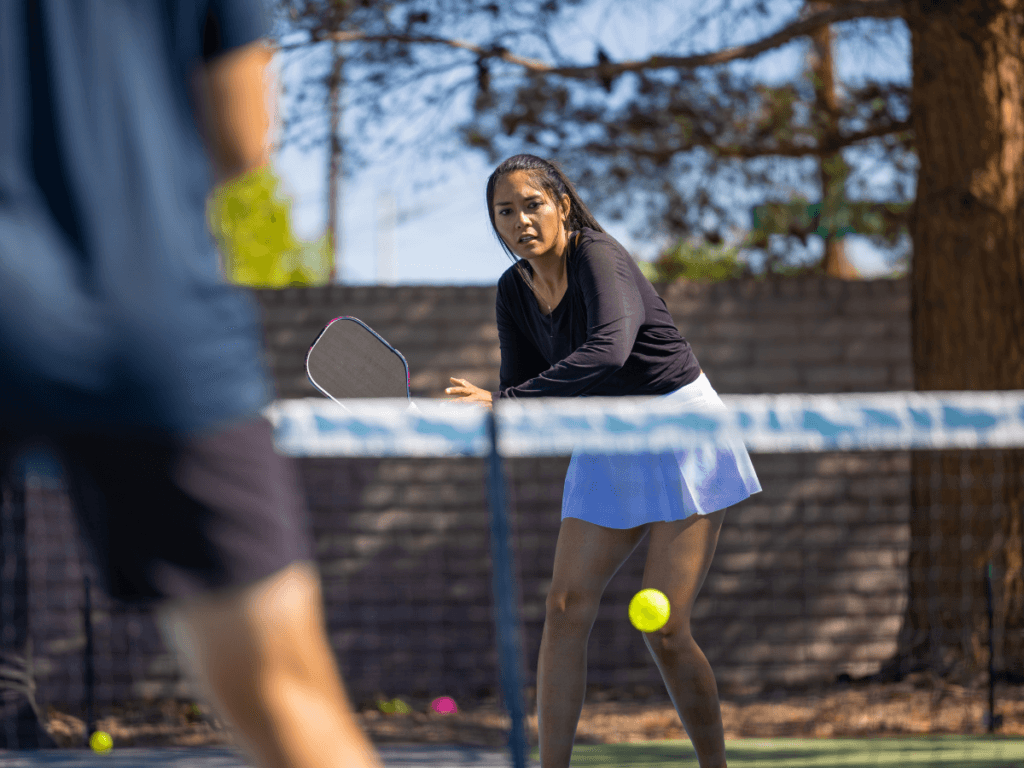
Strong dinking is not just about keeping the ball in play. The most effective players use placement, patience, and control to create pressure without relying on power. Smart shot selection forces opponents into uncomfortable positions and opens opportunities to win points gradually rather than rushing attacks.
Many players focus heavily on technique during dinking drills, but strategy matters just as much. Learning where to place the ball, how to move your opponent, and when to change direction can turn a neutral rally into an advantage.
Over time, intentional placement becomes one of the biggest differences between recreational and advanced players.
Which Shot Placement Strategies Maximize Effectiveness In The Dinking Game?
The best shot placement strategies in pickleball are designed to create difficult returns rather than outright winners. Consistent, well-placed dinks force opponents to move, stretch, and hit from awkward positions near the kitchen line.
One effective strategy is to keep the ball low and close to the net. A low bounce limits attacking opportunities and makes it harder for opponents to speed the ball up aggressively. Players who can consistently control height during dinking exchanges often gain the upper hand during long rallies.
Changing direction is another valuable tactic. Repeatedly sending dinks to the same spot allows opponents to settle into a rhythm. Mixing cross-court and straight-on placements forces more movement and keeps opponents guessing.
Targeting a player’s backhand side is also common during competitive play. Many players have less control and reach on their backhand, especially during soft kitchen exchanges. Including these scenarios in dinking drills can help players become more comfortable recognizing and exploiting weak areas during matches.
Depth matters as well. Short dinks can pull opponents forward, while deeper dinks near the kitchen line force them to hit from a less comfortable position. Alternating depth strategically helps disrupt timing and movement.
How To Identify Optimal Target Zones Within The Kitchen?
Understanding target zones is essential for improving shot selection during kitchen rallies. The most effective targets are usually areas that create hesitation, force awkward movement, or reduce offensive options for your opponent.
The corners of the kitchen are often strong targets because they require players to stretch laterally while maintaining balance. Hitting accurate cross-court dinks into these areas increases the chance of weak returns or positioning mistakes.
Another useful target zone is directly at the opponent’s feet. Low shots near the feet are difficult to attack cleanly and can create pop-ups that become easier to finish on the next shot.
Players should also pay attention to movement patterns during rallies. Some opponents struggle when forced to move side to side repeatedly, while others have trouble transitioning forward. Practicing targeted placement during dinking drills helps players recognize these tendencies more quickly during matches.
Spacing is equally important. Shots that land too high or too deep often give opponents opportunities to attack. The goal is to keep the ball low, controlled, and difficult to counter aggressively.
What Are Common Mistakes In Shot Placement And How To Avoid Them?
Many shot placement errors come from trying to force offense too early in the rally. Overhitting is one of the most common mistakes players make during kitchen exchanges. Instead of using controlled placement, players attempt to win points immediately and end up sending the ball too high or too deep.
Poor paddle positioning can also lead to inconsistent placement. Holding the paddle too low or swinging too aggressively reduces control and makes soft touch shots harder to execute consistently.
Another frequent mistake is becoming predictable. Repeating the same shot pattern allows opponents to anticipate placement and respond more comfortably. Mixing direction, pace, and depth creates more pressure and keeps rallies less predictable.
Practicing with targets during dinking drills is one of the best ways to improve placement accuracy. Players can place cones or markers in different areas of the kitchen and focus on controlled placement rather than speed. This develops precision while reinforcing patience and consistency.
What Are The Top Common Mistakes In Dinking And How Can Drills Help Correct Them?
Several common mistakes consistently affect dinking performance, especially among developing players. Overhitting, excessive wrist movement, poor footwork, and rushed decision-making all contribute to unnecessary errors near the kitchen line.
One major issue is hitting with too much wrist action. This often creates inconsistent ball height and reduces control. Players usually see better results when using compact swings and steady paddle movement instead of flicking at the ball.
Standing too upright can also affect consistency. Good dinking requires a stable athletic stance with bent knees and balanced movement. Footwork-focused dinking drills help players stay lower and recover more efficiently between shots.
Reaction drills, target drills, and controlled partner rallies are all effective ways to correct these habits. Structured practice allows players to slow the game down, focus on specific weaknesses, and gradually build more reliable kitchen play over time.
Trends, Studies, And Skill Development Resources
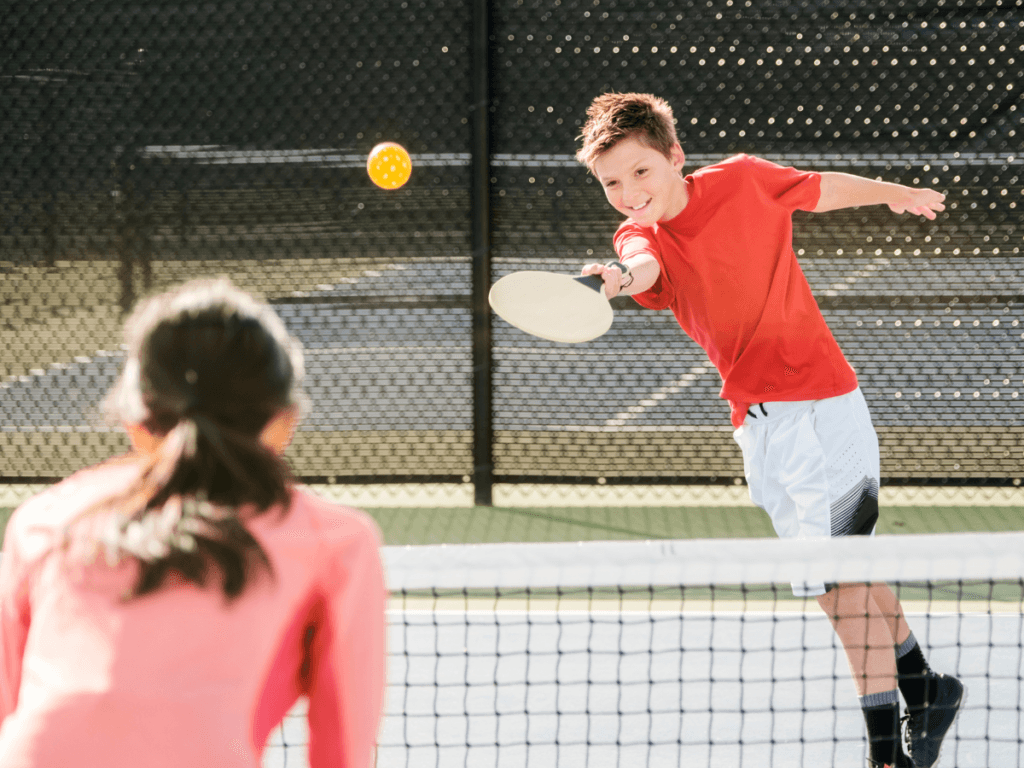
As pickleball continues to grow across all age groups and skill levels, players are placing more attention on the soft game.
While power and speed still matter, many competitive matches are decided at the kitchen line, where control, patience, and consistency become critical. Because of this shift, dinking drills have become a major focus in training programs, clinics, and online instruction.
Players are no longer treating dinking as a secondary skill. Instead, many coaches now view soft touch training as one of the most important areas for long-term improvement. This growing emphasis has led to better practice methods, improved training tools, and more resources dedicated specifically to the short game.
What Are The Latest Trends And Statistics Supporting Soft Game Pickleball Training?
One of the biggest trends in pickleball training is the increased focus on control over power. As more players compete at higher levels, extended kitchen rallies have become more common, making soft game consistency essential for success.
Coaches are increasingly incorporating structured dinking drills into lessons rather than treating them as simple warm-ups. Many training programs now include targeted exercises for placement, reset shots, reaction speed, and kitchen movement.
Another noticeable trend is the use of analytics and video review during practice. Players often record rallies to study paddle positioning, footwork, and shot selection. This allows for more detailed feedback and faster skill development.
Training sessions are also becoming more game-specific. Instead of isolated repetitions, players frequently practice realistic kitchen scenarios that mimic actual match pressure. These drills help improve decision-making while reinforcing consistency during fast exchanges.
The rapid growth of pickleball participation has also expanded access to coaching and training resources. From beginner clinics to advanced online programs, players now have far more opportunities to improve their soft game than in previous years.
How Has Pickleball Participation Growth Influenced Dinking Drill Development?
As participation has increased, coaches and instructors have adapted their teaching methods to accommodate players with different goals and experience levels. Recreational players often want drills that improve consistency and confidence, while competitive players focus more heavily on strategy and precision.
This demand has led to a wider variety of dinking drills designed for specific skill development. Some drills focus on accuracy and placement, while others emphasize reaction time, movement, or transition play near the kitchen line.
Group clinics have also changed how drills are structured. Many coaches now use progressive drills that build from simple control exercises into live competitive scenarios. This approach helps players develop technique before applying it under pressure.
Technology has also influenced modern drill design. Ball machines, training apps, and video tutorials allow players to practice more independently while still receiving feedback. As the sport continues to grow, training methods are becoming more refined and accessible.
What Recent Studies Validate The Effectiveness Of Soft Touch Drills?
Recent research and coaching analysis continue to support the value of consistent soft game training. Studies focused on racket and paddle sports show that controlled repetition improves coordination, touch, reaction time, and shot accuracy over time.
Soft touch drills are especially effective because they train precision rather than raw force. Repetitive kitchen practice helps players develop better paddle awareness and more reliable ball control during competitive rallies.
Research also suggests that consistency-based practice improves confidence under pressure. Players who regularly perform structured dinking drills often react more calmly during long kitchen exchanges because the movement patterns become familiar and automatic.
Coaches commonly observe that players who dedicate time to soft game development improve overall match performance more quickly than players who focus only on aggressive shots.
Where Can Players Find Recommended Resources And Equipment For Dinking Practice?
Players looking to improve their dinking skills now have access to a wide range of resources. Online tutorials, coaching channels, and training communities provide step-by-step instruction for players at nearly every level.
Video platforms offer detailed demonstrations covering paddle grip, kitchen positioning, placement strategy, and movement techniques. Many instructors also break down common mistakes and provide corrective drills that players can practice at home or on the court.
Local pickleball clubs and recreational leagues can also be valuable learning environments. Practicing regularly with experienced players often leads to faster improvement because players receive immediate feedback during live play.
When it comes to equipment, paddles designed for control are usually preferred for soft game practice. Lightweight paddles with balanced grip sizes often provide better touch and responsiveness during kitchen rallies.
Ultimately, the most effective approach combines quality instruction, consistent practice, and purposeful dinking drills that focus on both technique and real-game application.
Conclusion
Mastering the dink is the true secret to controlling the pace of any pickleball match—transforming defense into offense and frustrating opponents who thrive on power. The drills that build this skill, like cross-court dinking and the “Two-Bounce” reset, are most effective when practiced in a facility designed for serious play.
At Planet Pickle in Suwanee, you can put those repetition drills to work on 12 climate-controlled, dedicated courts with permanent nets and pro-level amenities.
Whether you are a beginner refining your soft game or an advanced player preparing for tournament season, our facilities and programs are here to help you compete with control and consistency.
Ready to make your dinking deadly and your strategy unstoppable? Call 678-404-5792 today to book a court, join a league, or explore our full range of amenities. Perfect your soft game at Planet Pickle—where champions are made, one dink at a time.