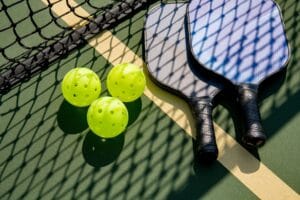

Your paddle takes a beating every time you step on the court. Repeated impacts, surface wear, and exposure to heat or moisture can slowly affect performance without you noticing right away. Knowing how to extend your pickleball paddle’s life with proper care and maintenance can help you preserve control, consistency, and feel over time.
Small habits make a difference. How you store your paddle, clean the surface, and protect the edge guard all contribute to how long it performs at its best. Ignoring these details can lead to dead spots, reduced grip, or premature damage.
With a few simple maintenance steps, you can keep your paddle in better condition, avoid unnecessary replacements, and stay confident in your game every time you play.
How Do Proper Cleaning Techniques Enhance Pickleball Paddle Durability?
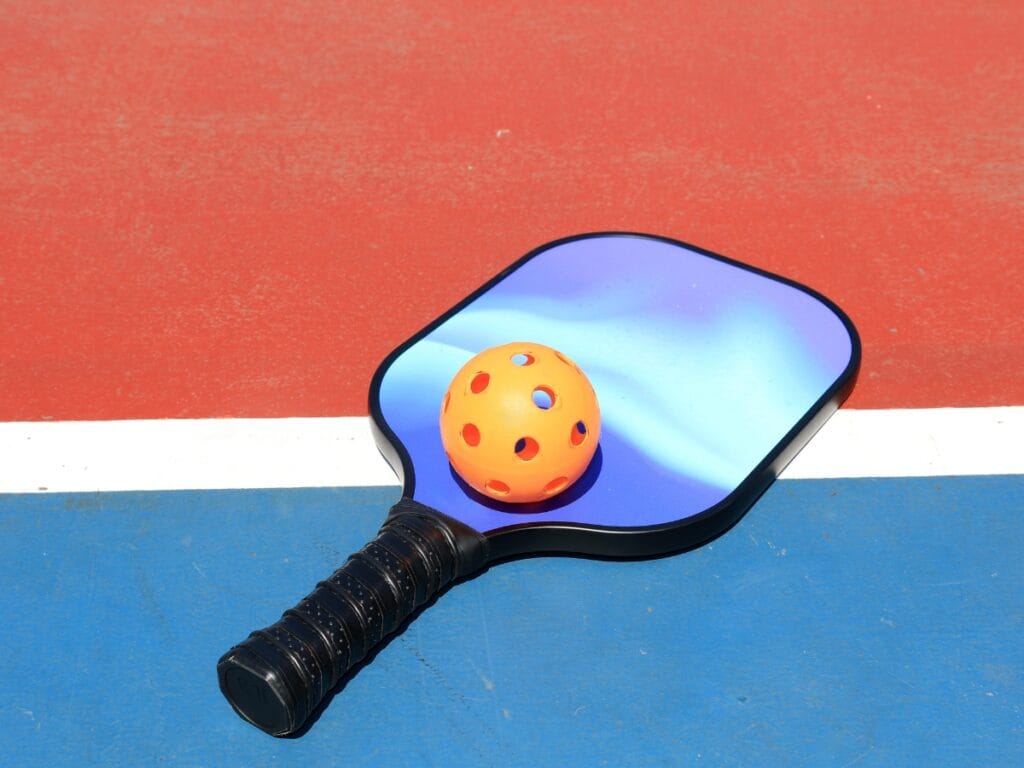
Taking care of your paddle starts with consistent cleaning. Paddle care is not just about keeping it looking good. It plays a direct role in how the paddle performs and how long it lasts.
Over time, sweat, dust, and small debris can build up on the surface. That buildup can affect spin, control, and even the feel of each shot.
Regular cleaning helps maintain the surface texture and prevents gradual wear. When you keep the paddle clean, you are also protecting the materials from breaking down too quickly.
This is especially important for players who use their paddles frequently, since even small amounts of residue can accumulate faster than expected.
Good paddle care also improves consistency during play. A clean surface allows the ball to respond more predictably, which can make a noticeable difference in both control and confidence on the court.
What Are The Best Methods For Cleaning Pickleball Paddle Surfaces
Cleaning your paddle does not need to be complicated. In most cases, a simple routine is enough to keep it in good condition. The key is to be gentle and consistent rather than aggressive or occasional.
Start by wiping the surface with a slightly damp cloth after playing. This helps remove sweat and dirt before they settle into the texture of the paddle. A soft cloth works best because it will not scratch or wear down the surface.
If there is more noticeable buildup, you can use a mild soap mixed with water. Apply it lightly and wipe it away without soaking the paddle. Too much moisture can affect the internal materials, so it is important to keep the cleaning process controlled.
For best results, make cleaning part of your regular routine. Many players find that a quick wipe after each session is enough, while a more thorough cleaning once a week helps maintain performance over time. This simple habit goes a long way in effective paddle care.
Which Cleaning Products And Tools Are Safe For Paddle Materials
Choosing the right tools is just as important as the cleaning method itself. Paddle care depends on using materials that clean effectively without causing damage.
Microfiber cloths are a reliable choice because they pick up dirt without scratching the surface. They are soft enough for regular use and durable enough to last through repeated cleanings. A basic cloth dampened with water is often all you need for everyday maintenance.
When a deeper clean is necessary, a mild soap solution works well. It helps break down oils and residue without affecting the paddle’s finish. The goal is to clean without stripping away the surface texture that contributes to performance.
It is equally important to avoid harsh products. Abrasive cleaners, strong chemicals, and rough materials can damage the paddle and shorten its lifespan. Even occasional use of these products can lead to small surface changes that affect how the paddle feels during play.
Building A Simple Paddle Care Routine
The most effective approach to paddle care is consistency. A quick clean after each use, combined with occasional deeper maintenance, keeps your paddle in good condition without much effort.
By paying attention to cleaning techniques and using the right tools, you can extend the life of your paddle and maintain its performance. Over time, these small habits make a noticeable difference, helping you get the most out of your equipment every time you step onto the court.
What Are Effective Grip Maintenance And Replacement Practices?
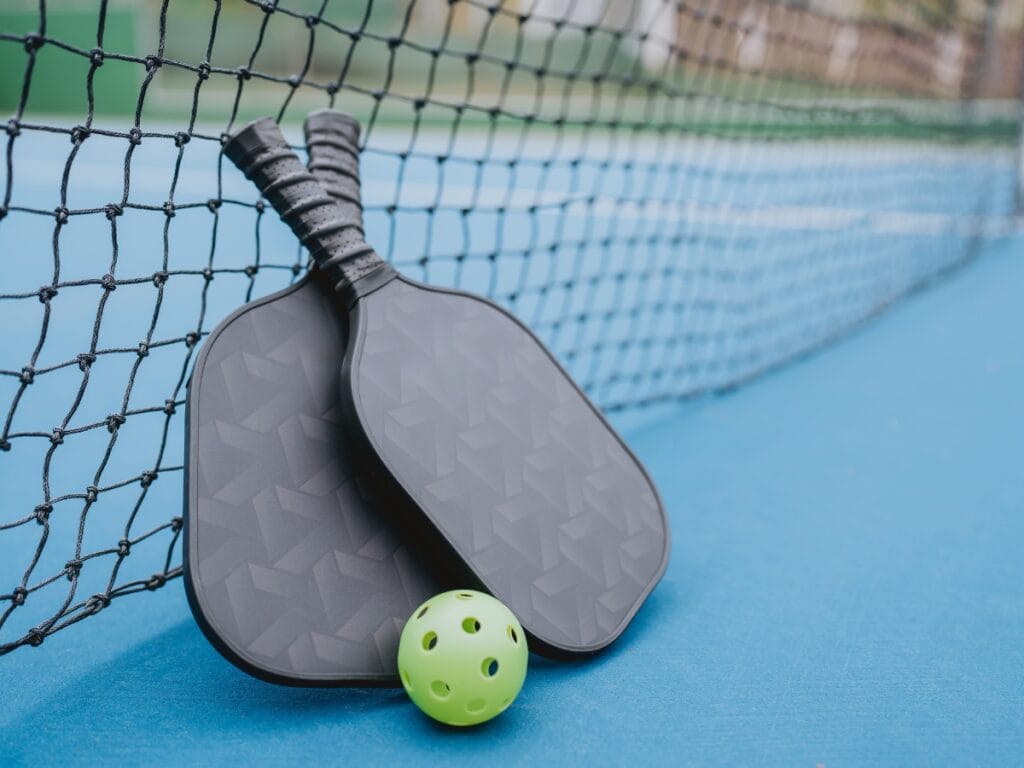
Grip condition has a direct impact on how your paddle feels during play. While surface cleaning is important, paddle care should also include regular attention to the handle. A worn or slippery grip can affect control, timing, and overall comfort, especially during longer sessions.
Over time, sweat and repeated use break down the grip material. Even if the paddle itself is still in good shape, the handle can become less reliable. Keeping the grip clean and replacing it when needed helps maintain a consistent feel and reduces the chance of slipping mid-game.
Building a simple routine around grip care is one of the easiest ways to improve both performance and durability without changing equipment.
How Can You Clean And Preserve Your Paddle Grip
Cleaning the grip is a small step that makes a noticeable difference. Sweat and oils from your hands can build up quickly, especially if you play often. Without regular cleaning, that buildup can make the grip feel slick and less responsive.
A damp cloth is usually enough for everyday maintenance. Wiping down the handle after playing helps remove surface residue before it settles into the material. This quick habit supports overall paddle care and keeps the grip feeling fresh between games.
For deeper cleaning, mild grip-specific solutions can help restore texture. These are designed to clean without drying out the material, which is important for maintaining both comfort and durability. Using harsh cleaners or soaking the grip can cause damage, so it is best to keep the process simple and controlled.
Consistency matters more than intensity. Light, regular cleaning works better than occasional heavy cleaning. Over time, this approach helps preserve the grip’s feel and extends how long it remains usable.
When And How Should You Replace A Worn Pickleball Paddle Grip
Even with proper paddle care, grips do not last forever. Knowing when to replace one can prevent small issues from affecting your game. The signs are usually easy to spot once you know what to look for.
You may notice that the surface looks worn or starts to feel smooth instead of slightly tacky. In some cases, the edges may begin to fray or loosen. When the grip no longer provides a secure hold, it is time for a replacement.
Replacing a grip is a straightforward process, but doing it carefully helps ensure the best result. The basic steps include:
- Remove the old grip slowly to avoid leaving residue on the handle
- Clean the handle surface so the new grip adheres properly
- Wrap the new grip evenly from the base upward, keeping tension consistent
- Secure the end so it stays in place during use
Taking a few extra moments to apply the new grip properly can improve how it feels right away and how long it lasts.
Why Grip Care Matters for Long-Term Performance
Grip maintenance is often overlooked, but it plays a key role in how a paddle performs over time. A clean, well-maintained grip allows for better control and reduces unnecessary strain on your hand and wrist.
Including grip upkeep in your paddle care routine also helps protect the paddle itself. When your grip is secure, you are less likely to adjust your hold constantly, which leads to more consistent play.
By keeping the handle in good condition and replacing it when needed, you can maintain comfort, improve control, and get more value from your equipment without making major changes.
What Are Recommended Storage And Transport Tips To Protect Your Paddle?
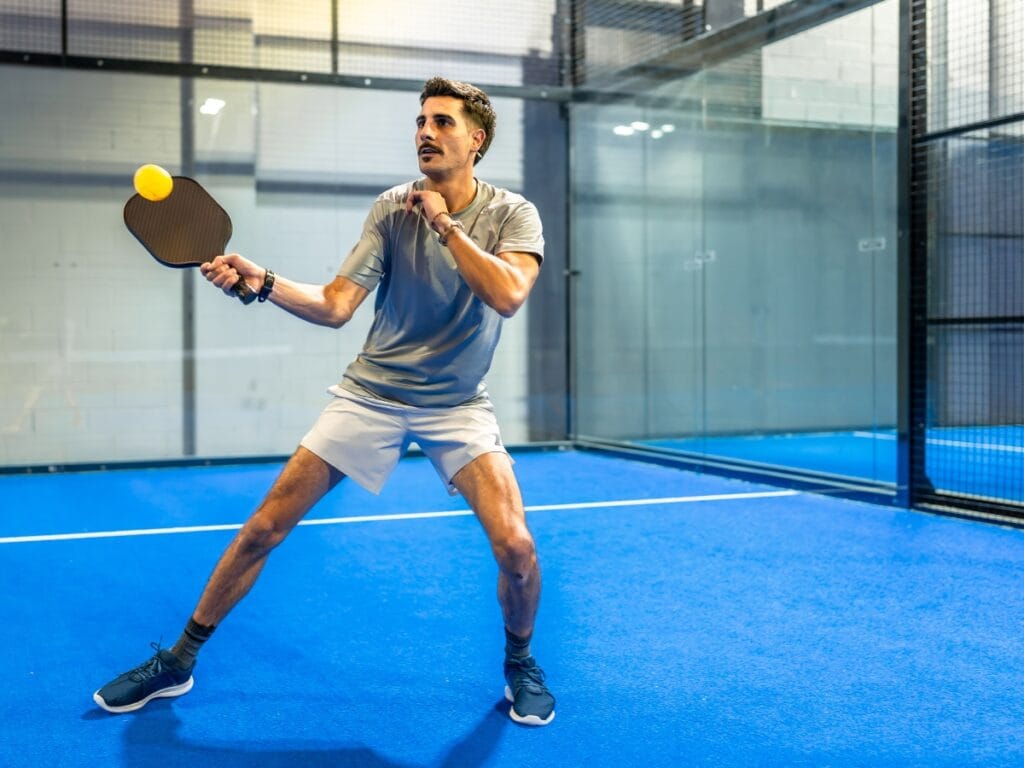
Taking care of your paddle does not stop after a game ends. Paddle care also includes how you store and transport it between sessions. Small habits in these areas can make a big difference in how long your paddle lasts and how well it performs over time.
Pickleball paddles are built with materials that respond to heat, moisture, and pressure. If they are exposed to the wrong conditions, even briefly, it can affect their structure.
Warping, surface wear, and grip damage often happen gradually, which is why proper handling outside of play is just as important as maintenance on the court.
How Should You Store Your Pickleball Paddle To Prevent Damage
Storing your paddle properly is one of the easiest ways to protect it. A consistent storage routine helps prevent avoidable wear and keeps the paddle ready for use whenever you need it.
A protective cover is a simple but effective first step. It helps shield the surface from dust and minor scratches that can build up over time. Even if your paddle looks durable, repeated exposure to small abrasions can affect how it feels during play.
Temperature also matters. Leaving a paddle in a hot car or near direct sunlight can weaken adhesives and internal materials. Cold environments can have a similar effect by making materials more brittle. For reliable paddle care, it is best to store your paddle in a space that stays cool and dry throughout the day.
Choosing a stable storage spot is another detail that is easy to overlook. Keeping your paddle in a place where it will not be knocked over or pressed under other items helps maintain its shape. Over time, avoiding unnecessary pressure can prevent subtle changes that impact performance.
What Are The Best Practices For Transporting Your Paddle Safely
Transporting your paddle may seem straightforward, but how you carry it can affect its condition just as much as how you store it. Movement during travel, especially in a crowded bag or vehicle, can lead to accidental damage.
Using a padded case adds an extra layer of protection. It reduces the impact of bumps and keeps the paddle from shifting around too much. This is especially helpful if you travel frequently or carry multiple pieces of equipment together.
It also helps to be mindful when placing your paddle in a bag. Avoid stacking heavy items on top of it or bending it to fit into tight spaces. Even slight pressure applied repeatedly can affect the paddle’s structure over time.
If you are traveling by car, try to keep the paddle in a secure position where it will not slide or fall. Consistent movement during a drive may not seem significant at first, but it can contribute to wear if it happens often. Paying attention to these small details supports better paddle care and helps maintain long-term durability.
Building Better Paddle Care Habits
Storage and transport are often overlooked, but they play a key role in maintaining your equipment. By keeping your paddle protected when it is not in use, you reduce the chances of damage that cannot be easily repaired.
Simple steps such as using a cover, avoiding extreme temperatures, and handling your paddle carefully during travel can extend its lifespan. When combined with regular cleaning and grip maintenance, these habits create a well-rounded paddle care routine that supports both performance and reliability over time.
How Can You Prevent And Repair Common Pickleball Paddle Damages?
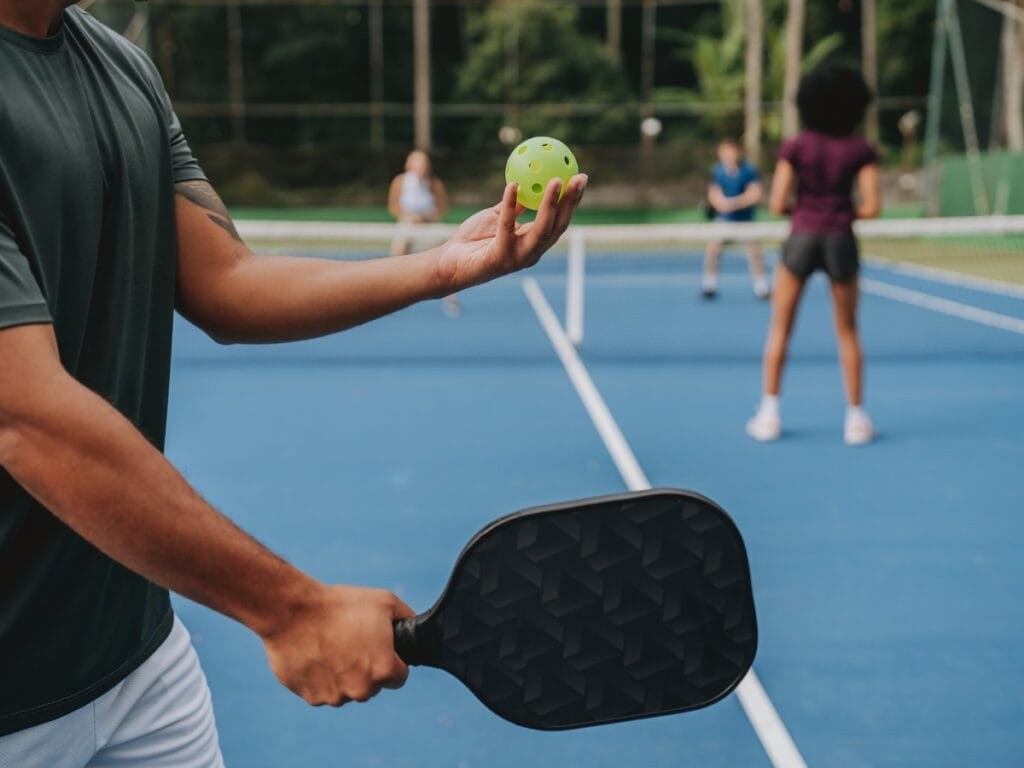
Keeping your paddle in good condition comes down to awareness and consistency. Paddle care is not just about cleaning and storage, it also involves understanding how damage happens and what you can do to prevent it. Most issues develop gradually, often from small habits that go unnoticed during regular play.
By paying attention to how you handle your paddle on and off the court, you can avoid many common problems. When damage does occur, knowing what can be repaired and what cannot helps you make better decisions about maintaining your equipment.
What Are Common Types Of Paddle Damage And How To Avoid Them
Several types of damage show up more often than others, and most are tied to everyday use. Surface scratches are one of the most common issues. These usually happen when the paddle comes into contact with rough ground or hard surfaces.
While minor marks may not affect performance right away, repeated contact can wear down the surface over time. Avoiding unnecessary contact with the ground is a simple way to support long-term paddle care.
Cracks are more serious and often develop from impact or exposure to extreme conditions. Dropping the paddle or leaving it in a hot car can weaken the structure, even if the damage is not immediately visible. Keeping your paddle in a stable environment and handling it carefully during play can reduce the risk of this type of damage.
Grip wear is another issue that builds gradually. Frequent use, combined with sweat and friction, causes the grip to lose its texture.
While this is a normal part of use, regular maintenance and timely replacement help prevent it from affecting your control. Including grip upkeep in your paddle care routine helps maintain both comfort and performance.
What Repair Options Are Available For Damaged Pickleball Paddles
Not all damage requires replacing your paddle right away. In some cases, small issues can be managed with basic repairs, while more serious problems may need professional attention.
For minor surface marks, gentle cleaning and light polishing can improve the appearance and maintain the feel of the paddle. It is important to be careful with this approach, since using the wrong materials can cause additional wear instead of helping.
When damage affects the structure of the paddle, such as cracks or internal weakness, professional evaluation is usually the better option. Specialists can determine whether the paddle is still safe to use or if the damage will continue to worsen over time. This kind of assessment is especially helpful when you want to protect your investment and avoid further issues.
Cost is another factor to consider. In some situations, the price of repair may be close to the cost of a replacement. Weighing these options helps you decide whether it makes more sense to repair or move on to a new paddle. Good paddle care includes knowing when repair is practical and when replacement is the more reliable choice.
Building A Preventative Paddle Care Routine
Prevention is always easier than repair. Simple habits such as avoiding rough surfaces, storing your paddle properly, and cleaning it regularly go a long way in reducing damage. These steps may seem small, but they add up over time.
By staying consistent with paddle care, you can extend the life of your equipment and maintain a more reliable playing experience. When you combine careful handling with timely maintenance, your paddle is more likely to perform the way you expect every time you step onto the court.
What Are The Signs Indicating You Need A New Pickleball Paddle?
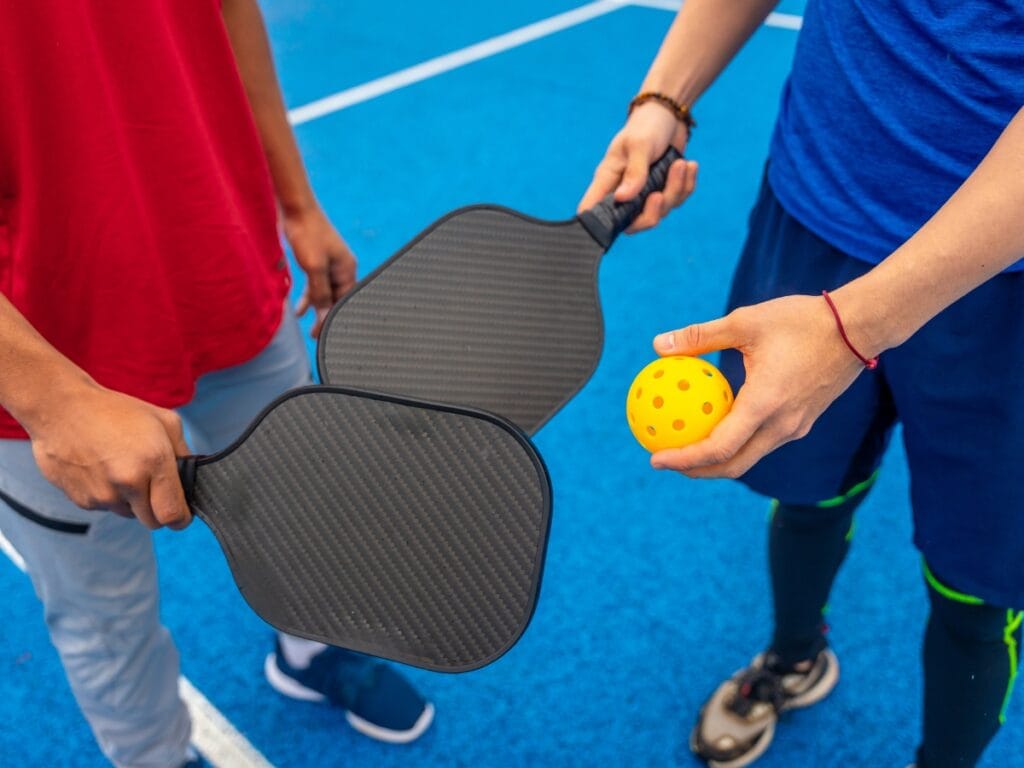
Even with consistent paddle care, every paddle reaches a point where performance begins to decline. Recognizing that moment is important if you want to maintain control, consistency, and comfort during play. While some wear is expected, certain signs indicate that your paddle is no longer performing the way it should.
Paying attention to these changes allows you to replace your paddle at the right time, rather than waiting until performance drops significantly. A well-maintained paddle lasts longer, but paddle care also includes knowing when it is time to move on.
How To Assess Paddle Lifespan And Performance Decline
The first step in evaluating your paddle is to look for visible wear. Small surface marks are normal, but deeper cracks, chips, or uneven areas can affect how the ball reacts on contact. These issues tend to develop gradually, which is why regular inspection is an important part of paddle care.
Performance changes are often more noticeable than physical damage. If your shots feel less responsive or you notice a drop in control, the paddle may be losing its structure. This can happen as the internal core wears down or the surface texture becomes smoother over time.
Another factor to consider is how the paddle feels in your hand. A grip that no longer provides a secure hold or a handle that feels different than it used to can affect your confidence during play. While grips can be replaced, a combination of grip wear and performance decline may point to a larger issue.
Age also plays a role, even if the paddle appears to be in decent condition. Materials naturally break down with use, and repeated impact over time reduces the paddle’s ability to perform consistently. Including these checks in your paddle care routine helps you stay ahead of performance issues rather than reacting to them later.
When Is Replacement More Cost-Effective Than Repair
Deciding whether to repair or replace your paddle often comes down to practicality. Minor issues such as grip wear or light surface buildup can be addressed with simple maintenance. However, structural problems are harder to fix and may not deliver reliable results even after repair.
Cost is one of the main factors to consider. If repairing the paddle requires significant time or expense, it may not be worth the investment. In many cases, replacing the paddle provides better value, especially when you factor in improved performance and durability.
It is also important to think about your playing needs. If your current paddle no longer supports your style of play or feels inconsistent during matches, upgrading can make a noticeable difference. Newer paddles often feature updated materials and construction that improve control and responsiveness.
Balancing these considerations is part of effective paddle care. It is not just about extending the life of your equipment, but also about ensuring it continues to meet your expectations.
Making A Smart Transition To A New Paddle
Replacing a paddle does not have to be a difficult decision when you understand the signs. Regular inspection, attention to performance, and honest evaluation of repair options all help guide the process.
By staying consistent with paddle care and recognizing when your equipment has reached its limit, you can maintain a more reliable and enjoyable playing experience.
Conclusion
Taking proper care of your pickleball paddle not only extends its lifespan but also ensures consistent performance and feel every time you step on the court.
Simple habits—like cleaning the surface after play, storing it away from extreme temperatures, and inspecting the edge guard for wear—can make a significant difference in how your paddle performs over time.
When you’re ready to put that well-maintained paddle to use in a premier playing environment, choose Planet Pickle. Ready to play at your best? Call 678-404-5792 today to book court time, join a program, or explore our full range of amenities. Your paddle—and your game—deserve the best.