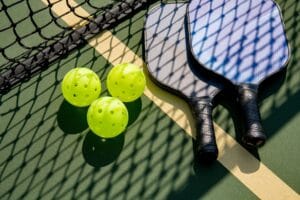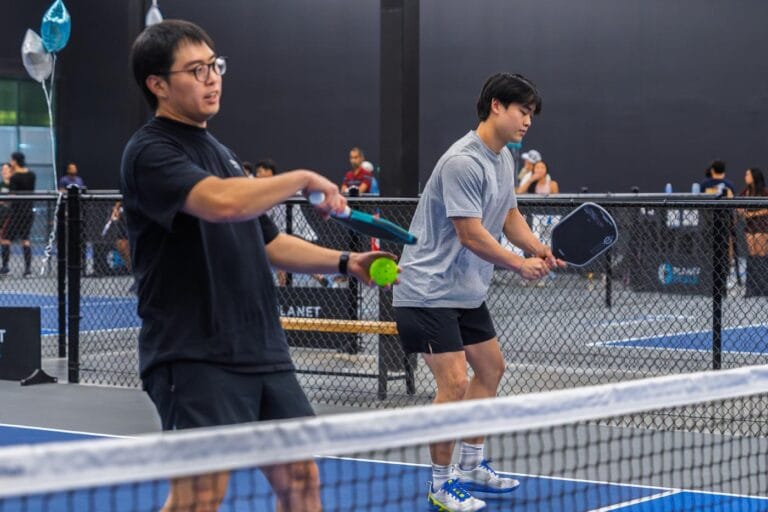

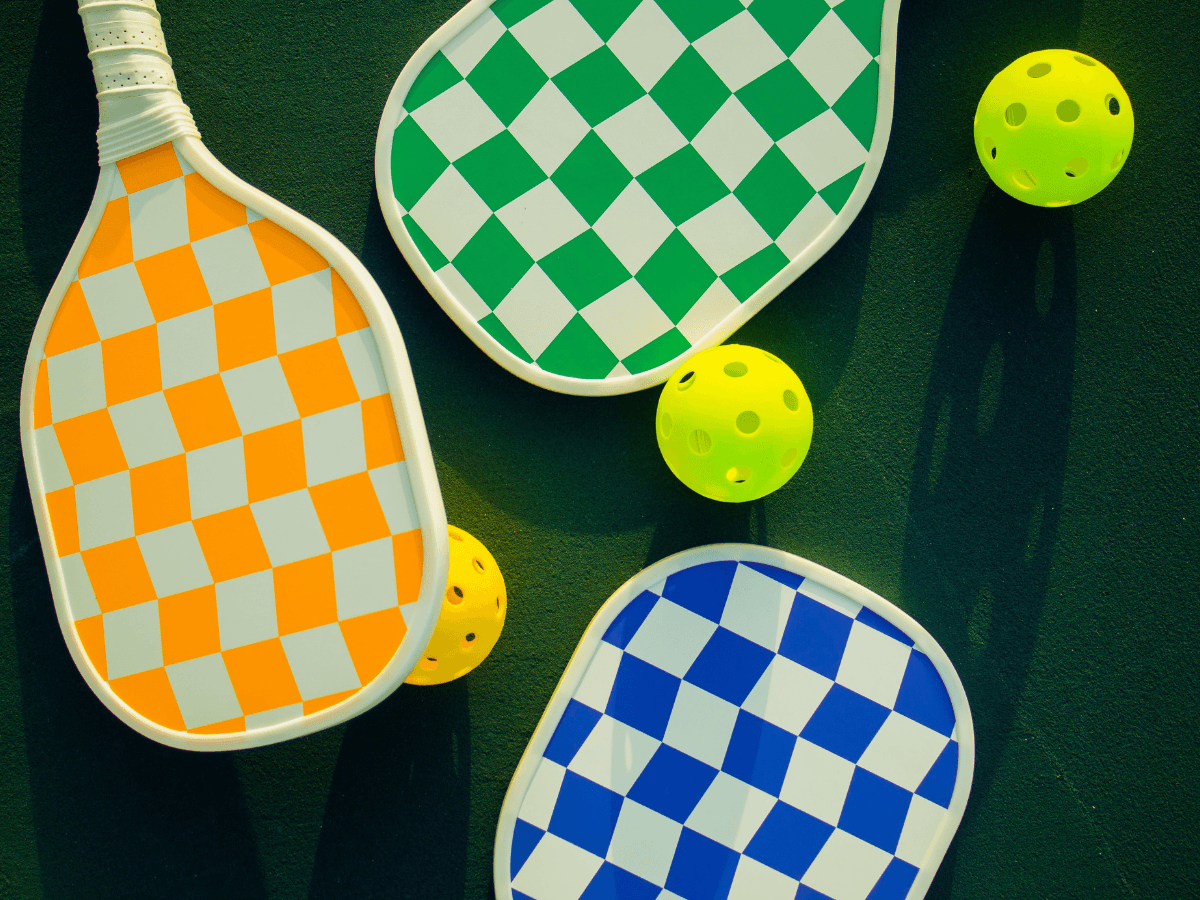
Starting pickleball is a lot more enjoyable when you’re using equipment that matches your skill level. The wrong paddle can make it harder to control shots, build consistency, or feel comfortable on the court.
For new players, choosing the right paddle is one of the easiest ways to improve the learning experience from the start. The best beginner paddles for new pickleball players are designed to balance control, comfort, and forgiveness.
Weight, grip size, paddle shape, and core material all affect how the paddle feels and performs during play. A beginner-friendly option can help you develop proper technique while building confidence with each game.
With the right paddle in hand, new players can focus less on equipment frustration and more on learning the game and enjoying time on the court.
Key Features To Look For In Beginner Pickleball Paddles
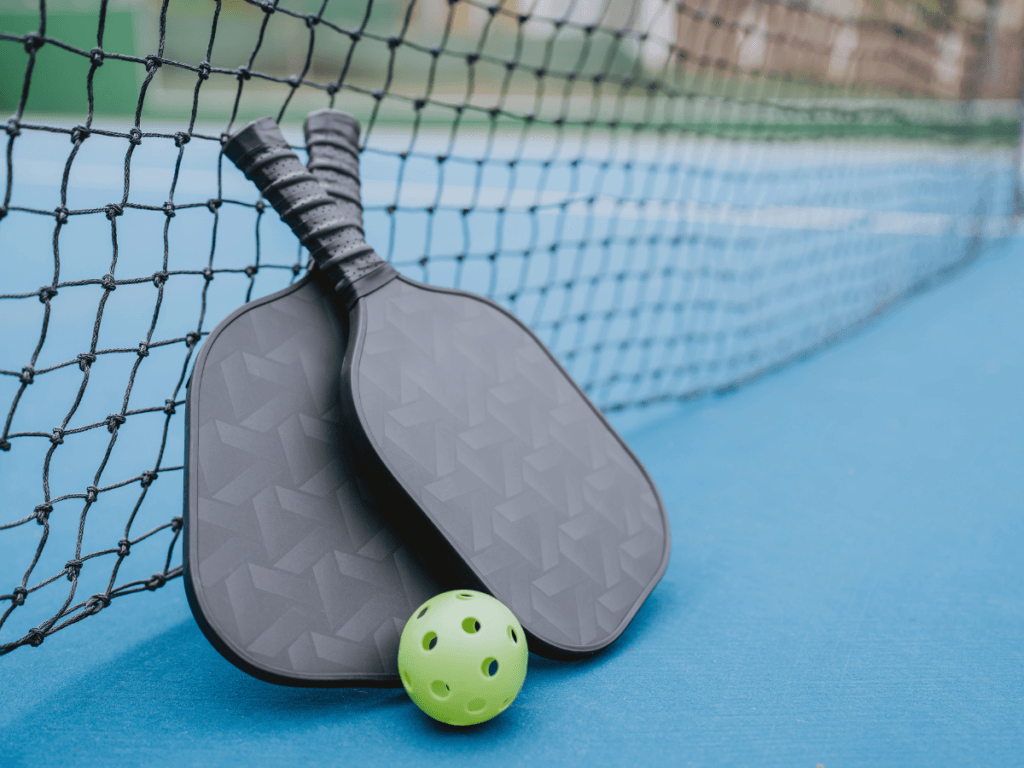
Choosing the right paddle can make a big difference when learning the game. Many new players focus only on appearance or price, but the design and feel of the paddle can directly affect comfort, control, and confidence on the court.
A good set of beginner paddles should help players develop proper technique while still being forgiving enough to support learning.
Several features are especially important for beginners, including paddle weight, grip size, and material construction. Understanding how each of these elements affects gameplay can make it much easier to choose a paddle that matches your skill level and playing style.
Why Paddle Weight Matters
Weight is one of the first things most players notice when holding a paddle. Beginner paddles are often designed to balance control and power without feeling too heavy during longer games.
Lightweight paddles are popular among newer players because they are easier to maneuver. They allow for quicker reaction times at the net and help reduce strain on the wrist and shoulder. This can be especially helpful for players still learning positioning and swing mechanics.
Heavier paddles, on the other hand, generate more power with less effort behind each shot. However, they can feel more difficult to control for beginners who are still developing consistency. Many players find that a midweight option provides the best balance between stability and maneuverability.
A comfortable paddle weight also helps reduce fatigue, which can improve overall performance during practice sessions and recreational matches.
How Grip Size Affects Comfort And Control
Grip size is another important factor that is sometimes overlooked by first-time players. A paddle that feels uncomfortable in your hand can make it harder to maintain control and may even contribute to soreness or strain over time.
Most beginner paddles come in a range of grip sizes to accommodate different hand sizes. A grip that is too small may force players to squeeze tighter during play, while a grip that is too large can limit wrist movement and make quick adjustments more difficult.
The right grip should feel secure without requiring excessive pressure. Players should be able to hold the paddle comfortably while still maintaining flexibility and control during swings, volleys, and serves.
Many beginners benefit from testing a few different grip sizes before committing to a paddle. Even small adjustments can noticeably improve comfort during gameplay.
Why Paddle Materials Make A Difference
The materials used in beginner paddles influence everything from durability to shot feel. Different materials also affect how much control or power a player experiences on the court.
Wood paddles are typically the most affordable option and are often recommended for casual recreational use. They are durable but usually heavier than other paddle types, which may limit maneuverability for some beginners.
Composite paddles offer a balance of power and control and are commonly recommended for newer players who want a more versatile feel. These paddles often provide better responsiveness while remaining reasonably durable.
Graphite paddles are known for being lightweight and responsive. They tend to offer excellent control and quick handling, though they are often more expensive than entry-level wood options.
A quality social experience in pickleball often starts with feeling comfortable using your equipment, and the right paddle material can help beginners feel more confident while learning new skills.
How Beginner-Friendly Design Supports Learning
Many beginner paddles are intentionally designed with larger sweet spots. This means players can still make solid contact with the ball even if their swing is not perfectly centered. Larger sweet spots help reduce frustration and make rallies easier for newer players.
Edge guards are another useful feature because they help protect the paddle from accidental damage during play. Since beginners are still adjusting to movement and positioning, this added durability can extend the life of the paddle.
Comfort-focused designs also support longer practice sessions. A paddle that feels balanced and easy to handle encourages players to spend more time learning and improving their game.
Choosing Beginner Paddles That Fit Your Playing Style
There is no single paddle that works perfectly for everyone. Some players prioritize control and quick reactions, while others prefer added power behind their shots. The best beginner paddles are the ones that feel comfortable, encourage confidence, and support steady improvement over time.
By paying attention to weight, grip size, and materials, new players can choose equipment that helps them enjoy the game while developing strong fundamentals from the start.
Recommendations For Novice Players
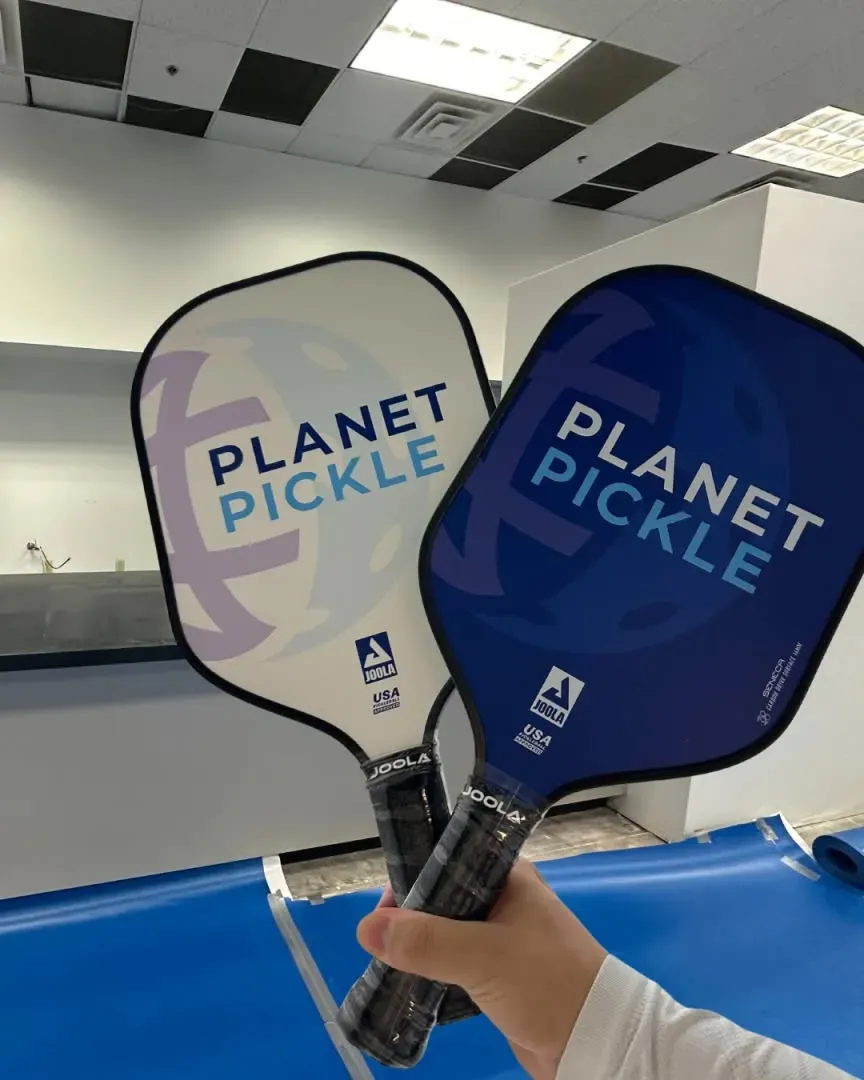
Choosing the right paddle can make learning pickleball much more enjoyable. For new players, the best beginner paddles are usually the ones that feel comfortable, offer good control, and help build confidence on the court.
While advanced players may focus heavily on spin or power, beginners often benefit more from paddles that are forgiving and easy to handle.
Several paddles consistently stand out for entry-level players because they balance comfort, control, and durability without being overly complicated or expensive.
Beginner-Friendly Paddle Options
The Rally Meister Pickleball Paddle is often recommended for players who are just getting started. Its lightweight construction makes it easier to maneuver, and the wider paddle face creates a larger sweet spot.
This helps beginners make more consistent contact with the ball, which can improve confidence during practice and games.
Another popular option is the ONIX Z5 Graphite Pickleball Paddle. Many new players appreciate its balanced feel because it offers a mix of power and control without feeling too heavy. The comfortable grip also makes it easier to play for longer sessions without discomfort.
The Paddletek Bantam EX-L is another strong choice for players looking to improve their touch and shot placement. Its polymer core helps soften impact while still providing enough responsiveness for developing more advanced skills over time.
As new products continue entering the market, newer beginner paddles have also gained attention. The Selkirk Amped S2 is known for its balance of power and forgiveness, while the Gamma Sports Fusion appeals to players looking for a lightweight paddle with solid control.
The ProLite Supernova is another option that combines comfort and responsiveness, making it suitable for players transitioning from beginner to intermediate play.
Why Budget Matters For Beginners
Budget plays a major role when selecting beginner paddles. Many new players are understandably hesitant to spend heavily before deciding how committed they are to the sport.
Entry-level paddles typically range from around $30 to $100, with price differences often reflecting materials, weight distribution, and overall durability. Less expensive paddles can still work well for casual learning, especially for players focused on recreational play.
However, investing slightly more in a quality paddle can provide noticeable improvements in comfort and consistency.
Better materials often create a more balanced feel and can last longer with regular use. For players who expect to play frequently, spending a bit more up front may reduce the need for an early replacement.
A good beginner paddle should feel supportive rather than limiting. The goal is not necessarily to buy the most expensive option but to find one that helps make learning easier and more enjoyable.
Why Testing A Paddle Helps
Whenever possible, testing paddles before purchasing can make a big difference. Even highly rated beginner paddles may feel different depending on a player’s grip preference, swing style, or strength.
Many sporting goods stores and pickleball clubs offer demo programs that allow players to try multiple paddles before buying. This gives beginners an opportunity to compare weight, grip comfort, and responsiveness during actual play.
Some players prefer lighter paddles for quicker reactions, while others feel more stable using slightly heavier models. Testing helps identify what feels natural rather than relying entirely on online descriptions or specifications.
It can also be helpful to ask experienced players or instructors for recommendations. People who regularly play often have firsthand experience with a wide range of beginner paddles and can point new players toward reliable options.
How Reviews Influence Paddle Selection
User reviews have become an important part of the decision-making process for many beginners. Reviews often highlight details that may not appear in product descriptions, such as long-term durability, grip comfort, or how forgiving a paddle feels during casual games.
Reading recent reviews can also reveal patterns in player experience. If multiple beginners mention that a paddle feels easy to control or comfortable during longer matches, that feedback can provide useful guidance.
Still, it is important to remember that paddle preference is highly personal. A paddle that works well for one player may not feel ideal for another.
Finding The Right Beginner Paddle
The best beginner paddles are the ones that help new players feel comfortable, confident, and excited to keep improving. Factors like weight, grip comfort, durability, and overall feel all contribute to the experience on the court.
By balancing budget, testing options when possible, and paying attention to trusted reviews, beginners can choose a paddle that supports steady growth while making the game more enjoyable from the very beginning.
How Does Paddle Weight Affect Beginner Play And Control?
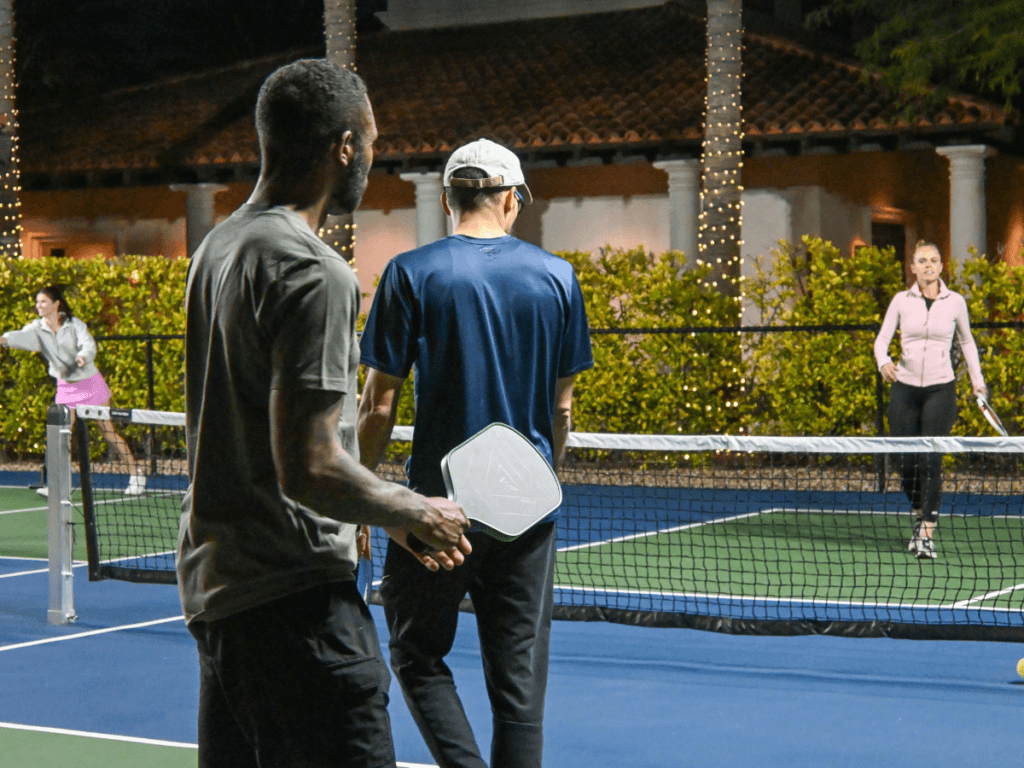
Paddle weight has a major impact on how comfortable and confident new players feel on the pickleball court. When choosing beginner paddles, weight is often one of the first factors players notice because it directly affects swing speed, control, reaction time, and overall comfort during play.
For beginners still learning proper technique, the right paddle weight can make the game feel much more manageable.
A paddle that feels too heavy may lead to slower reactions and fatigue, while one that is too light may feel unstable during contact with the ball. Finding the right balance helps players develop consistency and better control as they improve.
Why Lighter Paddles Appeal To Beginners
Many beginner paddles are designed with lighter weights because they are easier to maneuver. Quick hand movements are especially important in pickleball, particularly during fast exchanges near the net. A lighter paddle allows players to react faster and adjust more easily during rallies.
New players also tend to benefit from reduced strain on the wrist, elbow, and shoulder. Since beginners are still building technique and muscle memory, a lightweight paddle can help prevent fatigue during longer practice sessions.
Players transitioning from sports like table tennis or badminton often feel comfortable with lighter paddles because they allow for quicker wrist action and smoother movement.
However, lightweight paddles are not automatically the best choice for everyone. Some players may prefer slightly more weight for stability and shot control.
What Is The Ideal Weight Range For Beginner Paddles?
For most new players, beginner paddles generally fall within a range of about 6.0 to 8.5 ounces. This range offers a practical balance between control and power without feeling overly difficult to handle.
Paddles on the lighter end of the spectrum usually prioritize maneuverability and quicker reactions. Midweight paddles often provide a more balanced experience, offering enough stability while still remaining easy to swing.
Heavier paddles may feel more solid during contact and can generate extra power with less effort. However, beginners sometimes struggle to maintain control with heavier models, especially during fast-paced exchanges or extended play sessions.
The ideal weight often depends on personal preference, strength, and playing style. Trying different beginner paddles in person can help players identify which option feels the most natural.
How Weight Influences Power And Control
Paddle weight directly affects how shots feel during play. Lighter paddles are generally easier to move quickly, which improves maneuverability and reaction time. This can help beginners focus on placement, consistency, and control while learning the basics of the game.
Heavier paddles naturally generate more momentum during swings, which can create additional power behind shots. Some players enjoy the extra force because it requires less effort to drive the ball deeper across the court.
The tradeoff is that heavier paddles may slow down hand speed and feel less responsive during quick net exchanges. Beginners who are still developing timing and coordination may find lighter or midweight paddles easier to manage.
A good beginner paddle should support skill development rather than compensate for power. Control, comfort, and confidence are often more important than raw power during the early stages of learning.
Why Comfort Matters During Long Sessions
Comfort is another reason paddle weight matters so much. A paddle that feels awkward or tiring can make practice less enjoyable and may even contribute to soreness over time.
Players who experience wrist, elbow, or shoulder discomfort often benefit from testing lighter beginner paddles. Reduced strain allows for longer practice sessions and more consistent performance throughout games.
Grip size and paddle balance also influence comfort alongside weight. Even a relatively lightweight paddle can feel difficult to handle if the balance feels uneven or the grip does not fit properly.
Finding The Right Balance As A Beginner
There is no single perfect paddle weight for every player. Some beginners prioritize quick reactions and control, while others prefer a little more stability and power behind their shots.
The best beginner paddles are usually the ones that feel balanced, comfortable, and easy to control during real gameplay. Testing multiple paddle weights whenever possible can help players better understand what suits their style and physical comfort level.
As skills improve, preferences may change over time. Starting with a manageable, comfortable paddle gives beginners the best opportunity to build strong fundamentals while enjoying the learning process.
What Grip Size Should Beginners Choose For Comfort And Performance?
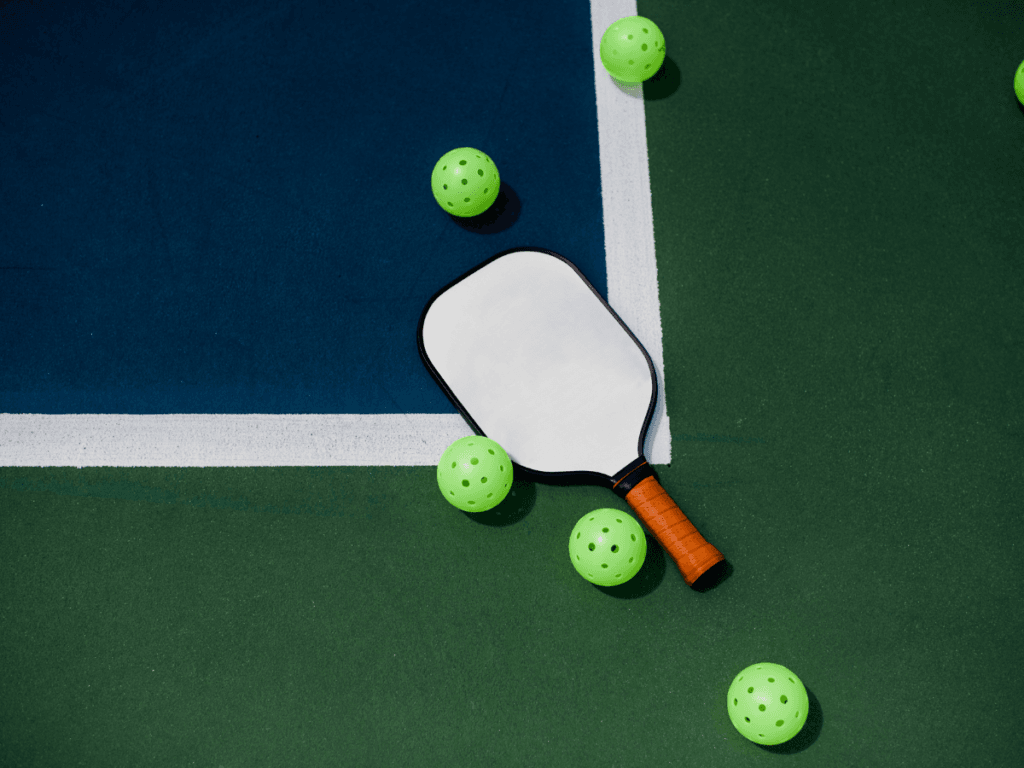
Grip size is one of the most overlooked factors when selecting beginner paddles, yet it can significantly affect comfort, control, and overall performance on the court. Even a high-quality paddle may feel awkward if the grip does not fit properly in your hand.
For beginners, the right grip size helps create a more natural feel during play. It allows players to maintain better control of the paddle while reducing unnecessary strain on the hand, wrist, and forearm.
Since newer players are still developing technique and consistency, comfort becomes especially important during longer practice sessions and recreational matches.
Choosing a grip that feels balanced and secure can make learning the game smoother and more enjoyable.
Why Grip Size Matters In Pickleball
The way a paddle fits in your hand affects nearly every aspect of gameplay. Grip size influences control, reaction speed, shot accuracy, and even fatigue levels during extended play.
Beginner paddles are often available in several grip sizes because players have different hand shapes and comfort preferences.
A grip that fits correctly allows players to hold the paddle securely without squeezing too tightly. This relaxed grip improves flexibility and helps create smoother swings and quicker adjustments during rallies.
An improper grip, on the other hand, can make the paddle feel unstable or uncomfortable. Over time, this may affect performance and even contribute to soreness or repetitive strain injuries.
How To Measure Your Grip Size
Finding the correct grip size is relatively simple and can usually be done at home. One common method involves measuring the distance from the tip of your ring finger to the middle crease of your palm. This measurement helps estimate the grip circumference that will likely feel most comfortable.
Most beginner paddles fall within a grip size range of approximately 4 inches to 4 ⅝ inches in circumference. Smaller hands generally feel more comfortable with thinner grips, while larger hands often need slightly thicker handles for stability.
Another practical method is the finger test. When holding the paddle, there should be enough space between your fingertips and palm to fit the index finger of your opposite hand comfortably. If there is too much space or not enough room, the grip size may not be ideal.
What Happens If The Grip Is Too Small?
A grip that is too small often forces players to squeeze the paddle more tightly to maintain control. This extra tension can lead to fatigue in the hand and forearm, especially during longer games.
Smaller grips may also cause excessive wrist movement, which can reduce shot consistency for beginners still learning proper mechanics. Some players develop discomfort or strain because they overcompensate for the lack of stability.
While smaller grips can increase wrist action and spin potential for advanced players, many beginners benefit from a grip that feels slightly more stable and controlled.
What Happens If The Grip Is Too Large?
A grip that is too large can create a different set of challenges. Thicker handles may limit wrist flexibility and make quick paddle adjustments more difficult during fast exchanges at the net.
Players using oversized grips sometimes struggle with reaction time because the paddle feels less maneuverable. Larger grips can also cause unnecessary tension in the hand and arm, leading to fatigue during extended play.
For beginners, comfort and control are usually more important than maximizing power. A grip that feels natural and relaxed helps players focus on learning proper technique instead of fighting against the paddle.
How Grip Comfort Supports Skill Development
Comfort plays a major role in confidence and consistency. Beginner paddles that fit properly encourage smoother swings, better ball placement, and improved control during rallies.
A comfortable grip also allows players to practice longer without discomfort, which supports faster improvement over time. Since beginners spend a lot of time building muscle memory, having a paddle that feels balanced and secure can make learning easier.
Some players also customize grip size using overgrips or replacement grips. This allows small adjustments without needing to replace the entire paddle.
Choosing The Right Grip For Beginner Paddles
The best beginner paddles are not only lightweight and forgiving but also comfortable to hold during real gameplay. Grip size should feel secure without requiring excessive pressure or effort.
Trying different grip sizes whenever possible can help new players identify what feels most natural. By prioritizing comfort and control early on, beginners can develop stronger fundamentals and enjoy a more consistent playing experience.
Which Paddle Materials Are Best Suited for Beginners?
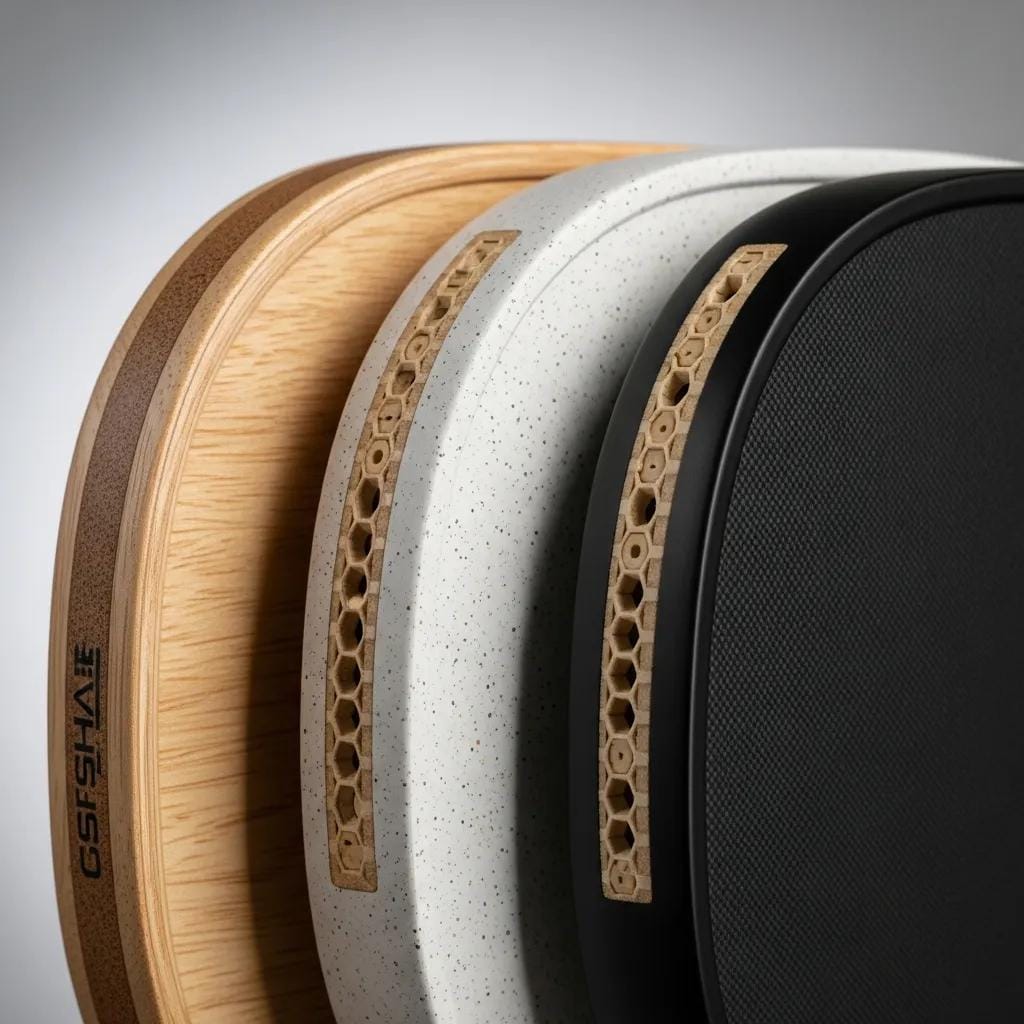
When shopping for beginner paddles, one of the most important decisions involves choosing the right material. Paddle materials affect everything from weight and durability to control and overall feel during play.
For new players still developing their technique, selecting the right material can make the learning process more comfortable and enjoyable.
Most beginner paddles are made from wood, composite, or graphite. Each option offers a different playing experience, and understanding the strengths of each material can help beginners make a more confident choice.
Why Paddle Material Matters
The material of a paddle directly influences how it performs on the court. Some materials create a lighter, faster feel, while others prioritize durability and stability. Beginners often benefit from paddles that provide a balance of control, comfort, and forgiveness rather than maximum power.
Since new players are still learning positioning, timing, and shot accuracy, the right paddle material can help reduce frustration during practice and games. A paddle that feels comfortable and responsive makes it easier to build confidence and improve consistency.
Choosing between different beginner paddles often comes down to deciding which features matter most for your playing style and budget.
Wood Paddles For Entry-Level Players
Wood paddles are typically the most affordable option and are often recommended for complete beginners or casual recreational use. They are known for their durability and solid feel, making them a practical choice for players who want to try pickleball without making a major investment.
Because wood paddles are heavier than other options, they can help generate power naturally. However, that added weight may also make them more difficult to maneuver during fast exchanges or longer matches.
For players who are just learning the basics and want a sturdy, low-cost paddle, wood can still be a reasonable starting point. That said, many players eventually upgrade to lighter materials as their skills improve.
Composite Paddles Offer Balanced Performance
Composite beginner paddles are popular because they strike a middle ground between affordability, comfort, and performance. These paddles usually feature a polymer or fiberglass surface combined with a lightweight core, creating a more balanced playing experience.
Compared to wood paddles, composite models are easier to handle and provide better responsiveness on the court. Many beginners appreciate the improved control and softer feel, especially when learning placement shots and dinks near the net.
Composite paddles also come in a wide variety of designs and weight ranges, giving players more flexibility in finding a paddle that feels natural in their hands.
Graphite Paddles Focus On Speed And Control
Graphite paddles are known for being lightweight and highly responsive. Although they are often associated with advanced players, many beginners also enjoy them because they are easy to maneuver and comfortable during longer games.
The lighter construction allows for faster reactions and smoother swings, which can help newer players develop better control and consistency. Graphite beginner paddles also tend to feel more precise during rallies, making them appealing for players who value touch and placement over raw power.
One downside is cost. Graphite paddles are usually more expensive than wood or composite options. They may also require more careful handling, since lightweight materials can sometimes be more susceptible to surface damage.
How Material Affects Durability
Durability is another important factor when comparing beginner paddles. Wood paddles are extremely tough and can withstand rough handling, making them ideal for casual outdoor use or community courts.
Composite paddles provide a strong balance between durability and performance. They hold up well during regular recreational play and are often considered the most versatile option for beginners.
Graphite paddles deliver excellent performance but may show wear more quickly if dropped or used heavily on rough surfaces. For players who practice frequently, proper storage and care can help extend the life of the paddle.
Choosing The Right Material For Your Playing Style
The best beginner paddles are the ones that feel comfortable and support your style of play. Players who want affordability and durability may prefer wood. Those looking for all-around performance often gravitate toward composite paddles, while players focused on speed and control may enjoy graphite options.
Trying different materials whenever possible can make a big difference. Even subtle changes in weight and feel can affect comfort and confidence on the court.
By understanding how paddle materials influence performance, beginners can choose equipment that supports steady improvement and a more enjoyable playing experience.
What Are Affordable Pickleball Paddle Options For New Players?
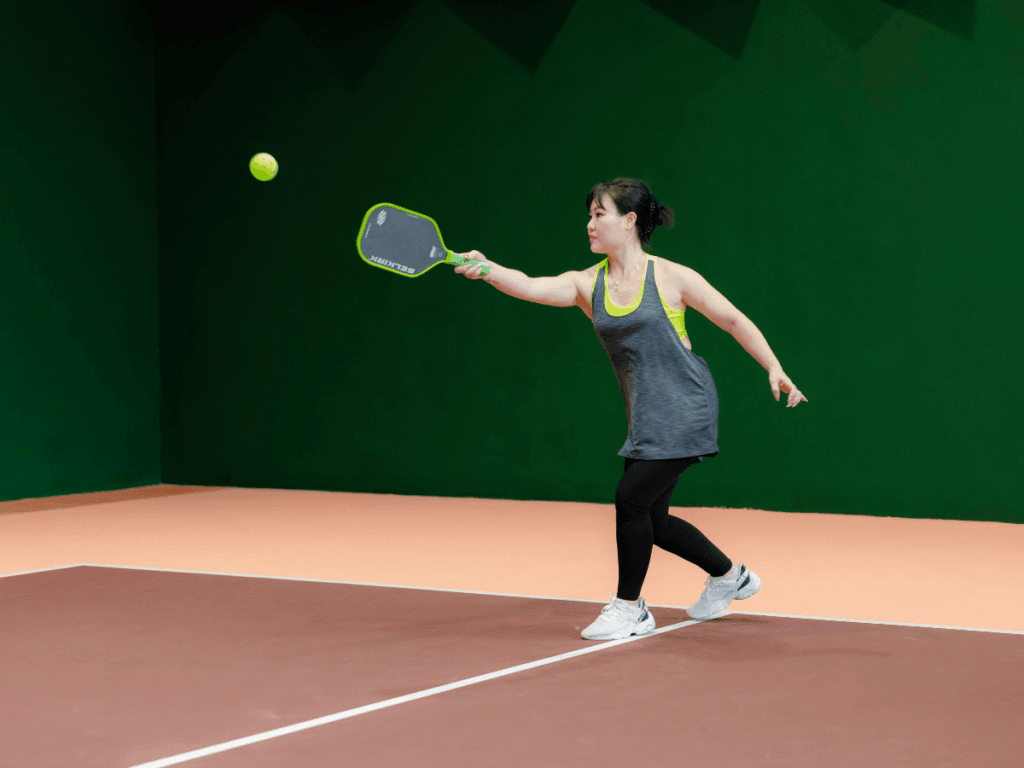
Getting started in pickleball does not require expensive equipment. Many beginner paddles offer solid performance, comfortable handling, and good durability without stretching your budget. For new players, the goal is usually to find a paddle that feels reliable and easy to control while learning the basics of the game.
The good news is that there are several affordable options available that still deliver a quality playing experience. Many beginner paddles are designed specifically for players who want a balance of comfort, forgiveness, and value without investing in professional-level gear right away.
Why Budget-Friendly Paddles Make Sense For Beginners
When you are first learning pickleball, your technique and preferences will likely change over time. Spending a large amount on advanced equipment too early may not always be necessary.
Affordable beginner paddles give new players the chance to explore the game, build skills, and figure out what style of paddle feels best before upgrading later on.
Entry-level paddles have also improved significantly in recent years. Many now include features that were once found only in higher-end models, such as lightweight construction, comfortable grips, and larger sweet spots.
For casual players or those just joining recreational leagues, a reasonably priced paddle is often more than enough to enjoy the game and improve steadily.
Affordable Beginner Paddle Options Worth Considering
One popular entry-level option is the Rally Meister Pickleball Paddle. Usually priced around $30, it offers a lightweight feel and a wide paddle face that helps beginners make more consistent contact with the ball. Many new players appreciate its forgiving design and approachable price point.
The ONIX Z5 Graphite Pickleball Paddle is another well-known choice for beginners. Typically sold in the mid-range price category, this paddle combines control, power, and comfort in a way that works well for players still developing their technique. Its graphite surface also gives it a more responsive feel than many budget wood paddles.
For beginners who are willing to spend a little more for added comfort and touch, the Paddletek Bantam EX-L remains a strong option. It is known for its balanced feel and softer response, which can help newer players improve placement and control during rallies.
These beginner paddles all serve slightly different needs, which is why trying a few styles whenever possible can be helpful before making a final decision.
How To Balance Price And Quality
Finding the right balance between cost and performance is one of the biggest challenges for new players. While it may be tempting to choose the cheapest paddle available, extremely low-cost options sometimes lack comfort, durability, or consistency.
Instead of focusing only on price, beginners should look at the overall value of the paddle. Factors such as weight, grip comfort, material quality, and paddle balance can have a noticeable effect on the playing experience.
A moderately priced paddle that feels comfortable and lasts longer may provide better long-term value than replacing a very cheap paddle after only a few months of use.
Features That Matter Most For New Players
When comparing beginner paddles, certain features tend to matter more than advanced technology or professional branding.
A comfortable grip, manageable weight, and forgiving sweet spot are often far more important for beginners than maximum spin or power.
Lightweight paddles are generally easier to maneuver and can help reduce fatigue during longer games. A wider paddle face may also make it easier to develop consistency while learning proper positioning and shot timing.
Many affordable paddles now include polymer cores or composite surfaces that create a softer feel and better control without dramatically increasing the price.
Why Reviews And Demo Sessions Can Help
Reading reviews from other recreational players can provide useful insight into how beginner paddles perform during actual gameplay. Many reviews discuss comfort, durability, grip feel, and ease of use, all of which are especially relevant for first-time buyers.
If possible, testing paddles before purchasing can make a major difference. Sporting goods stores, pickleball clubs, and local courts sometimes offer demo paddles that allow beginners to compare different weights and materials in real playing conditions.
Choosing an affordable paddle does not mean sacrificing quality. With so many well-designed beginner paddles available today, new players can find equipment that supports skill development, comfort, and confidence without overspending.
How Can Beginners Maintain Their Pickleball Paddles For Longevity?

Taking care of your equipment is an important part of improving your game, especially for new players still getting comfortable on the court. While beginner paddles are designed to handle regular recreational use, proper maintenance can help them last longer and perform more consistently over time.
A well-maintained paddle not only looks better but also preserves its grip, surface texture, and overall feel during play. Fortunately, paddle care does not need to be complicated. A few simple habits can go a long way toward protecting your investment and keeping your equipment in good condition.
Why Paddle Maintenance Matters
Many beginners focus heavily on choosing the right paddle but overlook ongoing maintenance. Over time, dirt, sweat, moisture, and repeated impact can affect how beginner paddles perform. Even small issues like a worn grip or damaged edge guard can change the way the paddle feels during gameplay.
Regular maintenance also helps players spot early signs of wear before they become larger problems. Catching damage early may prevent the need for premature replacement and can help preserve the paddle’s balance and responsiveness.
For beginners who play several times a week, consistent care becomes even more important.
Clean Your Paddle After Use
One of the easiest ways to extend the life of beginner paddles is to clean them regularly. After each session, wiping down the paddle surface with a soft cloth helps remove dirt, sweat, and moisture that can build up during play.
For paddles with textured surfaces, a slightly damp cloth usually works well. Avoid harsh cleaning chemicals or abrasive materials, since they can damage the paddle face over time. Some players also use specialty paddle erasers designed to remove ball residue without affecting the surface material.
Keeping the paddle clean not only improves appearance but can also help maintain consistent ball contact and control.
Store Your Paddle Properly
Storage plays a major role in paddle longevity. Leaving beginner paddles in a hot car, damp garage, or direct sunlight for extended periods can cause warping, fading, or material breakdown.
Using a protective paddle cover or carrying case is one of the simplest ways to prevent unnecessary wear. Cases help shield the paddle from scratches, accidental drops, and moisture during transport.
When storing your paddle at home, try to keep it in a dry, temperature-controlled environment. Consistent conditions help preserve the integrity of the paddle core and surface materials.
Protect The Grip And Edge Guard
The grip is one of the first areas to show signs of wear, especially for beginners still adjusting their hand positioning and swing technique. Sweaty hands and repeated use can cause grips to become slippery or worn down over time.
Replacing the overgrip periodically can improve comfort and maintain better control during matches. Fortunately, overgrips are inexpensive and easy to install, making them a practical upgrade for beginner paddles.
It is also important to pay attention to the edge guard. Since many players accidentally scrape the court while learning, the edge guard often absorbs a lot of impact. Checking it regularly for cracks or looseness can help prevent more serious paddle damage later on.
Avoid Common Paddle Mistakes
Some habits can shorten the lifespan of beginner paddles without players realizing it. Hitting the ground in frustration, tossing paddles into bags without protection, or using them in poor weather conditions can all increase wear.
Extreme heat is especially damaging for many paddle materials. Composite and graphite paddles can weaken if exposed to high temperatures repeatedly, while moisture may affect certain core materials over time.
Being mindful of how you handle your paddle between games can make a noticeable difference in how long it lasts.
Knowing When It Is Time To Replace Your Paddle
Even with proper care, beginner paddles will eventually wear out. Visible cracks, dead spots on the surface, peeling edges, or a noticeable decline in responsiveness are all signs that replacement may be necessary.
Some players also outgrow their first paddle as their skills improve. A beginner paddle that once felt perfect may eventually lack the control, spin, or power needed for more advanced play.
Replacing a paddle does not always mean upgrading to the most expensive model. Often, it simply means finding equipment that better matches your evolving playing style and comfort preferences.
How Do 2026 Market Trends Influence Beginner Paddle Choices?
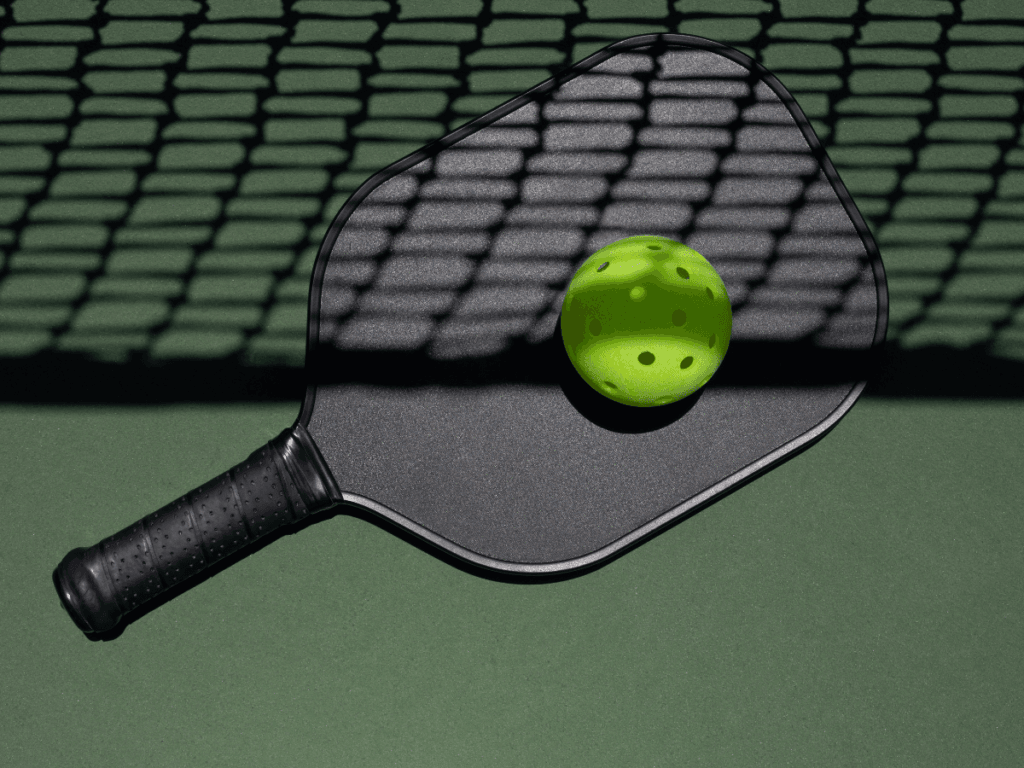
The pickleball equipment market continues to grow rapidly, and that growth is changing the way beginner paddles are designed and marketed.
In 2026, manufacturers are placing a stronger focus on comfort, accessibility, and ease of use, making it easier than ever for new players to find equipment that fits their needs.
Instead of creating paddles only for competitive athletes, many brands are now developing models specifically tailored for recreational and first-time players. These newer beginner paddles often prioritize forgiveness, lighter weight, and user-friendly features that help players build confidence on the court more quickly.
As the sport attracts a wider range of age groups and skill levels, paddle companies are also paying closer attention to how beginners actually play and what challenges they face during their first months in the game.
Why Lightweight Paddles Continue To Grow In Popularity
One of the biggest trends in 2026 is the push toward lighter paddle designs. Many new players struggle with arm fatigue or slower reaction times when using heavier paddles, especially during longer matches or practice sessions.
To address this, manufacturers are experimenting with lightweight composite blends and thinner paddle constructions that still provide stability and control. These designs make beginner paddles easier to maneuver without sacrificing too much power.
Lighter paddles are especially appealing to players who value quick reactions at the net or who want a more comfortable playing experience while learning proper mechanics. For many beginners, reducing strain on the wrist and shoulder can make the game more enjoyable and encourage more consistent practice.
Ergonomic Features Are Becoming More Common
Comfort-focused design has become another major trend shaping beginner paddles. In previous years, ergonomic features were more common in premium or advanced-level equipment.
Now, many entry-level paddles include upgraded grip materials, cushioned handles, and improved balance points designed to reduce discomfort during play.
Manufacturers understand that new players are more likely to stick with the sport if the equipment feels comfortable from the start. As a result, beginner paddles are increasingly built with softer grips and more forgiving paddle faces that help reduce vibration after contact with the ball.
These smaller improvements may seem minor, but they can have a noticeable effect on confidence and overall enjoyment for beginners still adjusting to the pace of the game.
Beginner Feedback Is Influencing Paddle Design
Another important shift in 2026 is the way companies gather and apply player feedback. Manufacturers now rely heavily on reviews, community testing, and recreational player input when developing new beginner paddles.
Rather than focusing only on professional-level performance, brands are paying closer attention to what everyday players actually want. Many beginners report prioritizing comfort, control, affordability, and ease of handling over advanced spin technology or maximum shot power.
This feedback has led to wider sweet spots, more balanced paddle weights, and designs that are easier for new players to use consistently. The result is equipment that feels less intimidating and more supportive for players still building foundational skills.
More Variety Means Better Choices For Beginners
The growing popularity of pickleball has also expanded the number of paddle options available. In the past, beginners often had to choose between very basic paddles or expensive professional models. Today, there are far more middle-ground options designed specifically for recreational and developing players.
This increased competition has improved overall quality across the market. Many beginner paddles now include features that were once reserved for higher-end models, including polymer cores, textured surfaces, and upgraded edge protection.
For beginners, this means it is possible to find a comfortable, durable paddle without spending excessively.
Technology Is Making Paddles More User-Friendly
Advancements in materials and manufacturing have made beginner paddles more forgiving and easier to control. Improved core technology helps reduce vibration, while updated face materials create a more consistent response during play.
These changes benefit players who are still refining timing and shot placement. A paddle with a larger sweet spot and smoother feel can help beginners focus on learning technique instead of constantly adjusting to inconsistent contact.
As the market continues evolving, beginner-friendly design is becoming a bigger priority across the industry. That trend gives new players access to equipment that supports faster learning, greater comfort, and a more enjoyable experience on the court.
Where Can Beginners Find Reliable Pickleball Paddle Buying Guides And Reviews?
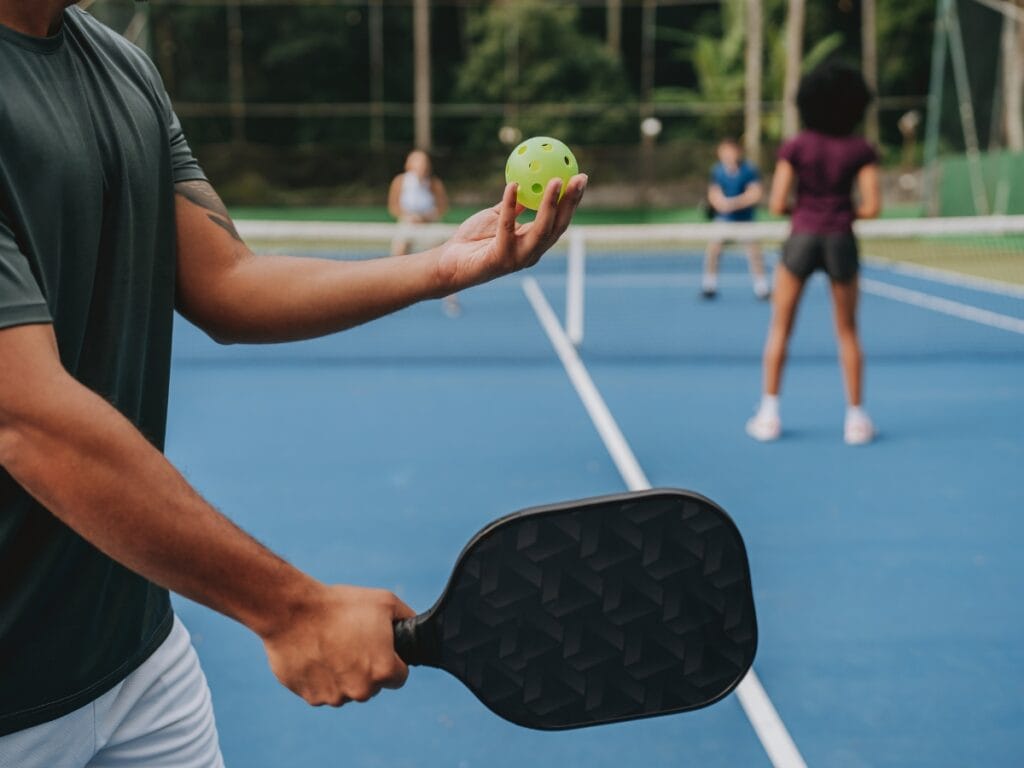
Choosing among the many beginner paddles on the market can feel overwhelming, especially for players who are new to pickleball. With so many brands, materials, and price ranges available, finding trustworthy information becomes an important part of the buying process.
Fortunately, beginners have access to a wide range of online resources that can help narrow down the options. From player reviews and video demonstrations to detailed comparison guides, these tools can make it easier to understand how different paddles perform in real-world situations.
The key is knowing which sources provide useful, balanced information rather than overly promotional content.
Why Research Matters Before Buying A Paddle
Many beginner paddles look similar at first glance, but small differences in weight, grip size, core material, and balance can significantly affect how they feel during play. Spending time researching before buying can help new players avoid choosing a paddle that feels uncomfortable or does not match their playing style.
Reliable reviews also help beginners understand which paddles are best suited for control, power, comfort, or all-around recreational use. Since many new players do not yet know their preferences, seeing feedback from other beginners can be especially valuable.
A little research up front often leads to a better long-term experience on the court.
Using Online Retailers For Real User Feedback
Large online retailers are often one of the easiest places to start researching beginner paddles. Product pages usually include hundreds of customer reviews discussing comfort, durability, grip feel, and overall performance.
Reading a mix of positive and negative reviews can provide a more balanced perspective. Beginners should pay attention to comments from players with similar experience levels, since advanced players may prioritize features differently.
Photos uploaded by customers can also help buyers see how paddles hold up after extended use, which is useful when comparing durability and overall value.
Pickleball Forums And Community Discussions
Online pickleball communities can offer practical advice that feels more personal and experience-driven. Forums, social media groups, and recreational pickleball communities often include discussions where players compare beginner paddles and share honest opinions about what worked for them.
These conversations can be especially helpful because players frequently discuss real situations, such as transitioning from a cheap starter paddle, choosing a paddle for joint comfort, or finding a lightweight option for easier control.
Beginners can also ask questions directly and receive recommendations based on budget, playing style, or physical comfort preferences.
Why Video Reviews Help Beginners
YouTube reviews have become one of the most popular ways to research beginner paddles. Watching paddles used in actual gameplay gives beginners a better understanding of swing speed, sound, grip shape, and ball response.
Video reviewers often demonstrate how paddles perform during serves, volleys, and soft touch shots, helping viewers see differences that may not be obvious from written descriptions alone.
Another advantage of video reviews is the ability to compare paddles side by side. Seeing multiple beginner paddles tested under similar conditions can make it easier to identify which features matter most to you.
Comparing Paddles More Effectively
Comparison charts and buying guides can simplify the decision-making process for new players. These tools organize information such as weight, grip size, materials, paddle dimensions, and price into a format that is easy to scan quickly.
For beginners, comparison guides are most helpful when they focus on practical factors rather than advanced technical details. Features like maneuverability, forgiveness, comfort, and durability tend to matter more early on than specialized spin technology or tournament-level performance.
Visual aids can also help players understand how different paddle shapes and thicknesses affect gameplay.
How To Identify Trustworthy Reviews
Not all reviews are equally helpful, so beginners should look for sources that provide balanced information instead of overly aggressive recommendations. Reliable reviewers usually discuss both strengths and weaknesses rather than claiming every paddle is perfect.
It is also useful to compare feedback across multiple sources instead of relying on a single opinion. If several reviewers consistently mention the same strengths or drawbacks, those observations are more likely to reflect the paddle’s actual performance.
The best beginner paddles are often the ones that feel comfortable, forgiving, and easy to grow with over time. Using trusted buying guides, comparison tools, and real player feedback can make finding the right paddle much less intimidating.
Conclusion
Choosing the right beginner paddle can make all the difference in how quickly you fall in love with pickleball. The best starter paddles offer a balanced blend of control, forgiveness, and a comfortable grip, features that help new players build consistency and confidence from their very first game.
Once you’ve got the gear, you need the right place to play. Planet Pickle in Suwanee offers the ideal environment for beginners to learn and grow.
Ready to start your pickleball journey with the right paddle and the perfect place to play? Call 678-404-5792 today to book court time, schedule a beginner lesson, or explore our full range of programs and amenities. Your best game starts at Planet Pickle.