
Pickleball is easy to pick up, but the scoring can catch new pickleball players off guard. Between serving rules, side-outs, and keeping track of points, it’s easy to lose track of where you are in a game. Mastering pickleball scoring is key to playing with confidence and keeping matches running smoothly.
Once you understand how points are earned, how serving rotations work, and when scores change, the game becomes much easier to follow. Clear scoring not only prevents confusion but also helps you stay focused on strategy instead of second-guessing the rules.
With a simple breakdown of the basics, you can quickly get comfortable with pickleball scoring and enjoy the game without the guesswork.
What Are The Basic Pickleball Scoring Rules Every Player Should Know?
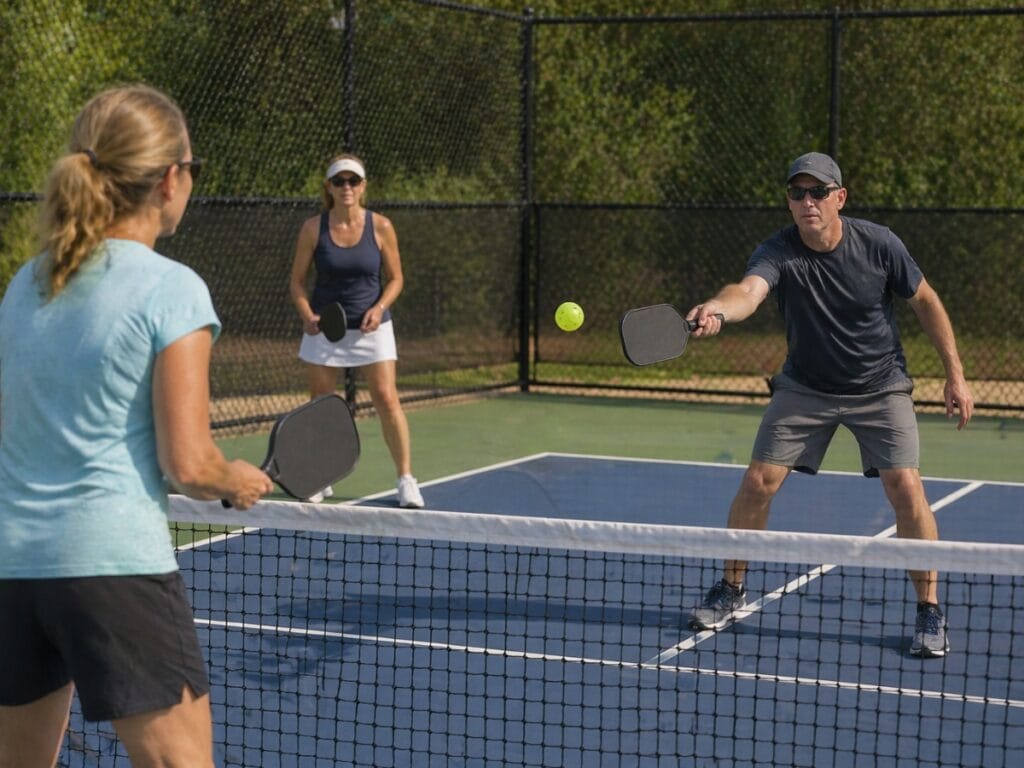
Understanding how pickleball scoring works starts with a few core rules that shape how points are earned and how rallies unfold. While the scoring system can feel unfamiliar at first, the structure becomes much clearer once you see how these foundational rules connect during play.
One of the most important aspects of pickleball scoring is that only the serving team can score points. This means rallies matter not just for winning a point, but for earning or keeping the serve. Because of this, the opening shot and early rally rules play a bigger role than many new players expect.
How The Serve Sets Up The Score
Every point begins with a legal serve, and getting this right is essential. The serve must be underhand, with contact made below the waist, and it needs to land in the diagonally opposite service box. This rule keeps the game controlled from the start and prevents overly aggressive serves from dominating play.
In the context of pickleball scoring, the serve also determines which player is responsible for starting the rally and how the score is announced.
In doubles, the score is called with three numbers, reflecting the serving team’s score, the receiving team’s score, and which server is hitting. This structure helps both teams track rotations and maintain order during play.
Why The Double-Bounce Rule Matters
The double-bounce rule is a defining feature of pickleball and plays a direct role in how points develop. After the serve, the receiving team must let the ball bounce before returning it. Then, the serving team must also allow the ball to bounce before hitting it back.
This rule slows the game down just enough to create longer rallies and more strategic play. It prevents immediate net rushing and gives both teams a fair chance to get into position.
When you understand this rule in relation to pickleball scoring, it becomes clear why patience and placement often matter more than power, especially early in a rally.
Understanding The Non-Volley Zone In Gameplay
Another key rule that influences scoring is the non-volley zone, often called the kitchen. This area extends seven feet from the net on both sides, and players are not allowed to hit the ball out of the air while standing inside it.
The purpose of this rule is to prevent players from dominating the net with quick, aggressive volleys. Instead, it encourages more controlled play and thoughtful shot selection.
Since many points are won or lost near the net, respecting the non-volley zone is essential for maintaining consistency and avoiding faults that can cost your team the serve.
How These Rules Work Together In Real Matches
When you look at these rules as a whole, they create a balanced system that supports fair and engaging play. The serve starts the point under controlled conditions, the double-bounce rule establishes a rhythm, and the non-volley zone shapes how players approach the net.
Together, they form the backbone of pickleball scoring, ensuring that points are earned through strategy and execution rather than quick advantages. For new players, focusing on these fundamentals can make the game feel far less confusing and much more enjoyable.
As you gain experience, these rules become second nature, and you begin to see how they influence every rally. With a solid understanding of these basics, keeping track of pickleball scoring and playing confidently becomes much easier.
How Does Scoring Differ Between Singles And Doubles Pickleball Matches?

While the fundamentals of pickleball scoring stay consistent across formats, the way points are tracked and announced changes depending on whether you are playing singles or doubles. Understanding these differences helps you follow the game more easily and avoid confusion during play.
In both formats, only the serving side can earn points, and games are typically played to 11, with a two-point margin required to win. From there, the structure begins to diverge, especially in how the score is called and how serves rotate.
What Are The Specific Scoring Rules For Singles Play?
Singles play keeps pickleball scoring simple and easy to follow. Each player serves from alternating sides of the court, depending on their score.
When the server’s score is even, they serve from the right side. When it is odd, they serve from the left. This pattern helps players quickly determine correct positioning without needing to track additional details.
Before each serve, the player calls out two numbers. The first is their own score, followed by their opponent’s score. Since there is only one server per side, there is no need to include a third number.
This format makes singles scoring more intuitive, especially for beginners. It also places more emphasis on individual consistency, since there is no partner to rotate with or share serving responsibilities. As a result, each point in singles often feels more direct, with fewer moving parts to track.
How Is Doubles Scoring Structured And Managed?
Doubles introduces a more detailed version of pickleball scoring, mainly because two players share the serve on each team. To keep everything organized, the score is called using three numbers.
The first number represents the serving team’s score, the second is the receiving team’s score, and the third indicates whether it is the first or second server.
At the start of a game, only one player on the serving team gets the initial serve. After the first fault, the serve passes to the opposing team. From that point on, both players on a team will have a chance to serve before the serve switches sides.
The serving order is what adds complexity. When a team wins a point, the same server continues but switches court positions with their partner. When they lose a rally, the second server takes over. Once both players have lost their serves, the opposing team gains possession.
Although it may seem complicated at first, this system becomes easier to follow with a bit of practice. The third number in the score call acts as a guide, helping players keep track of who should be serving and when rotations should occur.
Why These Differences Matter During Play
The contrast between singles and doubles pickleball scoring affects more than just how the score is announced. It also changes how players approach each rally. In singles, the focus is on individual movement and endurance, since one player covers the entire court.
In doubles, communication and positioning become more important. Because both players share the serve and alternate roles, understanding the scoring sequence helps teams stay coordinated and avoid simple mistakes.
Once you get comfortable with both systems, switching between singles and doubles becomes much easier. Each format offers a slightly different rhythm, but both rely on the same core principles that define pickleball scoring.
What Are Common Pickleball Scoring Mistakes And How Can They Be Avoided?
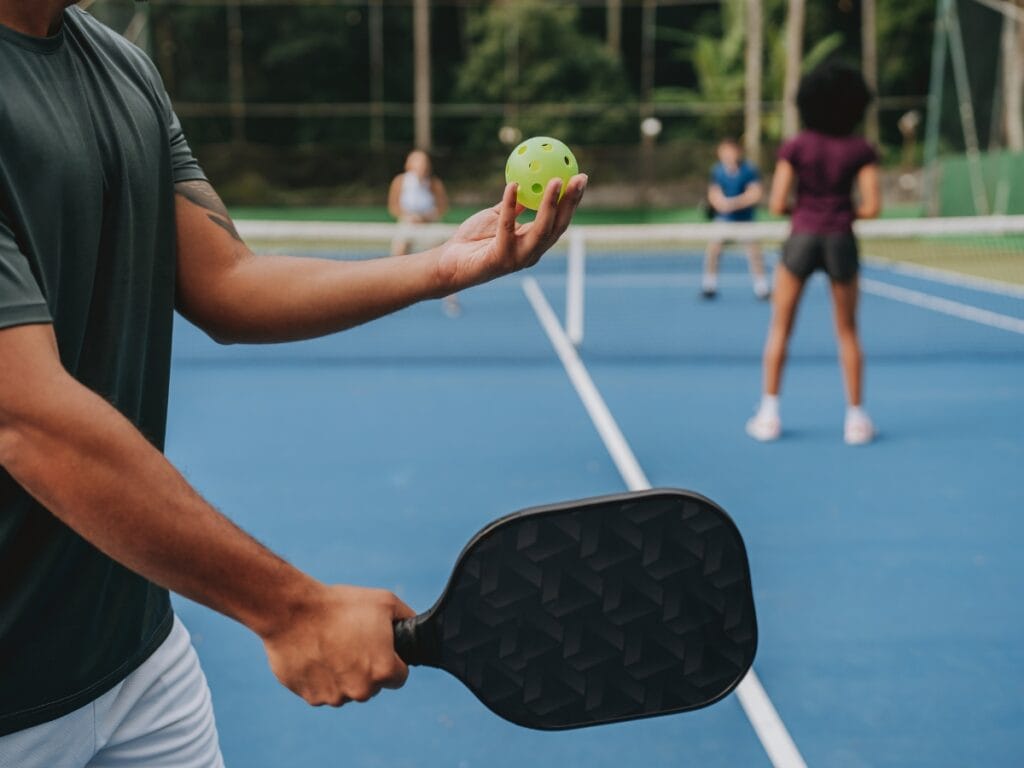
Even players who are comfortable with the rules can slip up when it comes to pickleball scoring. Because the game moves quickly and involves constant rotation, small mistakes can lead to confusion or even disputes.
Knowing what tends to go wrong, and how to correct it in the moment, makes a noticeable difference in how smoothly a match runs. While most errors are simple, they often come from habits that build up over time. Paying attention to these patterns can help you stay consistent and keep the game fair for everyone involved.
Which Errors Most Frequently Occur In Scorekeeping?
One of the most common mistakes in pickleball scoring is forgetting to include the server number during doubles play.
Since the third number indicates whether it is the first or second server, leaving it out can quickly disrupt the flow of the game. Players may end up serving out of turn without realizing it.
Another frequent issue is reversing the order of the score. The serving team’s score should always be called first, followed by the receiving team’s score. Mixing this up might seem minor, but it can cause confusion, especially in close games where every point matters.
Timing also plays a role. Some players call the score too early, before both sides are ready or before confirming the previous point.
This can lead to disagreements about what the correct score actually is, particularly in longer rallies where players are focused on the action rather than tracking points.
These mistakes are common because pickleball scoring requires attention to detail while staying engaged in the game. Without a consistent routine, it is easy to lose track.
Why Small Scoring Errors Can Affect Gameplay
Scoring errors do more than interrupt the game. They can shift momentum and affect player confidence. If one team is unsure about the score, it can lead to hesitation or distraction during the next rally.
In doubles, incorrect scoring can also disrupt positioning. Since players rely on the score to determine where to stand and who should serve, even a small mistake can throw off the rotation. Over time, these inconsistencies can add up and make the match feel less organized.
This is why experienced players treat pickleball scoring as part of their rhythm. Keeping the score accurate is not separate from gameplay. It is built into how each point begins.
What Strategies Help Players Maintain Accurate Scores?
The simplest way to improve accuracy is to develop a clear and repeatable routine. Calling the score in a steady voice before every serve helps both teams stay aligned. It also gives players a moment to reset and prepare for the next point.
Quick confirmation between partners can also prevent mistakes from carrying forward. A brief glance or verbal check after each point ensures that both players agree on the score before continuing. This habit becomes especially useful in longer matches.
Another helpful approach is to pause briefly before serving. Taking a second to think through the score, including the server number in doubles, can prevent the most common errors. It may feel like a small delay, but it keeps the game running smoothly in the long run.
With a bit of awareness and consistency, pickleball scoring becomes much easier to manage. Once these habits are in place, players can focus more on strategy and less on correcting avoidable mistakes.
What Scoring Strategies Can Improve Competitive Pickleball Performance?

Strong fundamentals matter, but understanding how strategy connects to pickleball scoring is what often separates casual play from competitive performance.
The way you approach each rally should reflect the scoring system, especially since only the serving team earns points in standard play. This shifts the focus from simply winning rallies to winning them at the right time.
Rather than relying on power alone, experienced players use controlled, repeatable strategies to create scoring opportunities. These choices become even more important during longer rallies and tight games.
How Strategic Shot Selection Creates Scoring Opportunities
Certain shots are closely tied to success in pickleball scoring because they help players move into stronger positions on the court. One of the most effective is the third shot drop.
After the serve and return, a soft, controlled shot into the non-volley zone allows the serving team to approach the net safely. Gaining control of the net often leads to more consistent points over time.
Lobs can also play a strategic role, especially when opponents are positioned too close to the net. A well-placed lob forces them to retreat and can disrupt their rhythm. While not used as frequently as softer control shots, it can create space and reset a rally when needed.
Controlled volleys are another key element. Instead of trying to end points quickly, skilled players focus on placement and patience.
By keeping the ball low and difficult to attack, they maintain pressure and wait for a clear opening. This approach aligns closely with how points are earned in pickleball scoring, where consistency often outweighs risk.
How Understanding Side-Out Scoring Shapes Decisions
Traditional pickleball scoring follows a side-out system, meaning only the serving team can score. This has a direct impact on how players approach each rally. When serving, the goal is not just to win the point, but to extend the serving run and build momentum.
When receiving, the objective shifts. Instead of trying to score immediately, the focus is on winning the rally to gain the serve. This subtle difference changes how players manage risk.
Many will play more conservatively when receiving, knowing that earning the serve is the first step toward scoring. Some variations of rally scoring, where both teams can score regardless of who serves, have been tested in certain formats.
However, side-out scoring remains the standard and continues to define competitive play. Understanding this structure helps players make smarter decisions about when to attack and when to stay patient.
What Tactical Adjustments Matter Most At Key Moments
As games get closer to the final points, strategy becomes even more important. Reducing unforced errors is one of the most effective ways to stay competitive. Simple mistakes during serves or returns can quickly shift momentum, especially when only one team can score.
Shot selection also becomes more deliberate late in games. Players often rely on high-percentage shots rather than aggressive attempts that carry more risk. This approach keeps rallies controlled and increases the chance of forcing an opponent error.
In doubles, communication plays a major role in converting opportunities into points. Clear calls and coordinated movement help teams stay organized, particularly during fast exchanges at the net. When both players understand their roles, it becomes easier to maintain pressure and close out points.
By connecting these strategies to how pickleball scoring works, players can approach matches with more intention. Over time, this leads to better consistency, smarter decision-making, and stronger overall performance.
How Can Digital Tools And Apps Assist In Pickleball Match Scoring?
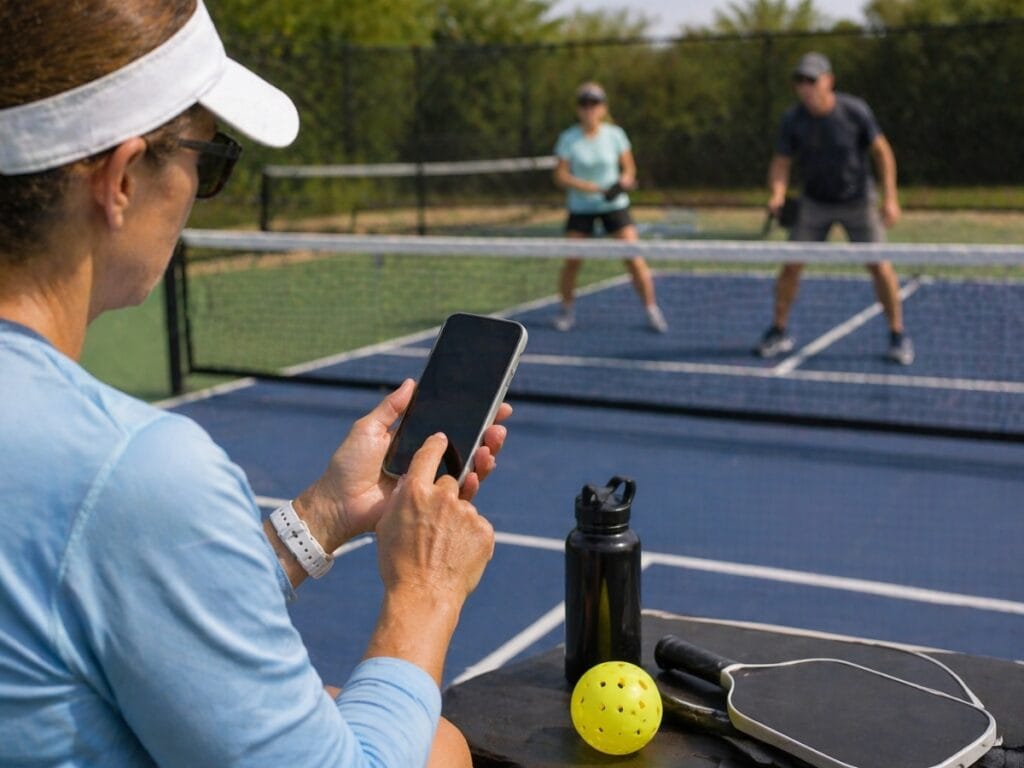
Keeping track of the score during a fast-paced match can be surprisingly challenging, especially in doubles where rotations and server numbers come into play.
That is where digital tools can make a real difference. By simplifying how players manage pickleball scoring, these tools help reduce errors and keep games running smoothly.
For many players, the biggest benefit is consistency. Instead of relying on memory alone, a digital tool provides a clear, reliable record of each point.
This becomes especially helpful during longer matches or competitive play, where even small scoring mistakes can disrupt momentum.
Which Scoring Apps Work Well For Different Skill Levels?
There is a wide range of scoring apps available, and the right choice often depends on how experienced the player is. Beginners usually benefit from simple apps that focus on the basics.
These tools often include large, easy-to-read score displays and guided prompts that help users follow the correct pickleball scoring format.
More advanced players may prefer apps that go beyond basic scorekeeping. Some include match history, player stats, and performance tracking over time.
These features can be useful for identifying patterns, such as how often a team scores on serve or where points tend to break down.
Regardless of skill level, the most effective apps are the ones that stay intuitive. If a tool is too complicated, it can become a distraction rather than a benefit during play. The goal is to support pickleball scoring without taking attention away from the game itself.
How Digital Scorekeeping Fits Into Real Matches
Digital tools are not meant to replace traditional score calling. Instead, they work alongside it. Players still announce the score before each serve, which keeps communication clear between both sides. The app simply acts as a backup, ensuring that everyone stays aligned as the game progresses.
This combination can be especially helpful in doubles matches, where the three-number scoring system can lead to occasional confusion.
A quick glance at a device can confirm the current score, the server position, and whose turn it is to serve. This reduces the need for mid-game discussions and helps maintain the flow of play.
Some players also use wearable devices or smartwatches to track scores. These options allow for quick updates without stepping off the court, which can be useful in more competitive settings. Over time, this type of integration makes pickleball scoring feel more seamless and less prone to interruption.
Why Digital Tools Improve Accuracy And Focus
One of the main advantages of using digital tools is the way they improve accuracy. By recording each point as it happens, they eliminate the guesswork that can come from relying on memory. This is particularly useful in close games, where every point matters and disagreements over the score can affect concentration.
These tools also help players stay focused on strategy rather than scorekeeping. Instead of worrying about whether the score is correct, players can direct their attention to positioning, shot selection, and communication. This shift often leads to better overall performance.
At the same time, digital tools encourage better habits. Players become more mindful about updating the score after each rally, which reinforces a consistent routine. Over time, this makes pickleball scoring feel more natural, whether or not a device is being used.
By blending traditional score calling with modern tools, players can create a smoother and more reliable game experience.
Where Can Players Learn And Practice Pickleball Scoring Locally At Planet Pickle?

Learning the basics is one thing, but applying them during real play is where pickleball scoring truly starts to click. For players who want a more hands-on way to improve, facilities like Planet Pickle offer a structured environment where scoring becomes easier to understand through repetition and guided practice.
Instead of trying to figure everything out during casual games, dedicated sessions allow players to focus specifically on how scoring works in different situations.
This kind of setting can make a noticeable difference, especially for those who feel unsure during doubles play or when calling the score.
What Pickleball Scoring Lessons And Events Does Planet Pickle Offer?
Planet Pickle hosts a range of programs designed to help players build confidence with both gameplay and pickleball scoring.
Beginner lessons are often the starting point, where instructors walk through the fundamentals, including how to call the score correctly and how to track serving order.
Group clinics take things a step further by introducing live play scenarios. In these sessions, players rotate through drills and short games while receiving feedback in real time. This helps reinforce scoring habits, such as announcing the score clearly and recognizing when the serve should switch.
Community events also play a role in learning. Open play sessions and social matches give players a chance to practice in a more relaxed environment.
While these games are less structured, they still provide valuable experience with pickleball scoring, especially when playing with a variety of partners and opponents.
How Practicing In A Structured Setting Improves Scoring Skills
One of the biggest advantages of learning in a dedicated facility is consistency. When players hear the score called correctly over and over, it becomes second nature. This is particularly helpful for doubles, where keeping track of the third number can feel confusing at first.
Instructors often emphasize routine. Calling the score before every serve, pausing briefly to confirm it, and staying aware of positioning all become part of the flow. Over time, these habits reduce mistakes and make pickleball scoring feel more automatic.
Another benefit is immediate correction. If a player calls the score incorrectly or serves out of turn, it can be addressed right away. This kind of feedback is harder to get during casual play, where errors may go unnoticed or uncorrected.
How To Get Involved And Build Confidence On The Court
Getting started at Planet Pickle is usually straightforward. Players can sign up for lessons, clinics, or court time through the facility’s scheduling system, making it easy to find a session that fits their schedule.
Whether someone is completely new or looking to refine their skills, there are options that match different experience levels.
Regular practice is what ties everything together. The more often players step onto the court and actively track pickleball scoring, the more comfortable they become. What once felt complicated starts to feel like a natural part of the game.
For many players, combining structured lessons with casual play is the most effective approach. It creates a balance between learning the rules and applying them in real matches, which is ultimately what builds lasting confidence.
Conclusion
Mastering pickleball scoring is easier than you think once you understand the basic rules—only the serving team can score points, games are typically played to 11 (win by 2), and the double-bounce rule ensures fair play.
Whether you’re keeping track of singles or doubles scoring, clarity and communication with your partner are key to staying focused and competitive.
Ready to put your scoring skills into action on premier courts? Join the community at Planet Pickle. Call 678-404-5792 today or fill out our website form to book a court, join a clinic, or explore our full range of programs. Your best game—and the right score—start here.