
Pickleball means being fast on your feet. With quick lateral cuts, sudden stops, and constant pivots, the shoes you wear can make or break your comfort, stability, and confidence. The best shoes for pickleball players are built for court movement, offering the traction, lateral support, cushioning, and durability that regular running shoes often can’t.
If you’ve dealt with slipping, sore arches, ankle strain, or tired knees after a match, your footwear may be part of the problem. The right pair helps you move more securely, stay balanced during side-to-side play, and protect your joints through long games. Read on and learn exactly what to look for and share the best shoes for pickleball players so you can find the right fit for your court, your foot type, and your playing style.
Best Shoes for Pickleball Players That Boost Performance
What Makes Pickleball Shoes Essential for Optimal Play?
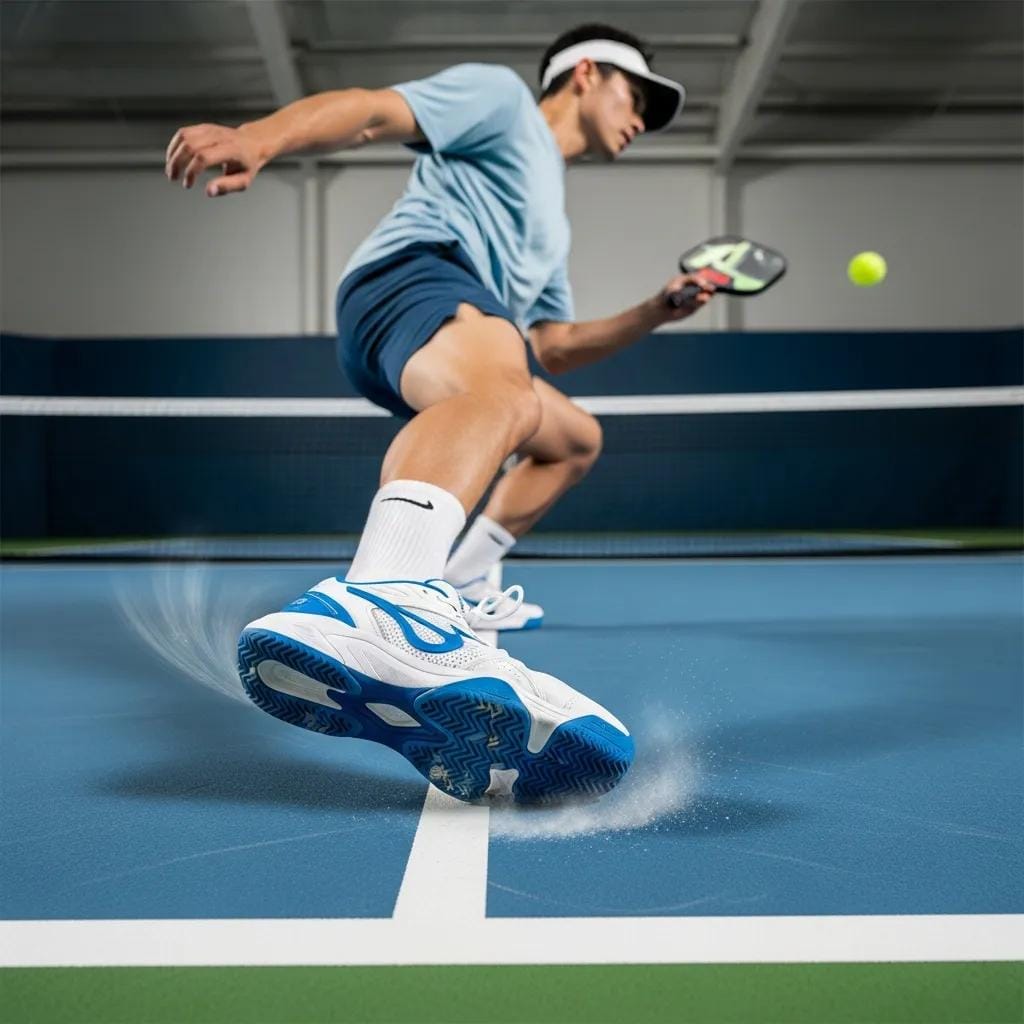
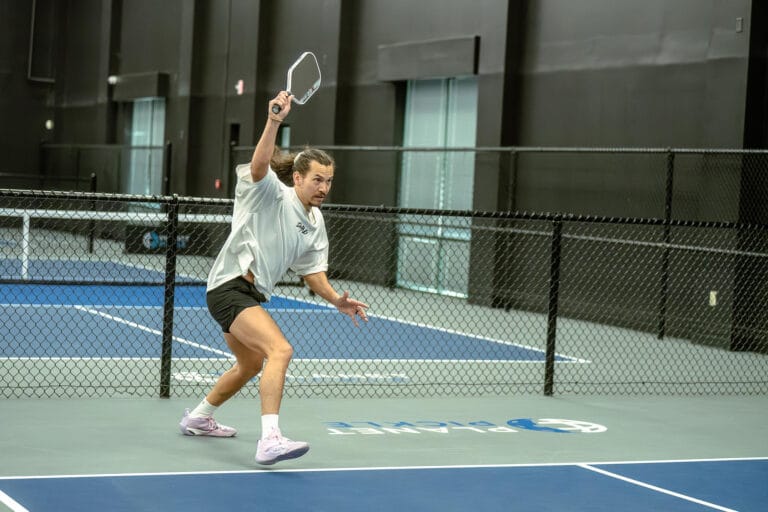
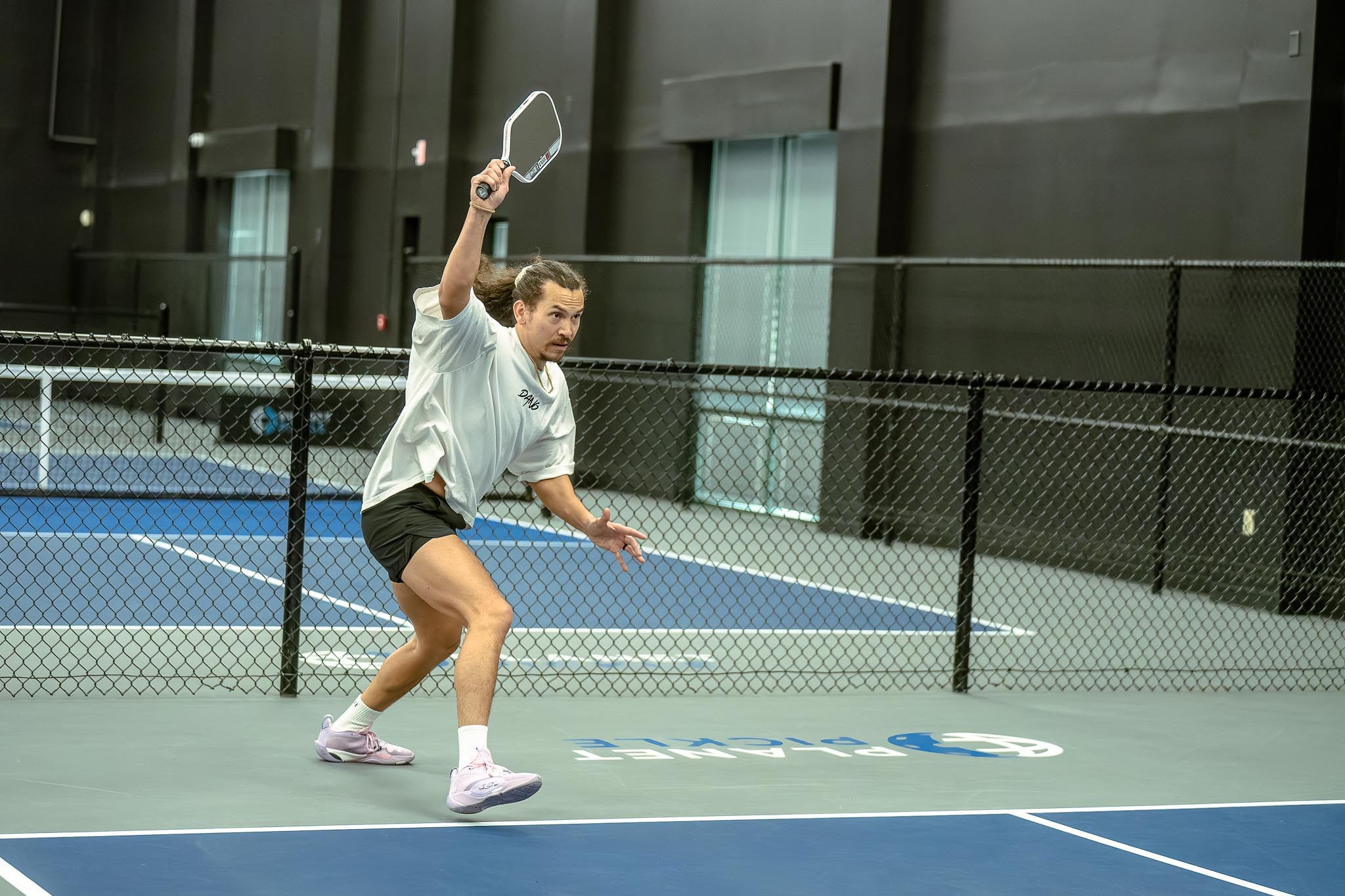
Pickleball is built around quick reactions. You are moving forward, back, and side to side in short bursts, with plenty of sharp pivots and sudden stops. That movement pattern is why dedicated court shoes matter.
The right shoes give you lateral support so your foot does not slide around inside the shoe when you cut to the side, and they use an outsole designed to grip the court without feeling sticky or unstable. Many players start in running shoes because they feel comfortable, but running shoes are designed for forward motion. On a pickleball court, that can translate to less control when you are moving laterally.
Tennis shoes are often a better starting point because they are built for similar side-to-side demands. Still, pickleball-focused models tend to be lighter and more responsive, which helps when you are making quick, repeated movements near the kitchen line.
They are often designed with court traction in mind, plus support features that match the stop-and-go rhythm of the game. Over a longer session, that can mean less foot fatigue and a steadier feel when you are changing direction quickly.
Footwear design and sports medicine guidance generally point to a simple idea: the closer your shoe matches the sport’s movement demands, the better it can support stability and help reduce avoidable injuries. For pickleball, that means choosing shoes made for court play rather than for road running.
Why Are Pickleball Shoes Different From Running Or Tennis Shoes?
The main difference comes down to stability. Pickleball shoes prioritize lateral support and predictable traction because side-to-side movement is constant.
Running shoes typically have more cushioning and a shape that supports a forward stride. That can feel great on a jog, but it may feel unstable during a quick lateral push, especially when the midsole compresses under the wrong kind of load. Some running shoes also have taller, softer soles, which can increase the risk of rolling an ankle when you stop hard or pivot.
Tennis shoes share a lot with pickleball shoes because tennis also requires lateral movement and quick changes of direction. The difference is that pickleball movements are often tighter and more frequent, with rapid resets and short, reactive steps.
Many pickleball-specific shoes aim to reduce weight, improve court feel, and fine-tune traction for common pickleball court surfaces. The goal is a stable base that still feels quick.
How Do Proper Shoes Prevent Injuries And Improve Stability?
A supportive pair of pickleball shoes can lower the risk of common court issues by keeping your foot more secure during movement. When your foot stays aligned and supported, you are less likely to slide inside the shoe, land awkwardly, or twist at the ankle during a fast change of direction.
A stable midsole helps control side-to-side motion, while cushioning helps absorb impact during repeated stops and starts. That combination supports balance and reduces unnecessary strain through the ankles, knees, and lower legs.
Fit is just as important as design. Shoes that are too loose can allow the foot to shift, while shoes that are too tight can create pressure points and fatigue faster. A good fit should feel secure through the midfoot, with enough room in the toe box to move comfortably.
When your shoes match your playing style and court surface, you will usually notice it in the small moments, like planting your foot for a quick volley or recovering after a wide step. Over time, the right shoes make staying comfortable and steady on court much easier.
Which Features Define The Best Pickleball Shoes?
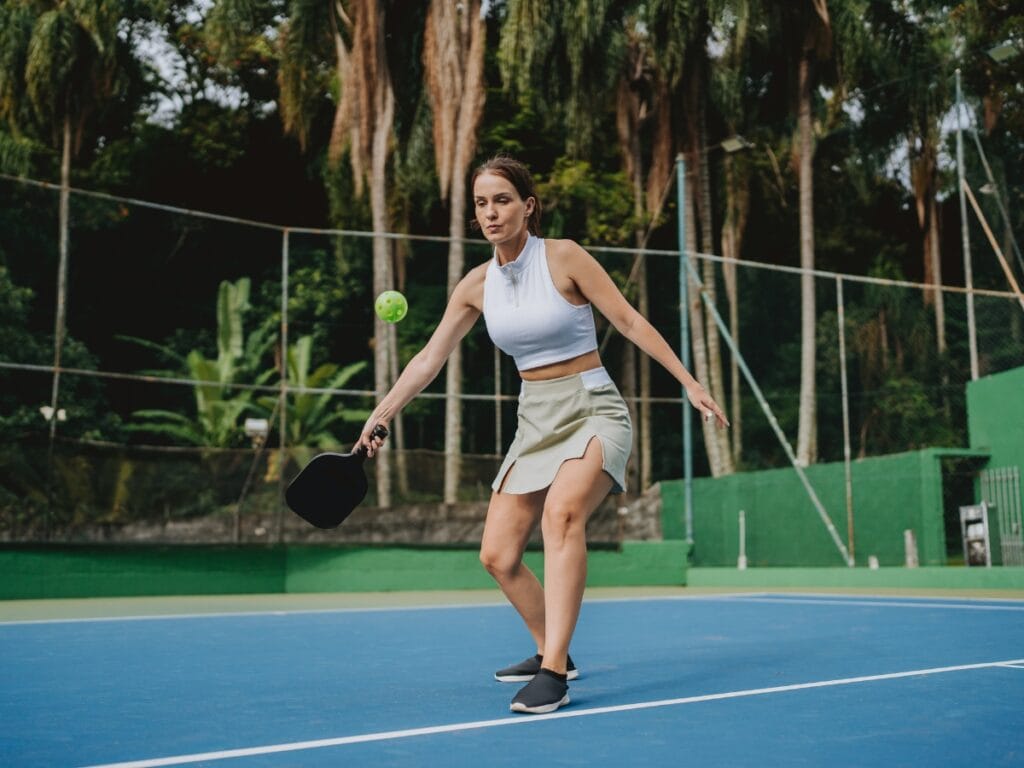
When you are shopping for pickleball shoes, it helps to focus on a few features that directly affect how you move and how you feel after a long session. Pickleball is fast, but it is also repetitive, with constant starts, stops, and quick changes of direction.
The right pair should support those movements without feeling heavy, clunky, or unstable. While brand and style preferences matter, performance usually comes down to traction, cushioning, support, and durability. Once you understand what each feature does, it becomes easier to match a shoe to your court surface and the way you play.
It is also worth remembering that the “best” shoe is not the same for everyone. A player who stays mostly at the kitchen line may prioritize quick grip and court feel, while a player who runs down lobs and covers more ground may want extra cushioning and stability. The goal is to choose shoes that help you move confidently, not shoes that force you to adapt your movement because they feel unpredictable.
How Does Traction And Grip Affect Quick Movements On Court?
Traction is one of the first things you notice when you step onto the court, and it can make or break your confidence.
Pickleball requires quick stops and sharp pivots, so you need grip that feels consistent in every direction. A reliable outsole helps you plant your foot and change direction without slipping, which is especially important during wide reaches, fast volleys, or quick recoveries after a dink.
Court surface plays a big role. Indoor courts typically call for non-marking rubber that grips smoothly without leaving scuffs behind. Outdoor courts are usually rougher, so shoes made for outdoor play often use a tougher outsole and a tread pattern designed to hold up over time.
The key is a predictable grip. Too little traction can lead to sliding, while overly aggressive traction can feel like it grabs the floor and slows your pivot. A good pickleball outsole finds the middle ground, giving you control without making movement feel forced.
What Role Do Cushioning And Support Play In Player Comfort?
Cushioning helps absorb impact from repeated stops, quick steps, and constant shifting. Over time, that impact adds up, especially for players who play several games in a row or spend long sessions on harder courts.
A well-cushioned shoe can reduce fatigue and help protect joints, but it should not feel so soft that you lose stability. If the midsole compresses too much, your foot may feel like it is rolling during lateral movement.
Support is what keeps your foot aligned when you cut side to side. Good midfoot and arch support help prevent your foot from sliding or collapsing during quick direction changes. A stable heel counter can also help keep the back of the foot secure, which matters when you are stopping suddenly or pushing off to move laterally. The best pickleball shoes balance cushioning and support so you feel protected without losing court feel.
Designers often have to manage a subtle trade-off here: midfoot stiffness versus flexibility. A slightly stiffer midfoot can improve stability and support, while a more flexible shoe may feel quicker and more natural. The right balance depends on your foot shape, comfort needs, and how aggressively you move on court.
How To Choose Durable And Comfortable Pickleball Shoes
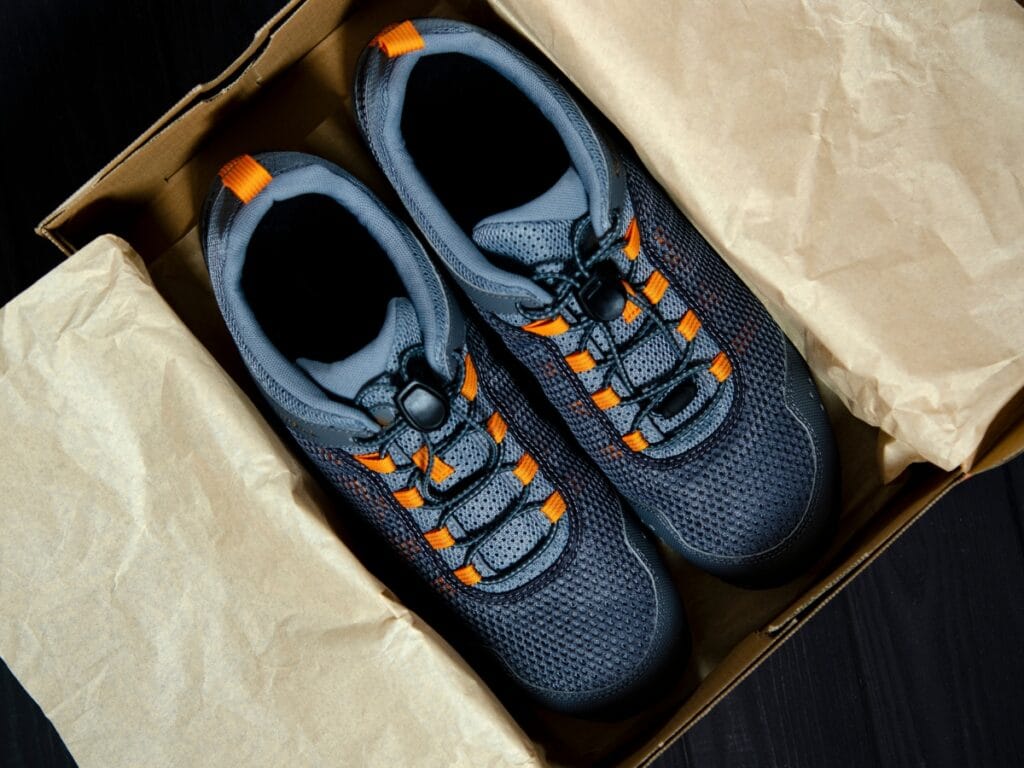
When you are choosing pickleball shoes, durability and comfort usually go together. A shoe that breaks down quickly often loses the support and stability that keeps you comfortable on court, especially during frequent lateral movement.
The best approach is to look past the style and focus on how the shoe is built, where it is reinforced, and whether the upper and outsole match how often you play. If you are on court regularly, small construction details can make a big difference in how long your shoes last and how your feet feel after a long session.
Comfort also depends on how well the shoe manages heat. Pickleball can be intense, and courts are not always forgiving. Breathable uppers help keep feet cooler, while a stable platform helps reduce fatigue. The goal is a pair of shoes that feel secure when you change direction, but still comfortable enough to wear through multiple games without hotspots or pressure points.
What Materials And Construction Ensure Long Lasting Performance?
Long-lasting pickleball shoes are built to handle wear in predictable places. The toe area and the outer edge of the shoe often take the most abuse from quick stops, pivots, and occasional dragging, so reinforcements there are worth prioritizing.
Uppers made from reinforced mesh can provide airflow without falling apart quickly, while synthetic leather overlays can add structure and durability. A reinforced toe cap is especially helpful if you tend to scuff or drag your front foot, and it can prevent early breakdown that leads to separation or tearing.
Outsole durability matters just as much. Outdoor courts, in particular, can chew through soft rubber faster, so a thicker, abrasion-resistant outsole tends to last longer. Look for solid rubber coverage in high-wear zones, not just foam exposed along the bottom.
A stable midsole construction can also extend the life of the shoe, since it helps the shoe keep its shape and prevents the uneven breakdown that leads to instability. If you play often or move aggressively, choosing shoes designed with abrasion-resistant materials along the toe and lateral edges can help you get more mileage before the shoe starts to feel worn out.
How To Find The Right Fit For Wide Feet And Arch Support Needs
Fit is one of the biggest factors in whether pickleball shoes feel good or become a problem. If you have wide feet, start by looking for models offered in wide sizing or built on a roomier shape.
A shoe that is too narrow can create pressure along the forefoot and lead to numbness or hotspots, especially during side-to-side movement. On the other hand, sizing up too much can make the shoe feel sloppy and reduce stability, so a true wide option is usually the better solution.
Arch support is equally important because pickleball involves constant, quick loading and unloading of the foot. If you need more support than the built-in insole provides, removable insoles are a plus because they let you add an orthotic or a more supportive insert.
When trying on shoes, it helps to do it later in the day when your feet are slightly larger. Take a few minutes to mimic the movements you actually make on court, including quick lateral steps and short stops, and pay attention to whether your heel stays secure. You should also have about a thumb-width of space at the toe so your feet do not feel cramped when you plant and push off.
The right pickleball shoes should feel stable, breathable, and comfortable from the start. When the fit is right and the construction matches your style of play, your shoes will support your movement and hold up longer, which is exactly what most players need.
What Are the Top Pickleball Shoe Brands and Models for Men and Women?
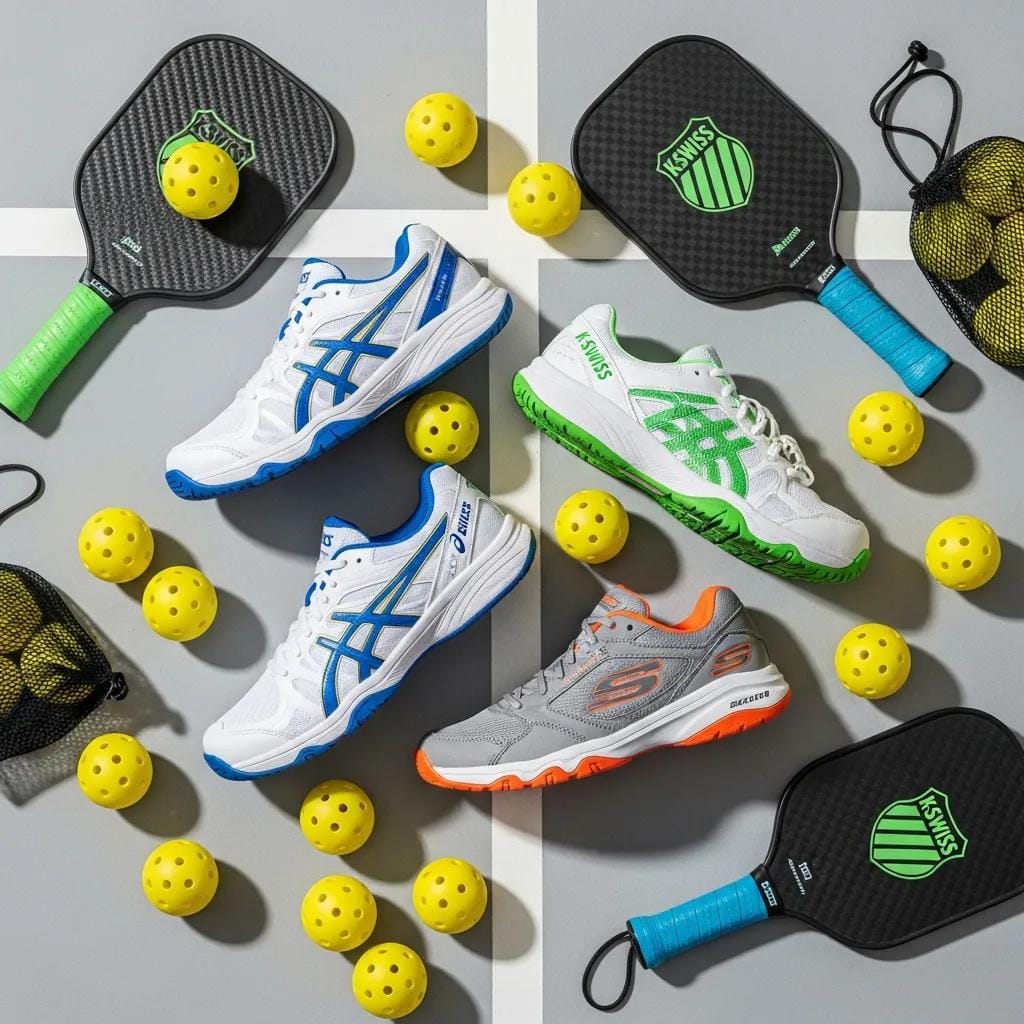
If you are shopping for pickleball shoes, it helps to start with brands that have a strong track record in court sports. Pickleball involves constant lateral movement, quick pivots, and short bursts of speed, so the best options usually come from tennis or court lines that already prioritize stability and traction.
From there, the “right” pick often depends on what you value most. Some players want a locked-in feel for hard cuts and fast recoveries, while others care more about cushioning for longer matches or joint comfort. It is also smart to consider court type and how often you play, because a soft, comfortable shoe that wears down quickly outdoors may not be the best long-term choice.
Across both men’s and women’s options, the most reliable brands tend to offer multiple fits and support levels, which makes it easier to find a pair that matches your foot shape. Many popular court models come in men’s and women’s versions, and some lines offer wide sizing, which can be a game-changer if you struggle with forefoot pressure or heel slip.
Which Brands Offer Superior Ankle And Lateral Support?
If ankle confidence and lateral stability are your top priorities, ASICS is often a strong starting point, especially models like the GEL-Resolution line, which is known for a secure, structured feel. K-Swiss is another brand many court players trust for durability and support, with models like the Hypercourt Express offering a stable platform that still feels comfortable over time.
Skechers has also built a following with court shoes that lean into comfort-focused cushioning while still providing the side-to-side support needed for pickleball, which can appeal to players who want a softer underfoot feel without an overly bulky build.
Other court-focused brands can be worth a look depending on your preferences. New Balance often gets attention for offering multiple widths in certain court models, which helps if you need a roomier fit without sizing up too far. Adidas and Nike both make respected tennis shoes that can translate well to pickleball, particularly for players who want a lighter, faster feel, though fit can vary more by model.
The best approach is to narrow it down to shoes designed for court movement, then choose based on how stable you feel when you push off laterally and come to a controlled stop.
What Are The Best Shoes For Indoor Vs. Outdoor Pickleball Courts?
Indoor and outdoor courts put different demands on a shoe, and matching the outsole to your main surface can make a noticeable difference in both grip and longevity.
For indoor play, non-marking rubber is the baseline, and a slightly smoother tread often provides quick, predictable traction without feeling like the shoe is grabbing the floor. Indoor courts can also highlight squeaking and stickiness, so a balanced outsole tends to feel more natural when you pivot.
For outdoor play, durability becomes more important. Outdoor surfaces are usually rougher, and they can wear down softer rubber faster, especially along the toe and the outer edge, where many players scuff during quick stops.
Outdoor-friendly shoes often use harder rubber and a tread pattern that holds up longer. Brands like Babolat and Wilson commonly label certain models as better suited for outdoor use, and many tennis shoe lines have versions built with tougher outsoles for frequent hard-court play.
If you split time between indoor and outdoor, you can either choose a durable all-court option or keep a dedicated pair for each surface. That second approach often saves money in the long run because you are not grinding down one pair of shoes on every type of court. Either way, prioritize court stability first, then choose the outsole that matches where you play most.
How to Use Pickleball Shoe Reviews to Make Informed Decisions

Pickleball shoe reviews can be genuinely useful, but only if you read them the right way. A single opinion rarely tells the full story, especially when comfort and fit are so personal.
The value of reviews comes from patterns. When multiple players mention the same strength or the same problem, that is usually a real signal about how the shoes perform on court. Reviews are also helpful because they highlight details you cannot learn from a product description, like whether the heel slips during quick stops or how the outsole holds up after regular outdoor play.
It also helps to be honest about what you need. If you play mostly indoors, traction and court feel may matter more than heavy-duty outsole durability. If you play outdoors several times a week, you may care more about wear resistance and how long the tread stays grippy.
Reviews give you a way to compare those factors before you spend money on a pair of shoes that does not match your routine.
What Criteria Should You Consider When Reading Shoe Reviews?
Start with fit, because a shoe can have great traction and support but still be a poor choice if it does not match your foot shape. Pay attention when reviewers mention that the shoe runs narrow, runs long, or feels tight in the toe box. Notes about wide feet, high arches, flat feet, or heel slip are especially useful because they help you predict whether the shoe is likely to work for you.
Next, look for feedback on lateral support and stability. Pickleball is full of side-to-side movement, so you want shoes that feel secure when you plant and push off. Reviews often mention whether the upper holds the foot in place during quick cuts, or whether the shoe feels wobbly when changing direction.
Traction is another key point. Look for consistent comments about grip on indoor courts versus outdoor surfaces, and pay attention to whether players say the outsole feels predictable when stopping and pivoting.
Cushioning is worth reading carefully because preferences vary. Some players want a softer feel for long sessions, while others prefer a firmer setup that keeps them closer to the court. When reviewers mention fatigue, joint comfort, or how the shoe feels after a long match, that is usually more informative than a simple “comfortable” rating.
Finally, check durability comments. Reviews that mention how the shoes look after a few weeks of outdoor play can tell you a lot about whether the outsole and toe area are likely to last.
How Do Player Testimonials And Expert Opinions Influence Choices?
Player testimonials are valuable because they show how shoes perform in real use. They often include details about how the shoe holds up over time, whether the tread wears unevenly, and whether the upper stretches or loosens after repeated play. You also get a sense of who the shoe works for, such as players who move aggressively versus players with a lighter style.
Expert reviews tend to explain why a shoe feels the way it does. They may describe the trade-off between a softer cushion and a more stable platform, or how midfoot structure affects lateral support.
Used together, these perspectives can help you narrow down options based on performance rather than hype. If expert reviewers say a model is built for stability and players confirm it feels secure on fast cuts, that is usually a strong match.
In the end, reviews help you choose shoes with fewer surprises. When you focus on repeated themes, match feedback to your court type, and prioritize fit and stability, you are far more likely to end up with shoes that feel right from the first session and stay reliable as you play more.
Frequently Asked Questions
What Should I Look For In Pickleball Shoes If I Have Specific Foot Conditions?
If you deal with flat feet, high arches, plantar fasciitis, or ongoing heel pain, the right pickleball shoes should feel supportive from the first wear.
Look for a stable midfoot, solid arch support, and cushioning that absorbs impact without feeling too soft. A supportive heel counter can also help keep your foot aligned during quick lateral movement, which is where many players start to feel strain.
Removable insoles are a big plus because they make it easier to use custom orthotics or a more supportive insert. Since fit and comfort vary widely, it is worth trying on a few shoes and paying attention to whether your heel stays secure and your forefoot has enough room to move naturally.
How Often Should I Replace My Pickleball Shoes?
How long pickleball shoes last depends on how often you play and whether you are mostly indoors or outdoors. Many regular players find they need a new pair somewhere within six to twelve months, but the more useful approach is to watch for performance changes.
If you notice traction slipping, uneven wear along the outside edge, or a worn spot under the forefoot, your shoes may not be supporting you the way they used to. You may also feel it as fatigue or soreness that shows up sooner than normal. Once the outsole loses grip or the midsole feels compressed, replacing shoes is usually the safer choice.
Can I Use My Running Shoes For Playing Pickleball?
Running shoes can work occasionally, but they are not designed for the demands of pickleball. Most running shoes are built for forward motion, with cushioning and shape that support a stride, not rapid side-to-side movement.
On a court, that can mean less stability during quick cuts and pivots, which can increase the risk of rolling an ankle. If you play regularly, shoes designed for court movement are usually a better fit because they provide more predictable traction and stronger lateral support.
What Are The Best Practices For Breaking In New Pickleball Shoes?
Breaking in new pickleball shoes should be gradual so you can confirm the fit before you rely on them for longer matches. Start with shorter practice sessions and increase your time on court over a few wears.
Moisture-wicking socks can help reduce friction, and paying attention to hot spots early can prevent blisters. If a pressure point does not improve after a few sessions, it is often a sign that the shoe shape is not right for your foot. A good pair of shoes should start to feel more comfortable as they settle, not more irritating.
Are There Specific Pickleball Shoes For Different Court Surfaces?
Yes, and the outsole is usually the biggest difference. Indoor court shoes typically use non-marking rubber and a smoother tread designed for quick grip without scuffing the floor. Outdoor shoes often use tougher rubber and a more durable tread pattern to handle rougher surfaces that wear down soles faster.
If you mostly play outside, choosing shoes built for outdoor durability can help you maintain traction longer. If you split time between both surfaces, it can help to keep separate pairs so you are not grinding down one outsole on every court type.
How Do I Clean And Maintain My Pickleball Shoes?
Keeping your shoes clean can help them last longer and perform more consistently. After play, brush off surface dirt and grit, especially around the outsole where debris can affect traction. Wipe the upper with a damp cloth as needed and let the shoes air dry away from direct heat.
Avoid machine washing, since it can break down adhesives and change the shape of the shoe. If you play often, rotating between pairs can also give cushioning time to rebound and reduce overall wear.
Final Thoughts: Elevate Your Pickleball Game with the Right Shoes
Choosing the right footwear is a game-changer for pickleball players, providing the lateral support, cushioning, and traction needed to move confidently and prevent injury on the court. While this guide helps you understand what to look for, putting those shoes to the test on a great court is the next step.
At Planet Pickle, we offer premier playing surfaces where you can experience the difference proper footwear makes. Ready to find your footing and elevate your game? Call 678-404-5792 today to book court time, join a program, and discover all the amenities that make Planet Pickle the premier destination for players of every level.