
At Planet Pickle, our coaching philosophy is built on the belief that every player, regardless of age or skill level, deserves a supportive, personalized path to improvement and enjoyment on the court. We focus on developing foundational techniques, strategic thinking, and a genuine love for the game through positive reinforcement and adaptive instruction.
This guide introduces our unique approach to pickleball coaching, detailing how we tailor lessons to meet individual goals, build confidence, and foster a thriving community of players at all levels.
Inside the Planet Pickle Coaching Philosophy
What Are The Core Principles Of Planet Pickle’s Coaching Philosophy?
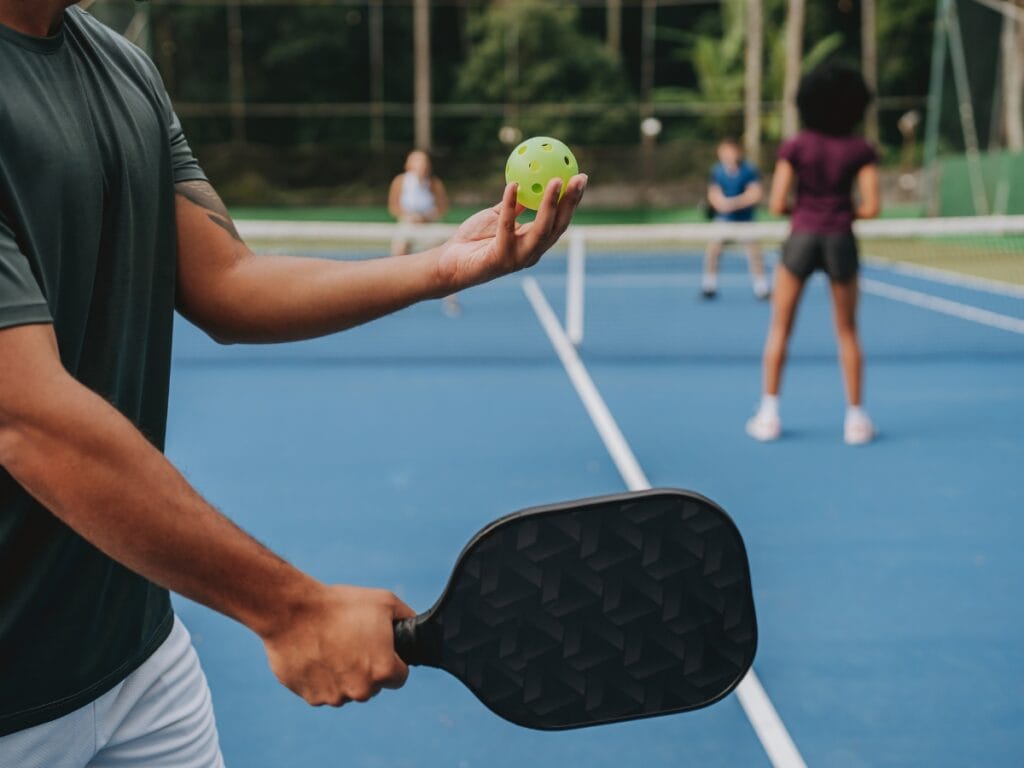
A strong coaching philosophy should be easy to explain and even easier to recognize on the court. At Planet Pickle, the coaching philosophy centers on three connected ideas: progressive learning, game-based training, and holistic development. Together, these principles help players improve in a way that feels structured, practical, and motivating. Players learn the right skills, they understand when and why to use them, and they build habits that support steady growth over time.
This coaching philosophy is designed for real people with real schedules. Some players want to sharpen competitive performance, while others want to feel more confident in open play or league matches. The approach stays consistent either way. It focuses on building a strong foundation, applying skills in realistic situations, and developing the kind of mental and physical readiness that carries into every match.
How Does Progressive Learning Shape Player Development?
Progressive learning means players do not get overwhelmed with too much information at once. Instead of jumping straight into advanced shots and complicated strategies, Planet Pickle coaches start with essentials and build from there. Players work on fundamentals like grip, footwork, contact point, and control, then layer in positioning, shot selection, and movement patterns as those basics become reliable.
This step-by-step approach makes improvement easier to track and easier to repeat. When a player can connect each new skill to something they already understand, progress feels more natural. It also reduces frustration, because the player is not guessing which piece to fix first. Practices stay focused on the next most important step, which leads to cleaner technique and fewer bad habits.
Progressive learning also supports confidence. When a player sees consistent improvement, they are more willing to try new shots, take smart risks, and stay composed when the pace picks up. That confidence matters because pickleball is fast and reaction-based. A player who trusts their fundamentals can make better decisions, even under pressure. Over time, this coaching philosophy creates athletes who are not just learning skills, but building a reliable game they can bring to any court.
Why Is Game-Based Training Central To Our Instruction?
Game-based training is where skills become usable. Many players can hit a shot well in a calm drill, but struggle to choose the right shot or execute under pressure during a real point. Planet Pickle’s coaching philosophy treats that gap as the main thing to solve. The goal is not just to practice a skill. The goal is to apply it at the speed and unpredictability of an actual match.
This is why game-based training is central. Coaches use scenario-based games and match simulations that recreate real point patterns, such as third-shot decisions, dinking exchanges, transition zone movement, and defending fast volleys at the net. Players learn how to read opponents, anticipate the next ball, and adjust quickly when a point changes direction. Instead of repeating a shot in isolation, players practice making decisions in context, which builds tactical awareness and faster reactions.
Game-based training also keeps practices engaging. Players stay more focused when they understand the purpose behind a drill and can feel how it connects to match play. It creates a practice environment where learning feels relevant, competitive, and fun, without becoming chaotic. In the end, this coaching philosophy helps players improve in the way that matters most: performing better when the score is real and the pressure is on.
How Does Planet Pickle Tailor Instruction for Beginner Pickleball Players?
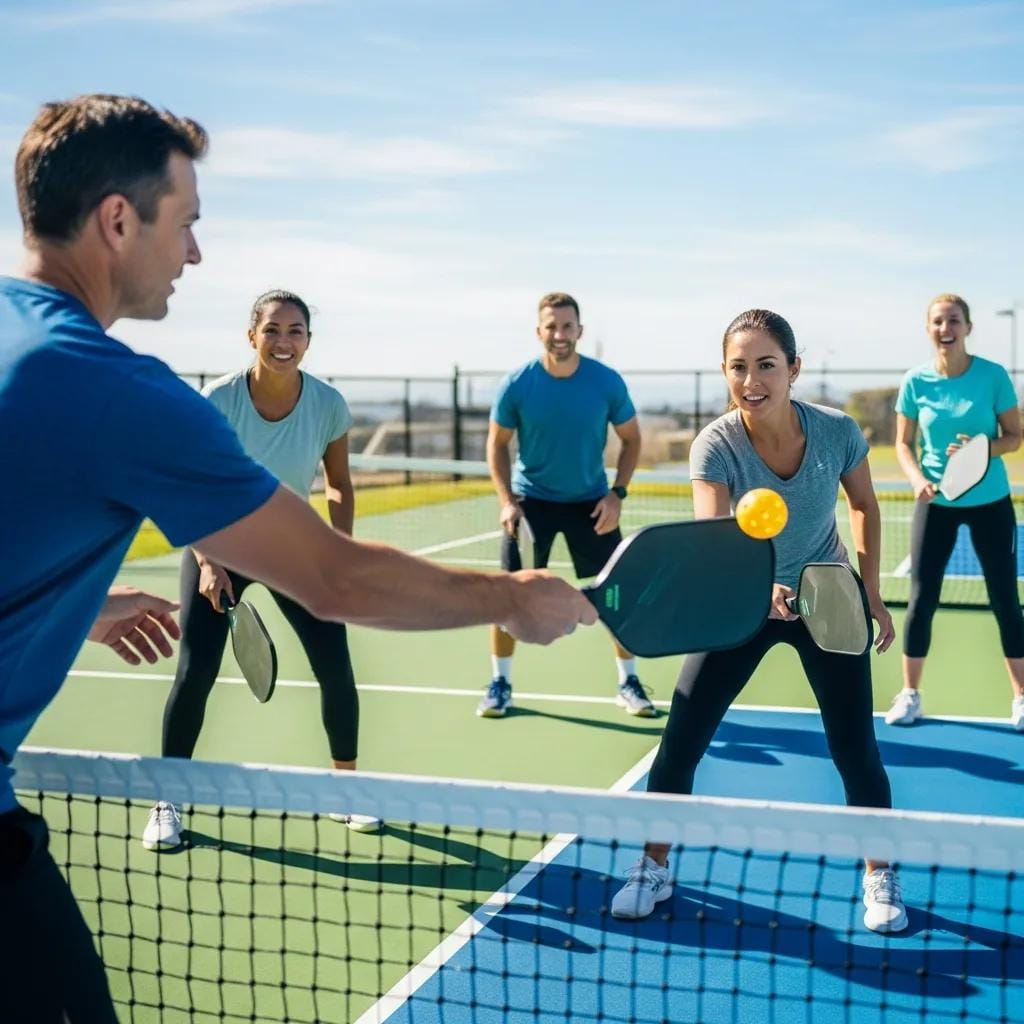
Beginners usually want the same thing, even if their goals are different. They want to feel comfortable on the court, understand what is happening during a point, and improve without feeling judged. Planet Pickle’s coaching philosophy is built to make those first steps clear and encouraging. Instead of throwing new players into advanced strategies or fast-paced drills right away, instruction is paced so fundamentals stick and confidence grows naturally.
A beginner-friendly program also has to be welcoming. Many new players show up excited, then get discouraged if they feel lost on scoring, court positioning, or basic shot technique. Planet Pickle addresses that by creating a low-pressure environment where questions are expected and mistakes are treated as part of learning. That approach helps beginners stay consistent, and consistency is what leads to real improvement.
This coaching philosophy also recognizes that beginners learn best when they can connect skills to real play. Players practice core mechanics, then apply them in guided situations that resemble actual points. That way, new skills do not stay locked inside a drill. They become usable during games, which is what keeps beginners motivated to return.
What Fundamental Skills Are Taught In Beginner Lessons?
Beginner lessons focus on the skills that make the game feel playable. That starts with basic strokes, including the serve, return, forehand and backhand groundstrokes, and the soft shots used near the net. Coaches also teach how to control the ball with consistent contact and how to move with purpose instead of chasing every shot. When beginners understand where to stand and how to move as a team, the game becomes less chaotic and more fun.
Rules and scoring are also a priority because confusion there can make new players feel behind even if they are improving physically. Instruction covers how serving works, how points are earned, and the basic flow of a game so players can step into open play without feeling unsure. Court positioning is taught in a practical way, with clear guidance on spacing, moving up to the non-volley zone line, and staying balanced during rallies.
By focusing on these essentials first, beginners get a clear path forward. Planet Pickle’s coaching philosophy is not about rushing players into flashy shots. It is about building a solid base so progress feels steady and frustration stays low.
How Do Beginner Programs Foster Confidence And Enjoyment?
Confidence comes from small wins that feel real. Planet Pickle’s beginner sessions are designed to create those wins through a mix of instruction, repetition, and supportive coaching. Players get clear feedback on what to adjust, but they also get encouragement for what they are doing right. That balance matters because beginners need correction, but they also need proof that they are improving.
The structure of the sessions is also meant to keep things enjoyable. Skill work is paired with drills that feel active and game-like, so practice stays engaging instead of feeling like a lecture. Beginners also benefit from learning alongside others at the same level, which removes the pressure of comparison and makes improvement feel shared. Over time, that social environment helps players stick with the sport, because they are not just showing up to practice. They are showing up to play with people they know.
Ultimately, this coaching philosophy keeps beginners coming back because it makes the learning process realistic. Players leave with practical skills they can use right away, a better understanding of the game, and the confidence to step onto the court without hesitation.
What Strategies Define Intermediate Pickleball Coaching At Planet Pickle?
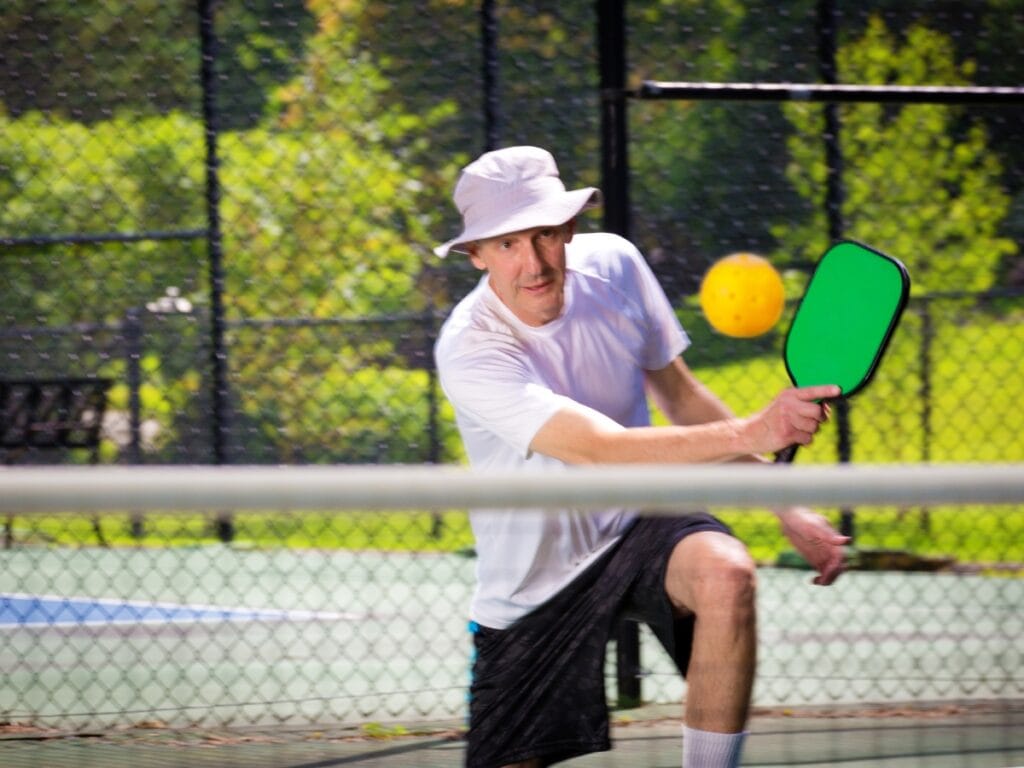
Intermediate players usually have the basics down, but their results can still feel inconsistent. One day, they are calm at the net and placing shots well. The next day, they rush points, miss routine balls, or get pulled out of position. Planet Pickle’s coaching philosophy is built for this stage because it focuses on the details that separate casual play from confident match performance. The goal is to improve consistency and decision-making without turning practice into information overload.
At the intermediate level, coaching becomes more targeted. Instead of practicing “everything,” players work on the situations that show up most often in real games. That might include building a reliable third shot, defending hard drives, controlling the transition zone, or winning more points at the kitchen line through patience and placement. The sessions add complexity in a structured way, so players can level up steadily and actually use what they learn.
This coaching philosophy also puts emphasis on repeatable habits. Intermediate players do not just need new tactics. They need a game they can trust when the pace increases. That means cleaner footwork, better balance, and choices that match the score and the opponent in front of them. When those habits improve, the game becomes less reactive and more controlled.
How Are Court Positioning And Shot Placement Developed?
Court positioning is one of the fastest ways for intermediate players to improve because it affects every point. Planet Pickle coaches focus on spacing, movement patterns, and knowing where to be before the ball arrives. Players practice staying connected with a partner, moving up together, and recovering efficiently after being pulled wide. This makes rallies feel less chaotic because players are not constantly scrambling to fix the last mistake.
Shot placement is taught as a skill, not a lucky outcome. Instead of swinging harder, players learn how to aim with intention. That includes targeting higher-percentage zones, using depth to keep opponents back, and choosing safer angles when the point is neutral. Intermediate players also work on recognizing when to reset the ball, when to attack, and when to keep the rally steady. Those decisions matter as much as technique because they reduce unforced errors and create more predictable point patterns.
Training is usually built around game-like drills, since placement and positioning only matter if they hold up under pressure. Players are put into realistic scenarios where they have to move, choose, and execute quickly. Over time, this coaching philosophy builds better instincts, not just better mechanics.
Which Programs Enhance Consistency And Tactical Play?
Intermediate improvement often happens faster when practice includes structured pressure. Planet Pickle offers formats like boot camps, competitive leagues, and focused practice blocks because they create repetition with accountability. Players get enough volume to build consistency, but they also get real feedback when choices break down.
Boot camps work well for sharpening specific skills quickly, especially when the focus is on common match situations like transition play or net exchanges. Competitive leagues provide regular play with a purpose, which helps players test new tactics and learn what holds up in a real game. Focused practice blocks allow players to work on a targeted set of skills across multiple sessions, which is often what it takes for changes to become automatic.
The common thread is intentional progression. Planet Pickle’s coaching philosophy uses these programs to help intermediates play smarter, stay composed in longer rallies, and develop the kind of tactical awareness that translates to better results in competitive games.
How Does Planet Pickle Elevate Advanced Players Through Specialized Coaching?
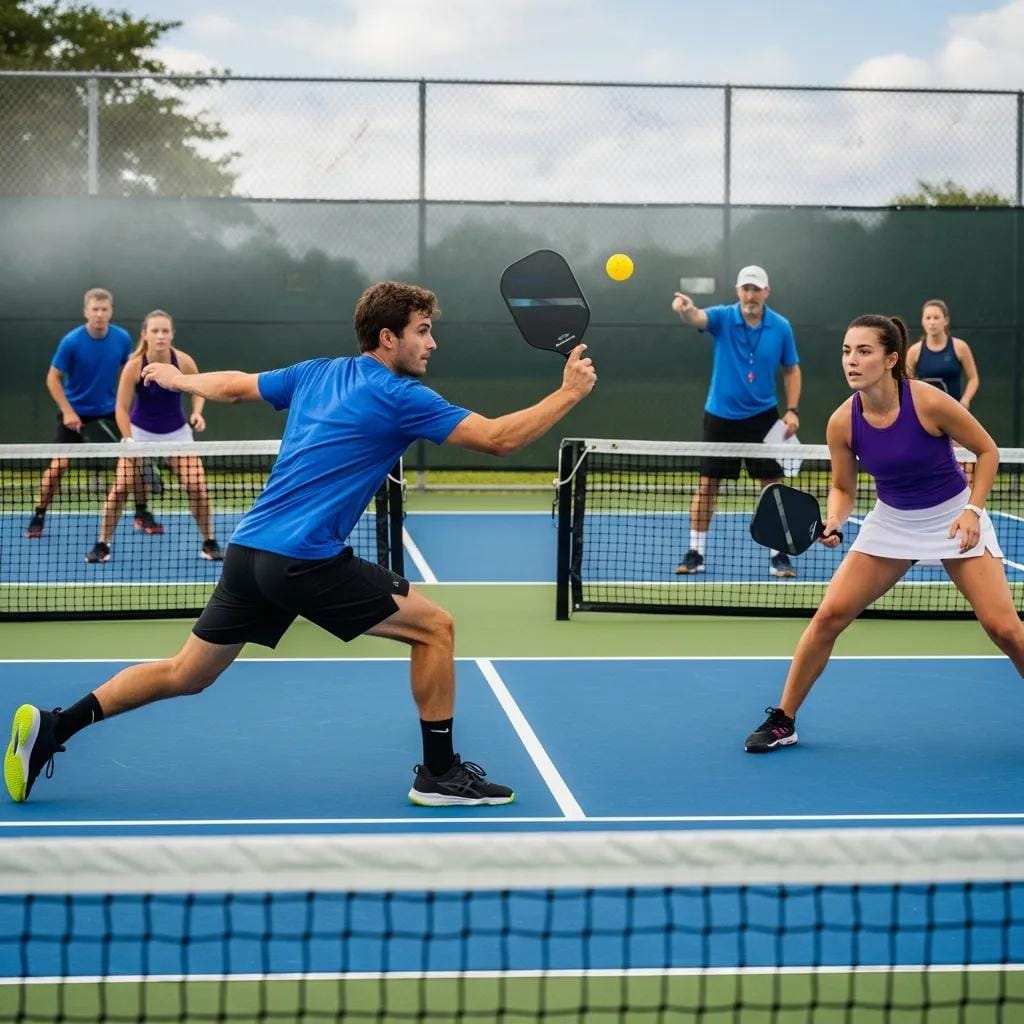
Advanced players usually do not need more information. They need sharper execution, better decisions under pressure, and a training environment that mirrors real competition. Planet Pickle’s coaching philosophy is built to meet that need by combining technical refinement with tactical planning and performance training. The goal is simple: help strong players turn their best practice level into their normal match level.
At this stage, small details create the biggest gains. Slight improvements in footwork timing, paddle angle, or shot selection can be the difference between winning a tight rally and giving away a free point. Coaching focuses on repeatable patterns, not random highlights. Players work on building points intentionally, defending without panic, and recognizing when to press and when to reset. This coaching philosophy is also built around accountability. Advanced athletes get clear feedback, measurable goals, and a training structure that pushes them without turning sessions into chaos.
Another key difference is specificity. Advanced training should match a player’s style, strengths, and typical opponents. Some players need better transition defense. Others need more disciplined shot selection at the kitchen line, or cleaner counters and speed-ups. The coaching is designed to identify those gaps quickly and address them with focused repetition.
What Advanced Drills And Tournament Preparation Are Offered?
Advanced sessions are centered on match simulation because the best way to improve performance is to practice the exact situations that decide matches. Drills are built around pressure points, such as closing out games, managing momentum swings, and handling targeted attacks. Players work through realistic sequences that include serve and return patterns, third-shot decision-making, and extended net exchanges where patience and placement matter more than power.
Tournament preparation also includes situational training. That can involve playing with specific scoring constraints, starting points at a disadvantage, or running repeat scenarios where one team must execute a clear plan to win the rally. The purpose is to make decision-making automatic when stress is high. When an advanced player has to think less about mechanics and more about strategy, they compete more consistently.
This coaching philosophy emphasizes transfer. If a drill does not translate to match performance, it gets adjusted. Training is meant to sharpen the skills that show up on the court when the game speeds up and the opponent is applying real pressure.
How Is The Mental Game Integrated Into Advanced Training?
At higher levels, the mental game is often what separates players with similar physical skill. Planet Pickle’s coaching philosophy treats mental training as part of performance, not a motivational add-on. Players work on staying composed after mistakes, resetting quickly between points, and keeping focus on the next decision instead of the last error.
Training can include simple focus techniques that help players manage nerves and maintain clarity during tight moments. Visualization is also used as a performance tool, helping athletes rehearse key situations so they feel more familiar in real matches. Over time, this builds confidence that is based on preparation, not hype.
Resilience is another priority. Competitive matches rarely go perfectly, and advanced players need a mindset that can handle adversity without spiraling into rushed decisions. When athletes learn to stay steady, communicate well with a partner, and adjust tactically mid-match, they become harder to break. That is the heart of an effective coaching philosophy at the advanced level: preparing players to perform when it matters, not just when conditions are easy.
How Does Planet Pickle Engage Youth And Families In Pickleball Development?
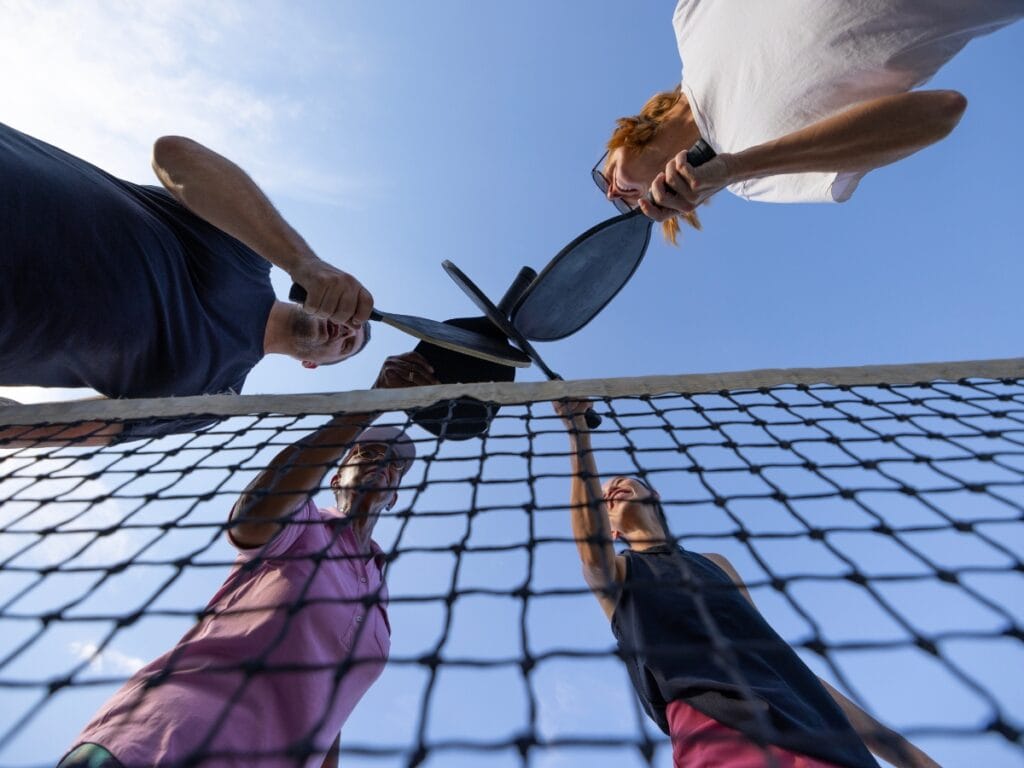
Pickleball works well as a family sport because it is social, active, and accessible for a wide range of ages. At Planet Pickle, youth and family programming is not treated as an add-on. It is a core part of the community focus and a key piece of the overall coaching philosophy. When kids learn early, they build comfort on the court, develop better movement patterns, and gain confidence in a sport they can continue playing for years. When families learn together, the sport becomes something everyone looks forward to, not just another activity on the calendar.
This coaching philosophy is built around making the experience welcoming while still teaching real skills. Youth players need clear instruction and plenty of repetition, but they also need an environment that feels supportive and fun. Families need structure too, especially when parents and kids are at different levels. Programs are designed to meet people where they are, keep the pace manageable, and make sure every session includes learning and play.
Another reason youth and family development matters is community. When families participate together, they create connections with other players, build routines around active time, and feel more invested in the sport. That social side is often what turns a few lessons into a long-term habit.
What Skills And Values Are Emphasized In Youth Clinics?
Youth clinics focus on fundamentals, but they also focus on habits and values that make young athletes better teammates and more confident competitors. Planet Pickle teaches the basics of strokes, serving, movement, and court positioning in a way that is age-appropriate and easy to understand. Coaches break skills into simple steps, then reinforce them through active drills that keep kids engaged and moving.
Alongside technique, the clinics emphasize teamwork and sportsmanship. Kids learn how to communicate with a partner, how to stay composed after mistakes, and how to respect opponents and teammates. Those lessons matter because pickleball is fast and interactive. Players are close to each other, points move quickly, and emotions can rise. A solid coaching philosophy teaches kids how to handle that environment with maturity.
Coaches also work on game awareness in a gradual way. Rather than overwhelming kids with tactics, they introduce simple ideas like moving with a partner, aiming with purpose, and choosing higher-percentage shots. That builds game sense over time, which helps young players feel more in control during real points.
How Do Family Programs Promote Active Learning And Bonding?
Family programs are designed to help parents and kids learn in the same space without anyone feeling left behind. Sessions typically combine instruction with guided play, so families practice skills together and then use them in game-like situations. This creates a shared experience where everyone improves, even if skill levels are different. Parents build a better understanding of the game, kids feel supported, and the family gets active time that feels fun rather than forced.
A strong coaching philosophy also recognizes that bonding happens through cooperation, not just competition. Families learn how to rally, rotate, and communicate, which encourages teamwork and keeps the tone positive. As the basics improve, families can transition more easily into open play or casual matches, since everyone understands the rules, scoring, and flow of the game.
Over time, these programs help pickleball become part of a family routine. Kids gain confidence, parents improve alongside them, and the sport becomes a consistent way to stay active together. That long-term engagement is the real goal, and it is why youth and family development sits at the center of Planet Pickle’s coaching philosophy.
Who Are The Certified Coaches Behind Planet Pickle’s Instruction Philosophy?
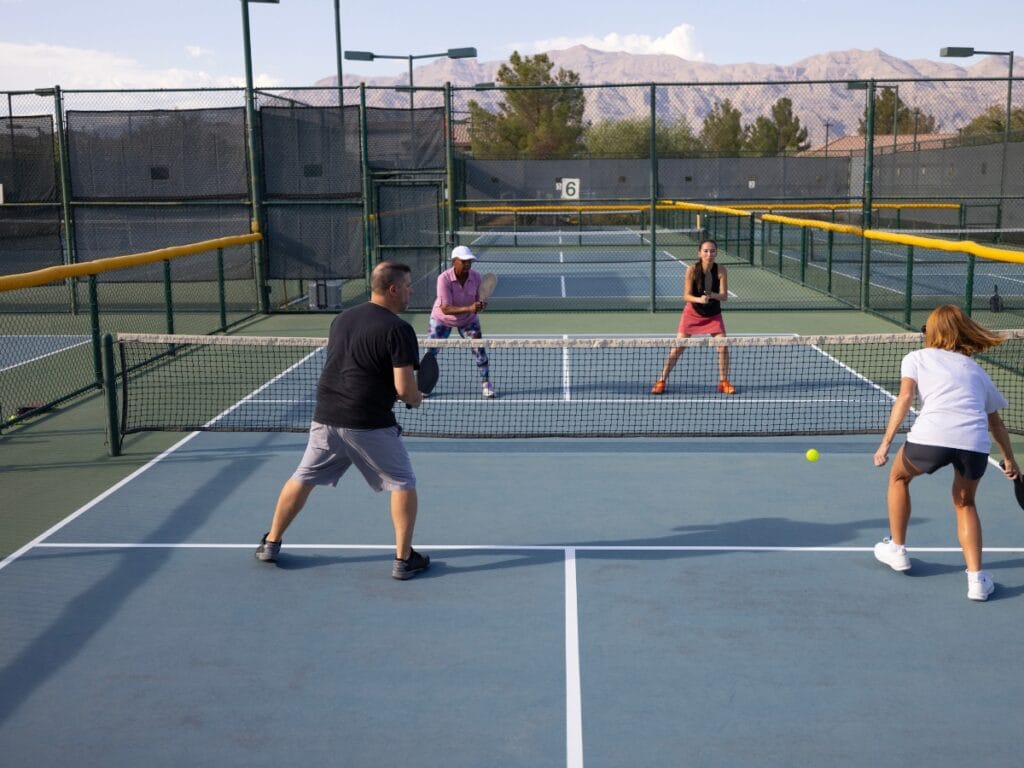
A coaching philosophy only works if the people teaching it can deliver the same standard consistently. At Planet Pickle, the coaching philosophy is brought to life by a team of certified coaches who focus on player development, clear communication, and training that translates to real matches. Players come in with different goals, backgrounds, and comfort levels, so the coaching staff is built to support beginners who are learning the basics as well as experienced athletes who want sharper execution under pressure.
What makes a coaching team effective is not just the ability to play well. It is the ability to teach well. That includes breaking down skills into clear steps, spotting patterns quickly, and giving feedback in a way players can apply immediately. Planet Pickle’s coaching philosophy emphasizes steady progress, which depends on coaches who can meet players where they are while still keeping instruction structured and purposeful.
What Qualifications And Expertise Do Our Coaches Bring?
Planet Pickle coaches bring a mix of certification, experience, and teaching skill. Many coaches hold recognized pickleball credentials, including USAPA-related certifications and other reputable training programs. Certification matters because it reflects a baseline of knowledge around technique, rules, safety, and instruction standards. It also supports consistency, so players can expect a similar approach and language across different sessions.
Experience is equally important. Coaches with varied backgrounds can recognize different learning styles and common skill gaps at each level. A coach who has worked with beginners understands how to teach fundamentals without overwhelming. A coach who has trained competitive players knows how to refine decision-making, spacing, and shot selection when the game speeds up. That range of expertise supports a coaching environment where every player can find a clear path forward, which is at the center of the Planet Pickle coaching philosophy.
Strong instruction also relies on observation and communication. Coaches are trained to see the small details that create big changes, like footwork timing, paddle angle, spacing with a partner, or when a player is choosing low-percentage shots under pressure. When those details are identified early, players improve faster and with less frustration.
How Do Coaches Personalize Training For All Skill Levels?
Personalization is what turns general advice into real progress. Planet Pickle coaches start by assessing the player’s current ability, habits, and goals. That might include watching a player in drills, evaluating consistency on common shots, and noting how they move and position in points. From there, coaching becomes more intentional. Instead of working on everything at once, players focus on the next most important skills for their level.
Goal-setting is part of this process, but it stays practical. Coaches help players define what improvement looks like, whether that means a more reliable serve, better third-shot choices, or stronger transition play. Drills are then selected to target those goals with repetition and accountability. Players receive clear feedback during practice, and sessions are adjusted based on what is improving and what still breaks down under pressure.
Progress tracking does not have to be complicated to be effective. The key is consistency. When players work on the same core focus areas over several sessions, they build habits that hold up in real games. That is why the coaching philosophy emphasizes structured progression and usable skills, not random variety.
In the end, the coaching team is what makes the Planet Pickle coaching philosophy real. Certifications and experience set the foundation, but personalization and teaching clarity are what help players improve, enjoy the process, and keep moving forward at every level.
Frequently Asked Questions
What Age Groups Are Suitable For Pickleball Coaching At Planet Pickle?
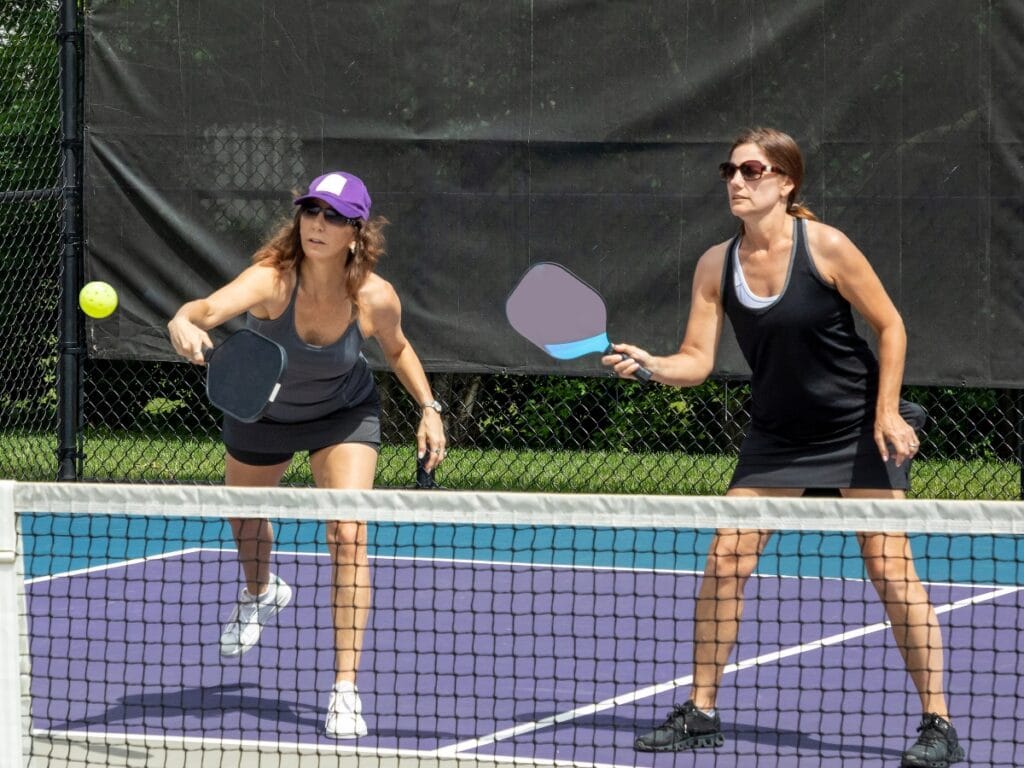
Planet Pickle offers coaching for a wide range of ages, from young kids to adults. Many youth programs begin around age six, since most children can follow basic instructions, move safely on court, and enjoy simple game play at that stage. From there, classes are typically grouped by age and skill so players are learning alongside others at a similar level. Adults also have options that range from beginner instruction to more competitive training. The goal is to match each player to the right pace and environment, which is a key part of the Planet Pickle coaching philosophy.
Are There Any Competitive Opportunities For Players At Planet Pickle?
Yes. Planet Pickle offers competitive formats such as leagues, tournaments, and boot camps that give players a chance to apply what they have learned in real match conditions. These opportunities matter because practice and competition develop different skills. Training builds technique and habits, while match play reveals decision-making, composure, and teamwork under pressure. Many programs also include coaching feedback, which helps players understand what is working and what needs attention. This fits the coaching philosophy of building skills that transfer to games, not just drills.
How Can Parents Get Involved In Their Children’s Pickleball Journey?
Parents can support their kids by being present in a way that keeps the experience positive. Family programs are a simple starting point because they allow parents and kids to learn together, practice together, and build confidence as a team. Outside of structured sessions, parents can help by encouraging consistent attendance, practicing basic skills at home or during open play, and showing interest in progress without turning every session into a performance review. Planet Pickle’s coaching philosophy values long-term development, so steady support and a fun tone usually work better than pressure.
What Is The Importance Of Sportsmanship In Pickleball Coaching?
Sportsmanship is a core part of healthy competition and a major focus in coaching. Pickleball is a social sport, and players often share courts, rotate partners, and compete against the same people regularly. Respectful behavior keeps the environment enjoyable and helps players learn how to handle both wins and losses well. Coaches encourage players to compete with intensity while still showing courtesy, communicating clearly with partners, and staying composed during disagreements. This is not just about manners. It supports focus, teamwork, and confidence, all of which are part of a strong coaching philosophy.
How Does Planet Pickle Support Players With Special Needs?
Planet Pickle aims to be inclusive and supportive for players with different needs and abilities. Coaches adapt instruction and pacing so players can participate safely and enjoy the sport. That might mean simplifying a drill, adjusting repetition, or focusing on specific movement patterns and coordination goals. The emphasis stays on progress and enjoyment, not comparison. This approach reflects the coaching philosophy of meeting players where they are and building a positive path forward.
What Equipment Is Recommended For Beginners In Pickleball?
Most beginners do best with a lightweight paddle that feels comfortable in the hand and is easy to control. A standard pickleball is all you need to get started, and many programs will have balls available during lessons. The most important piece of equipment is often footwear. Court shoes with good traction and lateral support help prevent slips and reduce strain during quick movements. As players improve, they can explore paddles with different weights and shapes, but starting simple makes it easier to focus on fundamentals, which aligns with the Planet Pickle coaching philosophy.
Conclusion
At Planet Pickle, our coaching philosophy is rooted in the belief that every player, regardless of age or skill level, deserves personalized instruction that builds confidence, refines technique, and ignites a lifelong passion for the game. Through a supportive, encouraging environment and proven teaching methods, we help beginners find their footing and advanced players elevate their strategy. Ready to experience the Planet Pickle difference? Call 678-404-5792 today to book a lesson, join a clinic, or explore our full range of programs. Let’s unlock your potential and make every game your best game yet.