
Understanding common pickleball faults is essential for both improving your own game and ensuring fair, rule-abiding play on the court. From the non-volley zone violation (or “kitchen” fault) to foot faults on the serve and double bounces, these infractions are frequent points of confusion and contention for players of all levels. This guide breaks down the most common pickleball faults, explaining what they are, how to avoid them, and why the rules exist to keep the game fun, fast-paced, and fair for everyone.
Pickleball Faults That Happen More Often Than You Think
What Is A Pickleball Fault And Why It Matters
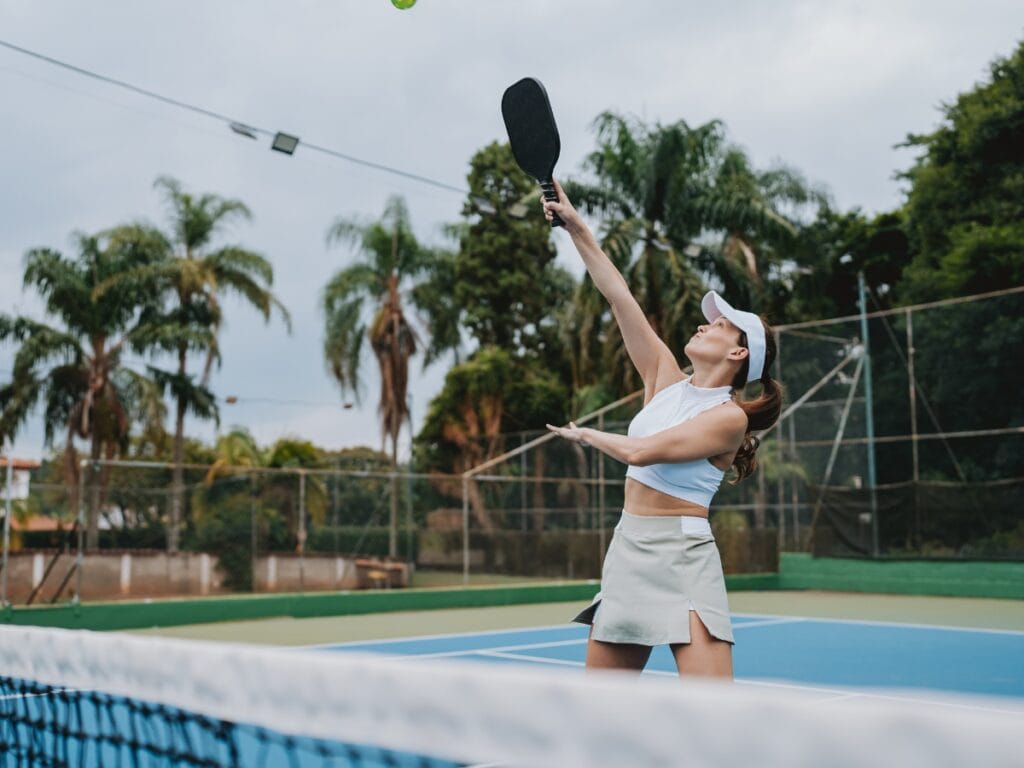
Pickleball faults are rule violations that stop play and either give your opponent a point or hand over the serve, depending on how the game is being scored. They can feel frustrating because many of them happen quickly, especially during serves and fast exchanges at the net. Still, understanding pickleball faults is one of the easiest ways to improve your results without changing your athletic ability. When you know what counts as a fault, you make fewer avoidable mistakes, keep rallies alive longer, and stay in control of your side of the court.
Faults matter because pickleball is a momentum game. One sloppy serve or a rushed volley into the net can flip the energy of a match. A few unforced errors can also give opponents “free” points or easy side-outs, which is why experienced players often focus on consistency more than risky shots. Cutting down on pickleball faults is not about playing timidly. It is about knowing the boundaries of the rules so you can play aggressively when the moment is right and play smart when it is not.
How Faults Change The Flow And The Score
A fault immediately ends the rally. That can be a small reset or a major swing, depending on the situation. If you fault on a serve, you lose the chance to start the point on your terms. If you fault during a rally, you may hand over a point or allow the other team to win a side-out and start scoring. Either way, faults create sudden stops, and those stops can change the rhythm of the game.
Faults also change decision-making. A team that is committing repeated errors will often start second-guessing shots. That hesitation leads to more mistakes, especially near the net where reaction time is short. On the other side, opponents gain confidence when they see easy points coming from errors rather than earned winners. Keeping pickleball faults to a minimum helps you stay composed and makes your opponents work for every point.
In many games, the score does not reflect who hit harder or moved faster. It reflects who made fewer mistakes at the right times. When you reduce pickleball faults, you extend rallies, apply steady pressure, and give yourself more chances to win points through smart placement and patience.
Which Faults Happen Most Often
Some faults are common because they happen at the most stressful moments, like serves and quick exchanges near the kitchen line. Serving faults are among the most frequent. A serve that lands out of bounds, hits the net, or lands in the wrong service area ends the point before it starts. Players also fault by stepping on or over the baseline while serving, which can happen when someone rushes or tries to generate extra power.
Net faults are another frequent issue. During rallies, players often hit the ball into the net when they swing too hard, take the ball too low, or try to do too much with a difficult shot. This is especially common when returning a fast volley or trying to hit a passing shot under pressure. A cleaner approach is to aim higher over the net with more margin and rely on placement instead of forcing speed.
Kitchen faults, also known as non-volley zone violations, are another major source of errors. Players commit these faults when they volley while standing in the kitchen or when their momentum carries them into the kitchen after a volley. This tends to happen when players get excited at the net and lean forward to attack the ball. Learning to control footwork and balance at the kitchen line is one of the quickest ways to reduce pickleball faults and keep points alive.
Finally, some faults happen because players lose awareness of basic boundaries. Hitting the ball out of bounds is common in fast games, especially when players are aiming for sharp angles or deep shots near the baseline. These are not always “bad” mistakes, but if out balls are happening often, it usually means the player is aiming too close to the lines without enough control.
Why Learning Faults Improves Your Game Faster
Once you understand the most common pickleball faults, you can start recognizing patterns in your own game. If most of your errors happen on serves, you can focus on consistency and placement. If net errors dominate, you can adjust your targets and shot selection. If kitchen violations are frequent, you can work on balance, spacing, and discipline at the line. Small changes in these areas often lead to quick improvement because faults are such a direct path to lost points.
The goal is not to play perfectly. The goal is to make your opponents earn points instead of handing them away. When pickleball faults go down, confidence goes up, rallies last longer, and matches become more enjoyable because you are playing the game instead of stopping it.
How to Spot and Avoid Illegal Serves
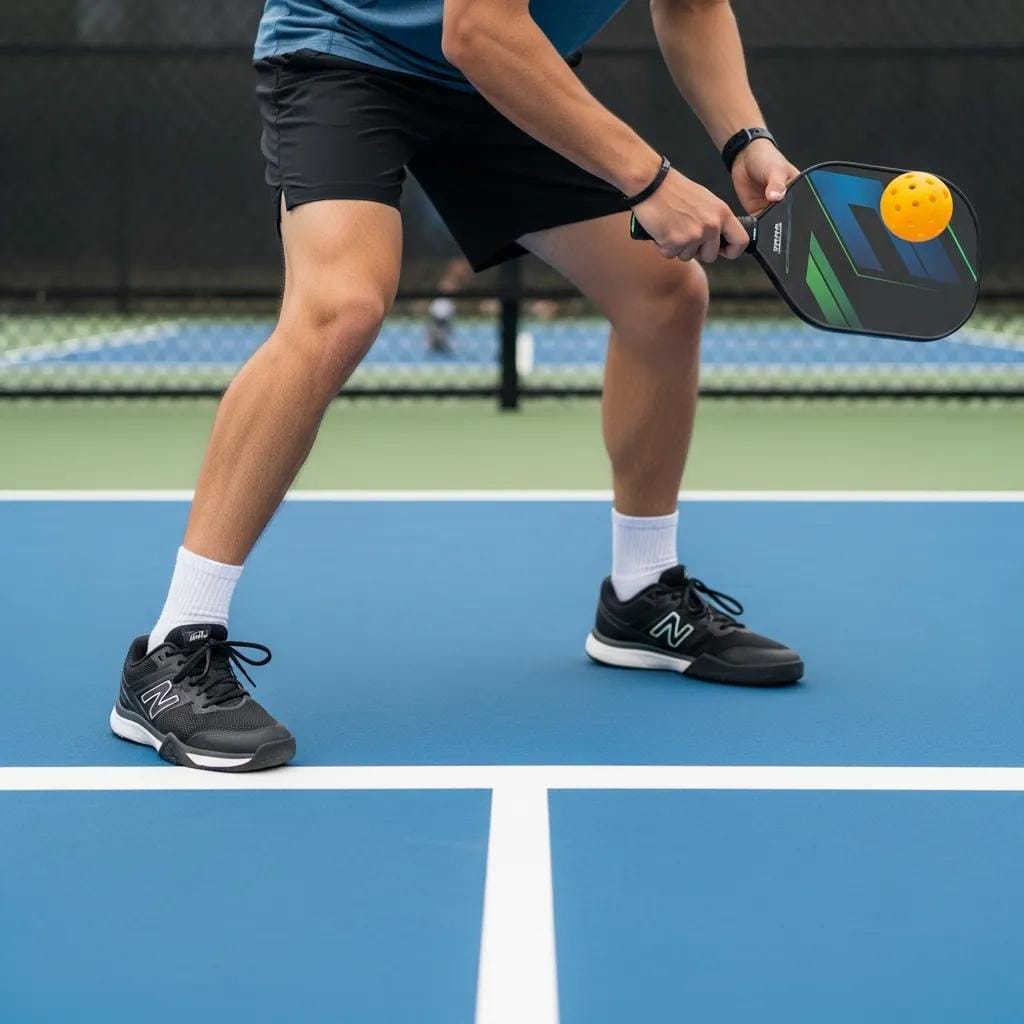
Serve mistakes are one of the fastest ways to rack up pickleball faults, especially when you are trying to add pace or spin before your mechanics are consistent. The good news is that most illegal serves come from a few repeat habits: contact that is too high, feet that creep over the baseline, or a serve motion that does not match the type of serve you are using. Once you know what to watch for, you can keep your serve simple, legal, and reliable.
A clean serve does not need to be flashy. It needs to start the rally on your terms and avoid giving away easy points. That starts with understanding the two serve options most players use: the volley serve and the drop serve. Each has its own requirements, and confusing them is a common cause of pickleball faults.
When Is A Serve Illegal?
A volley serve is illegal if you break the core serve-motion rules. USA Pickleball’s rules state that, on a volley serve, your arm should be moving in an upward arc at contact, paddle contact must not be made above waist level, and the head of the paddle must not be above the highest part of the wrist at contact. In everyday terms, if you are striking the ball around chest height, or if your paddle face and wrist position look “over the top” at contact, you are creating a serve that is likely to be called illegal.
Foot faults are another big one. At the moment you strike the serve, your feet must be behind the baseline and within the imaginary extension of the court lines. If your toe is on the line, or you step over early, the serve is a fault. This tends to happen when players rush their routine or try to generate extra power by stepping through the motion.
It is also important to separate volley serves from drop serves. A drop serve is permitted, and when you use a drop serve, the volley-serve motion requirements above do not apply. That is why many players like the drop serve. It simplifies legality because you are hitting after the ball bounces. However, “drop serve” still means drop. If you toss the ball upward, throw it downward, or otherwise add force rather than letting gravity do the work, you are risking an illegal serve in many play settings. If you want the simplest approach, release the ball from your hand and let it fall naturally.
Any 2026 Rule Changes On Serves?
For the 2026 season, USA Pickleball published rule updates and clarifications. One change in the serving section clarifies serve placement language: the served ball must clear the opponent’s non-volley zone and land in the correct service court, with an explicit fault listed when a served ball lands outside the correct service court. This is a wording clarification more than a change to what players already do, but it is a helpful reminder that serve placement is non-negotiable.
If you want to stay current, the safest habit is to rely on the latest official rulebook and yearly change document rather than older summaries. USA Pickleball’s rules page also keeps the key serving requirements easy to reference, including the difference between volley serve requirements and drop serve flexibility.
A Simple Way To Reduce Serve Faults Fast
If you are trying to cut down on pickleball faults, focus on consistency over power. Keep contact comfortably below waist level on volley serves, pause long enough to confirm your feet are set behind the baseline, and choose one serve style you can repeat under pressure. The more repeatable your serve is, the fewer free points you hand away before the rally even begins.
The Kitchen (Non-Volley Zone): Why It Exists and How to Stay Legal
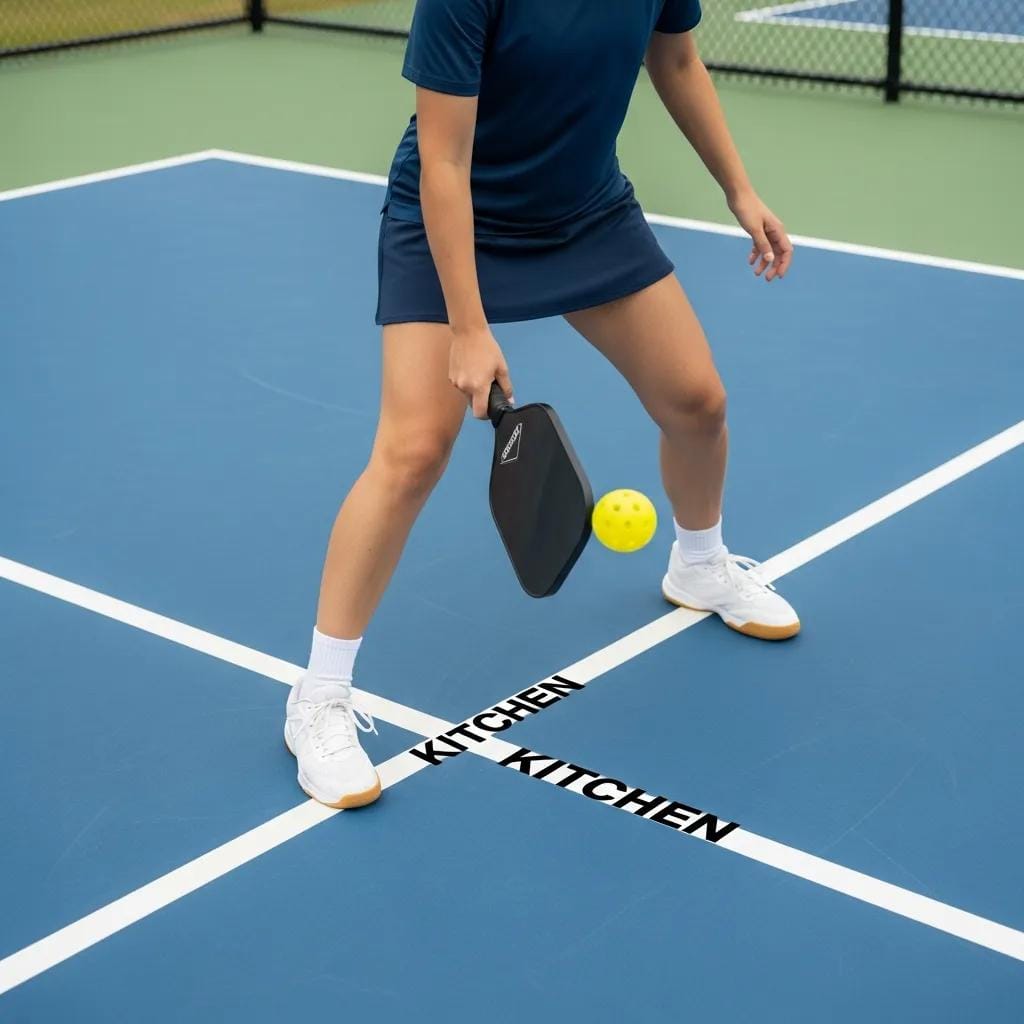
If you are trying to cut down on pickleball faults, the kitchen is one of the first areas to master. The kitchen, officially called the non-volley zone, is the seven-foot section on both sides of the net. It exists for a simple reason: it prevents players from camping at the net and smashing volleys downward from point-blank range. Without this rule, rallies would end too quickly and the game would favor height and reach over placement, touch, and timing.
When you understand what the kitchen is designed to do, the rule starts to feel less like a “gotcha” and more like a framework that makes the sport fun. It encourages dinking, resets, and smart shot selection, especially during fast exchanges. It also forces players to control their bodies, not just their paddles, which is why so many pickleball faults happen here, even for experienced players.
Why Volleying In The Kitchen Is A Fault
A volley is any ball you hit out of the air before it bounces. Volleying while you are standing in the kitchen is a fault because it creates an unfair advantage at the net. If players could stand right at the net and volley freely, they could attack almost every ball straight down with very little reaction time for the opponent. The non-volley zone pushes players back just enough to keep points playable and to reward accuracy and patience.
The rule also applies to more than just your shoes. If any part of your body, your clothing, or your gear touches the kitchen during the act of volleying, it is a fault. That includes your hat brim, a swinging paddle, or anything you are wearing that brushes the line or the area inside it. It sounds strict, but it is consistent, and it is meant to prevent players from gaining extra reach or balance by drifting forward at contact.
How Momentum Creates Kitchen Faults
The kitchen rule is not only about where you are standing. It also covers what happens immediately after a volley. If you hit a volley outside the kitchen, but your momentum carries you into the kitchen afterward, that is still a fault. This is one of the most common kitchen-related pickleball faults because it often happens during fast hands battles at the line. You reach for a ball, punch a volley, and your body naturally follows the shot forward.
Momentum faults can also happen when you are off balance or leaning. Even if your feet are outside the kitchen at contact, stepping in right after because you were lunging or stretching counts against you. The rule is designed to prevent players from essentially volleying “through” the kitchen and benefiting from net proximity.
How To Avoid Kitchen Line And Momentum Faults
Avoiding kitchen faults is mostly about footwork, balance, and decision-making. The first habit is learning to stop your forward movement at the line. When you volley near the kitchen, focus on staying tall through your torso and keeping your weight from tipping forward. Many players find it helpful to think about bracing their stance so the volley is controlled rather than rushed.
The second habit is choosing to let the ball bounce when you are tight to the line and feel yourself drifting. If you are not confident you can volley without stepping in, take a half-step back or simply allow the ball to bounce if it is going to land in the kitchen. A bounced ball in the kitchen is legal to hit, and choosing the bounce is often the smarter play, especially when you are under pressure.
Finally, practice a consistent recovery after each shot. After a volley exchange, reset your feet and return to a stable position. When players get tired or excited, they tend to creep forward without realizing it. Building a repeatable “hit and recover” rhythm helps keep your body honest, which reduces the easiest pickleball faults to avoid.
Kitchen discipline will not just keep you legal. It will also improve your patience and shot selection at the net, which usually leads to longer rallies and more points won through smart placement instead of rushed swings.
Pickleball Foot Faults: What To Watch For
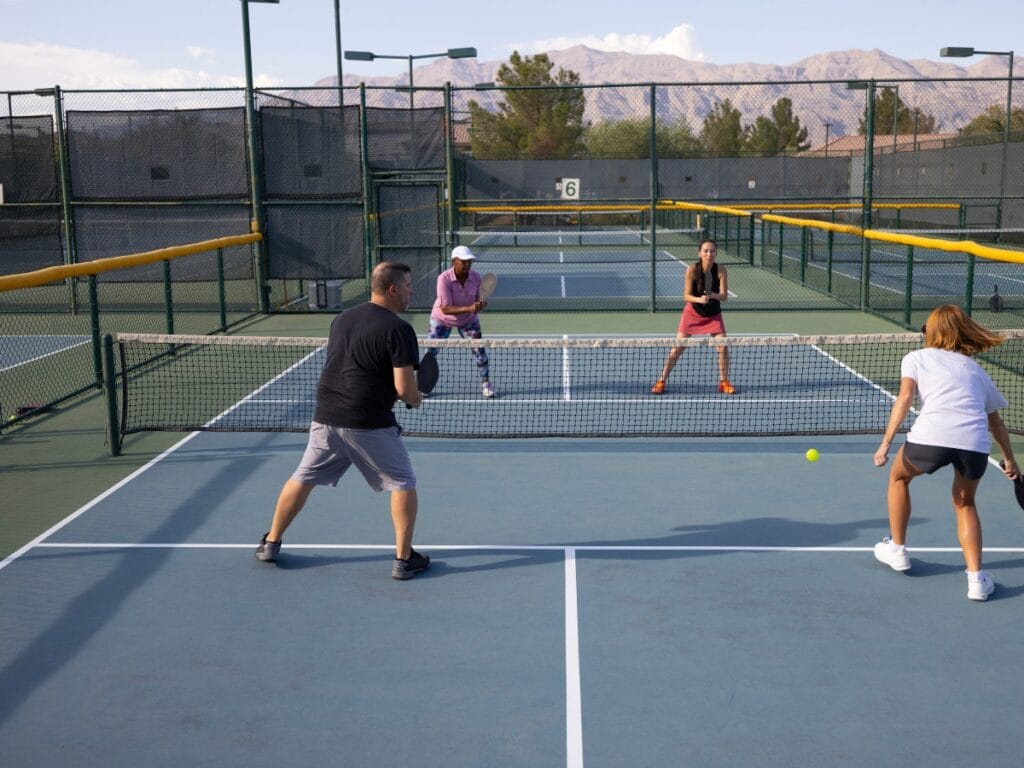
Footwork mistakes are some of the easiest pickleball faults to clean up, but they are also some of the most common. That is because they happen in moments where players are focused on the ball, not their feet. A foot fault is exactly what it sounds like: your feet are in the wrong place at the wrong time, either during the serve or at the kitchen line while volleying. These faults can feel unfair when you are new to the rules, but they are consistent once you know what to watch for.
The key to avoiding foot faults is understanding when the rules apply. In pickleball, timing matters. It is not just where your feet are. It is when they are there.
When Do Foot Faults Occur?
On the serve, a foot fault happens if you touch the baseline or step over it before you strike the ball. The same goes for stepping outside the imaginary extension of the sideline while serving. The important moment is paddle contact. Your feet must be behind the baseline and within those line extensions until the paddle hits the ball. Many players lose points here because they start walking into the court as they serve, especially if they are trying to add power or aim to a corner. A serve can be solid and still be a fault if your foot is on the line at contact.
Foot faults also show up at the kitchen line, which is why they often get grouped with other kitchen-related pickleball faults. If you hit a volley, meaning you strike the ball out of the air before it bounces, you cannot be standing in the non-volley zone. You also cannot step on the non-volley zone line during that volley. What trips players up is that momentum counts. If you volley outside the kitchen but your momentum carries you into the kitchen after the volley, that still counts as a fault. This happens a lot during fast exchanges when players lean forward and follow the shot without realizing it.
Why Foot Faults Are So Common
Foot faults are rarely about not knowing the rules. They are usually about body control. Serving foot faults happen when your rhythm is rushed and you start moving forward before contact. Kitchen foot faults happen when you are reaching and reacting, and your balance shifts forward at the wrong time. The faster the point gets, the more likely you are to drift.
This is also why foot faults are one of the most frustrating pickleball faults. You can hit a good shot and still lose the point because your body placement did not match the rule.
Drills And Tips To Prevent Foot Faults
A consistent serving stance is your best defense. Before you serve, set your feet with a comfortable buffer behind the baseline rather than right on it. That small adjustment gives you room for natural movement without accidentally stepping on the line. It also helps to slow down your serving motion in practice and pay attention to when your weight shifts. When the serve feels automatic, that forward drift often disappears.
For kitchen foot faults, work on controlled approaches and controlled stops. Practice volleying at the line without stepping through the shot. A simple way to build this habit is to focus on a stable base, keep your chest more upright, and recover back to balance after contact instead of leaning forward. If you feel yourself tipping into the kitchen, let the ball bounce when possible. A bounced ball in the kitchen is legal to hit, and choosing the bounce can prevent easy mistakes.
If you want fewer pickleball faults, treat footwork like part of the shot. Clean feet lead to clean points. Once you stop giving away serves and volleys to foot faults, your game becomes steadier and your opponents have to earn more of their points.proaches and landings so you don’t unintentionally step into the kitchen.
The Double-Bounce Rule: Why It Exists And Common Mistakes
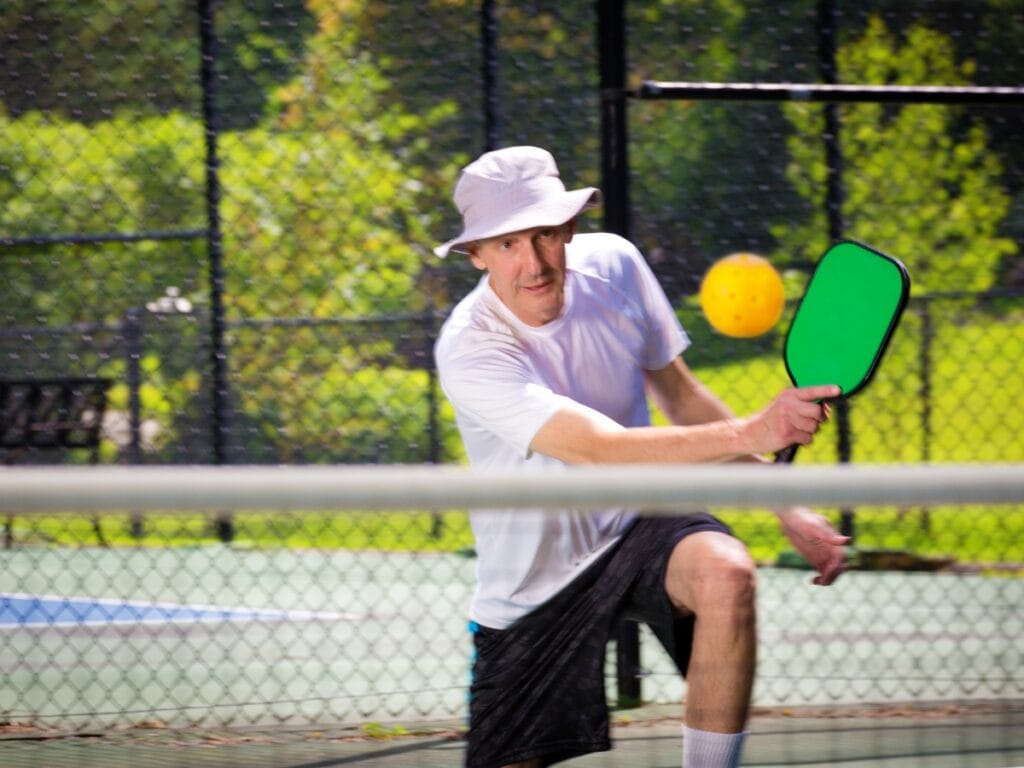
If you are trying to reduce pickleball faults, the double-bounce rule is one of the most important rules to understand early. It is also one of the easiest to forget in the middle of a fast point. The rule is simple, but it has a big impact on how the game flows. It prevents the serving team from rushing the net and ending rallies too quickly, and it gives both sides a fair chance to settle into position before volleys take over.
Pickleball is often won at the net, but the double-bounce rule forces players to earn that position first. It creates a short “neutral” phase after the serve that helps rallies develop and keeps the game from turning into a quick exchange of smashes right away.
What Is The Two-Bounce Rule And Why It’s Important?
The double-bounce rule, also called the two-bounce rule, applies at the start of every point. After the serve, the receiving team must let the ball bounce before returning it. Then the serving team must also let the returned ball bounce before hitting it. Only after those two bounces have happened, one on each side, can either team volley. In other words, the serve must bounce, the return must bounce, and then the point can speed up.
This rule matters because it creates balance. Without it, the server could rush forward and volley the return immediately, putting the receiving team under pressure before they have a chance to recover from the serve. The two-bounce requirement slows the pace just enough to allow both teams to get organized. It also encourages a more strategic start to the rally. You often see the serving team hit a deeper return after the bounce and then work their way toward the kitchen line rather than sprinting forward immediately.
When you remember the two-bounce rule, you play with better control. You will choose higher-percentage shots early in the point and avoid the kind of rushed swing that leads to unforced pickleball faults.
What Usually Triggers Double-Bounce Faults?
Most double-bounce faults happen because players get excited and volley too early. One common mistake is the receiving player stepping in and volleying the serve before it bounces. This often happens when the serve is soft or short and looks tempting to attack. Even if the shot feels easy, it is still a fault if the serve has not bounced on the receiving side.
Another frequent error happens on the serving team’s next shot. After the receiver returns the serve, the serving team must let that return bounce before hitting it. Newer players, and even experienced players in quick games, sometimes volley that return out of habit, especially if they are already moving toward the net. That one moment of impatience leads to a fault that gives away a point or the serve without the opponent having to do much.
These faults also show up when players lose track of the rally sequence. In doubles, it is common for one partner to assume the other has let the ball bounce, or to step forward automatically because that is what you do later in the point. If you are not both thinking about the first two bounces, you can end up volleying too soon.
A simple mental cue helps: bounce, bounce, then volley. Once both sides have completed their required bounce, you can play your normal net game. Until then, your job is to be patient, keep the ball in play, and avoid handing away pickleball faults in the easiest part of the rally.
A Quick Habit That Helps You Stay Legal
When you are serving, expect the return to come back quickly and plan to hit it after the bounce. When you are returning serve, give the ball space to land and focus on a controlled return that buys you time. Those two habits reduce double-bounce mistakes and set you up for better positioning at the kitchen line. The rule exists to create longer rallies, and once you play into it, you will find your points feel more stable and less rushed.
Other Common Faults Every Player Should Know
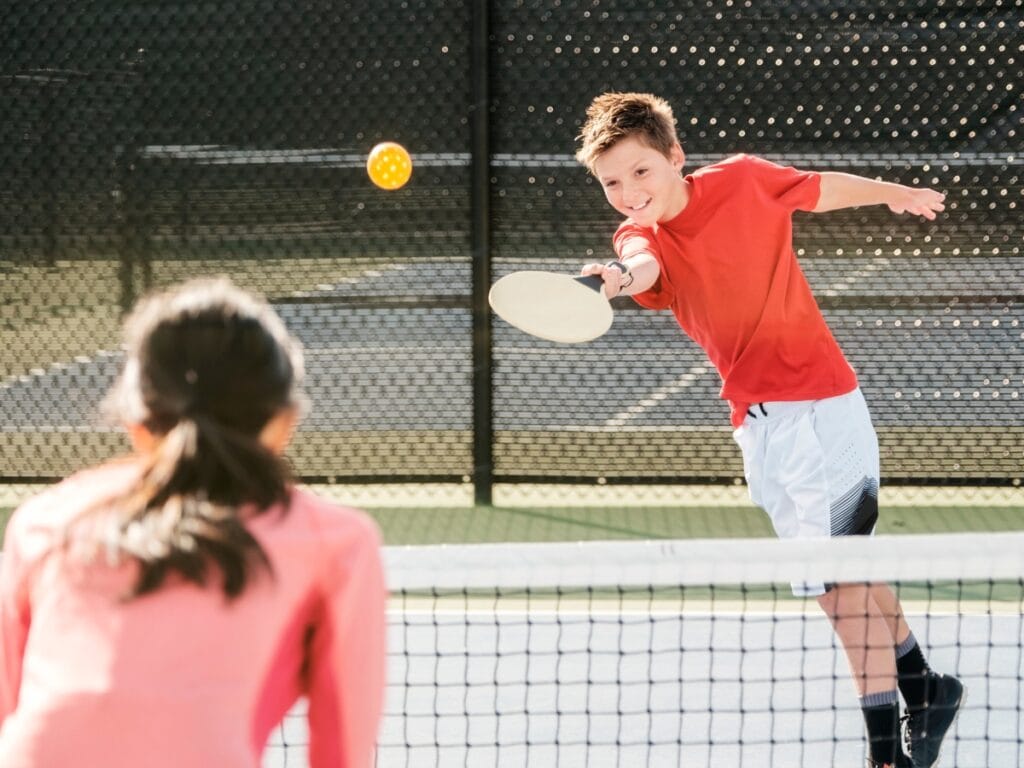
Most players learn about serve rules, kitchen violations, foot faults, and the double-bounce rule early on, but there are other pickleball faults that show up regularly in real matches. These are often the ones that cause confusion or disagreements because they happen quickly. When you understand them, you can keep play smooth, avoid unnecessary penalties, and stay focused on the next point instead of getting stuck in a rules debate.
A good rule of thumb is this: pickleball rewards clean contact, clear boundaries, and safe play around the net. Many of the “extra” faults fit into one of those categories.
How Line Calls Can Impact Fair Play
Line calls can decide games, especially when points get faster and shots land close to the baseline or sideline. The tricky part is that line calls are not just about winning a point. They set the tone of the match. Honest calls keep the game enjoyable and prevent tension from building.
In most recreational settings, each side makes calls on their own side of the court, and the expectation is that if you are not sure, the ball is considered in. Close calls happen, and different players handle them differently, but the best approach is consistency. If you are confident the ball was out, call it clearly. If you are not confident, keep playing. Some groups choose to replay a point when there is genuine uncertainty or when both teams acknowledge they did not see it clearly, but that decision depends on the format and the agreement among players.
Clean line calling reduces avoidable drama and keeps pickleball faults from turning into arguments. When everyone trusts the calls, the match moves faster and feels more competitive in a good way.
Net Contact, Carry, And Double-Hit Faults: What They Mean
Net contact is a straightforward fault. If you touch the net or the net system during play, that is a fault. This often happens when players reach for a low volley or get too close during a hands battle at the kitchen line. It can also happen after a shot, when momentum carries you forward. The easiest prevention is body control. Stay balanced at the line and avoid stepping into your shot.
A carry is when the ball does not rebound cleanly off the paddle, and instead appears to rest on the paddle face or be guided rather than struck. Carries are more likely to happen during soft shots, like dinks, when the paddle face is too open or the wrist gets loose. In fast exchanges, a carry can also happen when a player tries to scoop the ball upward instead of using a short, controlled punch. Clean contact usually comes from a firm paddle face and a compact swing.
A double hit is when the ball contacts the paddle twice in one continuous attempt. This is most common on awkward defensive shots, quick body shots, or when a player panics and swats at the ball. It can also happen in doubles when partners both reach and the ball contacts both paddles. Double hits usually signal a positioning issue or a rushed swing rather than a technique problem alone.
Understanding these pickleball faults helps because it changes what you focus on in practice. If you keep touching the net, work on stopping your momentum. If you are carrying the ball, tighten up the paddle face and shorten your swing. If double hits happen often, focus on spacing, communication with a partner, and staying calm under speed.
Why These Faults Are Worth Learning
These rules are not about nitpicking. They exist to keep play fair and predictable. When you know the common faults beyond the basics, you will play with more confidence and fewer unnecessary errors. The biggest improvement often comes from avoiding the easy mistakes, and learning these pickleball faults gives you a practical way to do exactly that.
Frequently Asked Questions
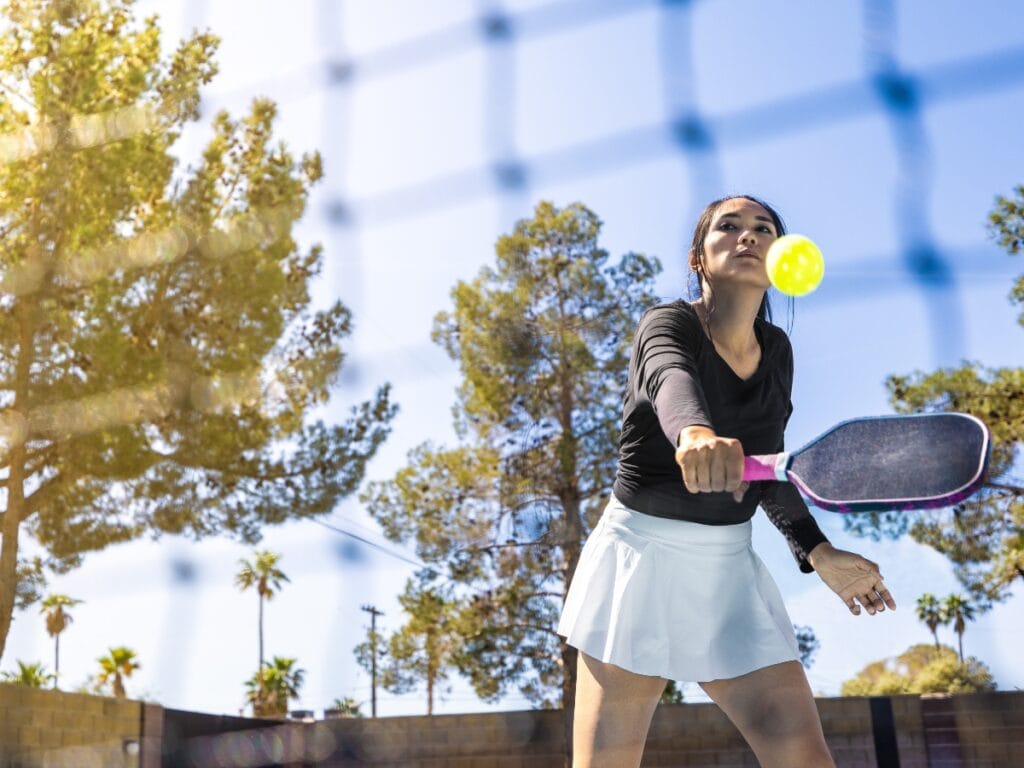
What happens when you commit a fault in pickleball?
A fault usually gives the other team the point or the serve. That swing can change momentum quickly, so reducing avoidable faults is one of the fastest ways to win more points and stay in control during a match.
How can players get better at knowing the rules?
Read the official rulebook, watch short instructional videos, and play regularly with folks who call games by the book. Clinics and local coaches can speed up learning, and discussing borderline calls with teammates helps cement the rules in your head.
What practical strategies cut down on faults?
Focus on basics: consistent foot placement for serves, disciplined movement around the kitchen, and letting the ball bounce when required. Pre-serve routines, targeted drills, and playing relaxed but focused points all reduce mistakes.
Are there drills to practice avoiding common faults?
Yes. Set up serve targets to improve accuracy, drill quick lateral movements and stop drills to avoid foot faults, and practice volley exchanges near the kitchen line with a partner to manage momentum and positioning.
How should players handle disputes over line calls?
Keep it calm and respectful. If a call is close and tensions rise, replay the point. Agreeing on how you’ll handle close calls before the match starts avoids most arguments.
Where can I learn more about pickleball rules and technique?
Start with the USA Pickleball website for official rules and updates. Add video tutorials, local clinics, and books by trusted coaches to your toolbox. Joining a club or community group is also one of the fastest ways to learn through play.
Conclusion
Understanding common pickleball faults—from foot faults and kitchen violations to double bounces—is essential for playing by the rules and improving your game. Knowing what to avoid helps you play cleaner, more strategic points and shows respect for your fellow players.
To practice in an environment that emphasizes proper play and good sportsmanship, visit Planet Pickle. Our premier courts, organized leagues, and expert-led clinics provide the perfect setting to learn, correct mistakes, and enjoy the game. Call 678-404-5792 today to book a court or join a program and take your game to the next level.