
Stepping onto the court for your first pickleball match can be equal parts exciting and nerve-wracking, especially if you’re unfamiliar with the flow of gameplay and scoring. Knowing what to expect—from the initial serve and the two-bounce rule to positioning, basic strategy, and common etiquette—can ease those first-match jitters and help you focus on having fun.
In this guide, we’ll walk you through the typical experience of a beginner’s match, offering practical insights and reassurance so you can step into your first game with confidence, camaraderie, and a clear sense of what’s ahead.
What to Expect in Your First Pickleball Match and Common Mistakes to Avoid
Basic Pickleball Rules Every Beginner Should Know
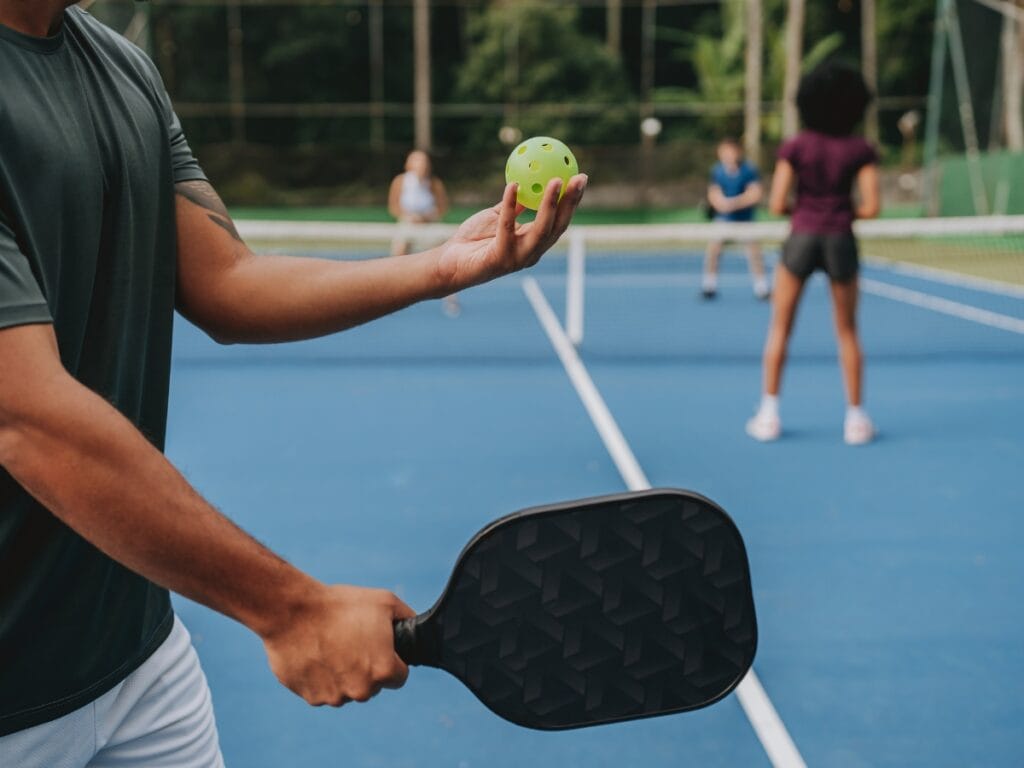
When you’re new to pickleball, focus on a few simple rules that shape every rally: how to serve, the double-bounce rule that governs the first two shots, the non-volley zone (kitchen), and basic scoring. Knowing these reduces confusion, keeps play safe, and lets you concentrate on placement and consistency. The short list below gives the essentials in a format you can remember during warm-ups or between points, with a note on why each rule matters in a casual first-match setting.
Pickleball’s straightforward rules encourage rallies and social play, so beginners get predictable patterns to practice and enjoy.
Must-know rules for your first pickleball match:
- Legal Serve: Serves must be underhand and contact the ball below waist level. The ball must clear the net and land in the opposite diagonal service court.
- Double-Bounce Rule: After a legal serve, the receiving side lets the ball bounce once and then the serving side must let the return bounce once before volleys are allowed.
- Kitchen / Non-Volley Zone: You cannot volley while standing inside the non-volley zone; stepping into the kitchen to volley is a fault.
- Scoring Basics: In most recreational formats, only the serving side scores. Beginner games typically play to 11 points, win by 2.
These core rules keep rallies predictable and reduce aggressive net play, helping beginners focus on control rather than power.
Serving Basics for New Players
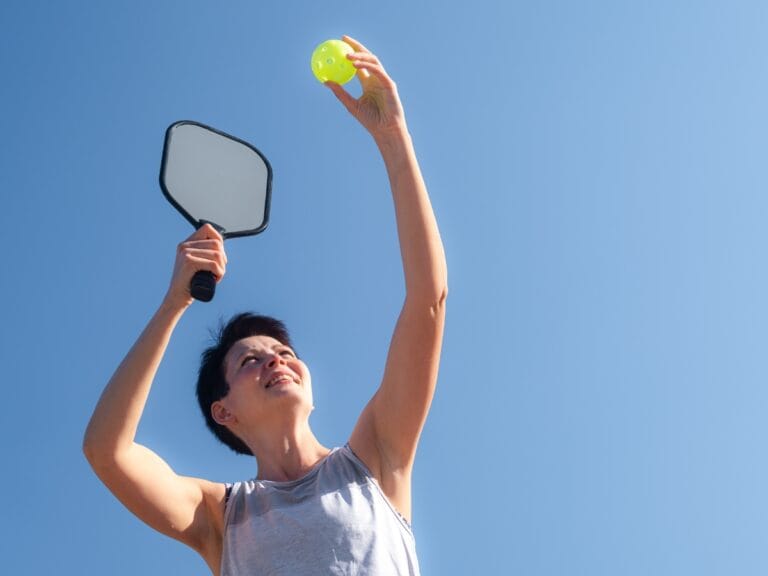
A pickleball serve is designed to start the point in a fair, controlled way rather than as an all out power shot. Stand behind the baseline with both feet out of the court, drop or gently toss the ball, and swing with a smooth underhand motion so contact happens below your waist. Aim diagonally into the correct service box and give yourself a safe margin over the net instead of flirting with the tape. Many beginners come from tennis or other racket sports and are tempted to swing overhand or hit too hard. Slowing down, staying balanced, and repeating the same simple motion will cut down on faults and make it easier for your opponent to return the ball, which leads to better rallies.
During warm up, spend a few minutes serving from both sides of the court so you can find a comfortable routine. Pay attention to where your serves land and adjust your stance or target rather than changing everything at once. A steady, repeatable serve is one of the most useful skills you can bring into any pickleball match, because it lets you start each point with confidence instead of guesswork.
What the Kitchen Rule Means and Why It Matters
The kitchen rule is one of the features that gives pickleball its feel. The non-volley zone stretches seven feet out from the net on both sides, and while you are allowed to enter that space to play a ball that has bounced, you are not allowed to volley while any part of you is in the zone. That includes your momentum after a shot. If you jump, volley, and land in the kitchen, it is still a fault. This rule stops players from standing right on top of the net and smashing every ball, which keeps rallies longer and makes the game safer for everyone.
For beginners, the kitchen teaches patience and control. You have to learn how to stop just behind the line, bend your knees, and play soft dinks and drop shots instead of wild swings. Many early faults happen when players drift forward without noticing or lean in too far to reach a tempting ball. A helpful habit is to check your feet after each shot near the net and recover to a position just behind the line. Over time, understanding the kitchen rule turns rushed, awkward points into calm exchanges at the net, where touch and placement matter more than power.
Keeping Score and Understanding Court Zones in Your First Match
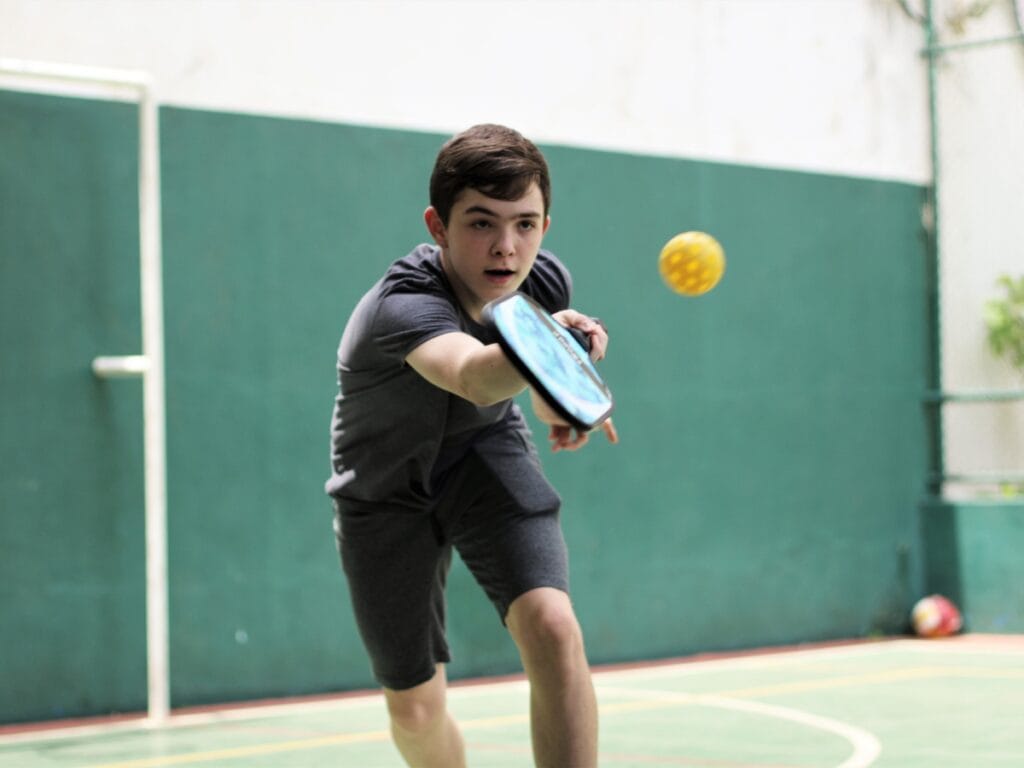
Knowing how to keep score and where to stand on the court takes the guesswork out of your first match. Recreational games are often played to 11 points, and traditionally only the serving side scores — announce the score before each serve so everyone stays on the same page. Key court zones are the baseline, the service courts, and the non-volley zone (kitchen); understanding these areas tells you where serves must land, where volleys are allowed, and where to position for returns. The brief table below maps each zone so you can quickly see how they affect play during your first match.
Different court zones for beginners:
| Zone | What it is | Why it matters |
|---|---|---|
| Baseline | The back line of the court where servers start | Marks legal serving position and a safe spot for deep returns |
| Service Court | The diagonal areas (left/right) where serves must land | Defines serve placement and return targets |
| Non-Volley Zone (Kitchen) | The seven-foot area at the net on both sides | Stops volleying at the net and promotes dinking strategy |
Double-Bounce Rule: What It Is and How It Shapes Play
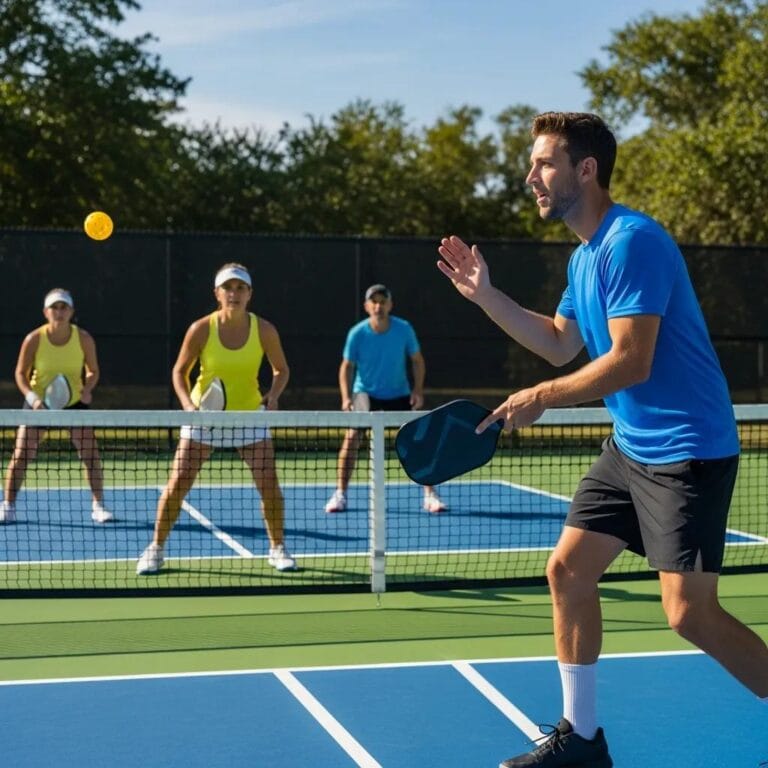
The double-bounce rule says the receiving team must let the serve bounce once, and the serving team must let the return bounce once, before volleys are allowed. In short: server serves (bounce 1), receiver returns (bounce 2), then volleys are okay. This slows the point down so beginners have time to react, move into position, and develop safe volleys and dinks. Use those first two bounces to reset your balance and aim for controlled returns that set up a friendly rally.
How to Track Points and Win a Game
Tracking points means announcing the score before each serve and understanding how serving rotates, especially in doubles, where servers alternate after side-outs. Casual doubles often use three-number calls: serving team score, receiving team score, and which server is serving. Beginners can simplify by saying the score and which side is serving. Most games are to 11 points, win by 2, but you can agree on shorter formats before starting. Common scoring mistakes include forgetting to switch servers after a side-out or miscounting after a let; a quick pause to confirm the score aloud fixes most issues.
Pickleball Etiquette New Players Should Follow

Good etiquette makes the court welcoming and helps everyone get better faster. Key habits include calling lines clearly, rotating fairly during open play, warming up briefly, and treating partners and opponents with respect. Following these simple norms reduces friction at mixed-ability sessions and helps matches move smoothly so everyone gets fair court time. Below is a practical dos-and-don’ts list that’s easy to follow at social sessions and beginner clinics.
Adopting these habits creates a friendly culture on court and makes learning more fun for everyone.
Etiquette dos and don’ts for new players:
- Do call balls honestly and clearly: Make short, accurate line calls and correct mistakes when you notice them.
- Do rotate courteously in open play: Share court time and follow the posted rotation or the host’s instructions.
- Do warm up briefly before matches: Hit and stretch for a few minutes, then yield the court when others are ready.
- Don’t hog the court: Keep drills short during open play so others can join; share practice areas.
- Don’t distract players during rallies: Avoid unnecessary noise or movement near active courts.
These simple habits keep play respectful and efficient, which benefits everyone on the court.
How Beginners Can Show Good Sportsmanship
Sportsmanship in pickleball is mostly about the way you communicate. Short, sincere phrases like “nice rally,” “good shot,” or “thanks for the game” go a long way toward creating a friendly atmosphere. Thank your partner and opponents after each game, even if you struggled or felt off your rhythm. When a call is close and there is doubt, give the benefit of that doubt to your opponents and move on. Protecting the relationship is usually more important than winning a single point.
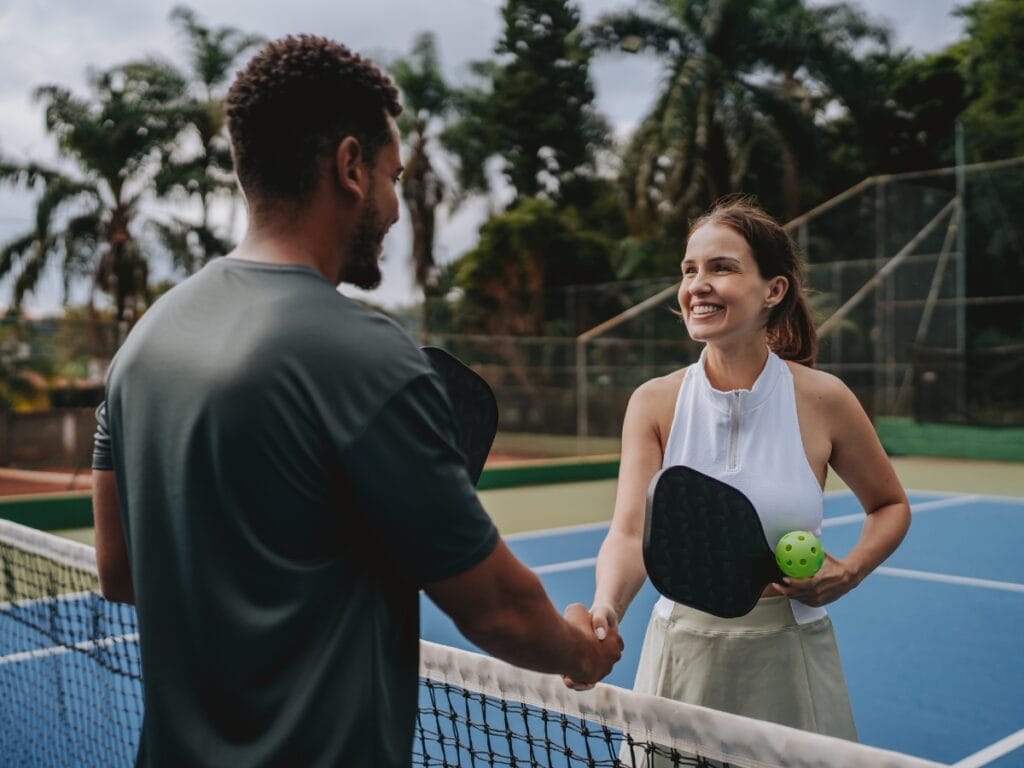
Your body language also sends a message. Instead of throwing your paddle or complaining about mistakes, take a breath, reset, and focus on the next point. If someone is clearly newer than you, be patient, explain a rule if they ask, and avoid coaching them constantly during a game unless they invite it. A quick handshake, paddle tap, or nod at the end of the game shows that you respect the effort on both sides, no matter what the score was.
Common Etiquette Mistakes To Avoid In Your First Match
Most etiquette problems come from small oversights rather than bad intentions. New players sometimes show up right at start time or a few minutes late, which can delay games and frustrate others who are ready to go. Aim to arrive a little early so you can stretch, hit a few balls, and be prepared when it is your turn on court. Another common mistake is staying on a court too long during open play, especially when others are waiting. Keep games and drills within the local norms and invite people who are waiting to rotate in.
Confusion around scoring and line calls can also create tension. Get into the habit of calling the score loudly before each serve so everyone is on the same page, and speak up if you did not hear your partner’s call. If you are unsure how rotation works at a new facility, ask instead of assuming. Players would rather explain the system once than spend the session untangling misunderstandings. By avoiding these simple mistakes, you show respect for the group, fit in more easily with your local pickleball community, and make every pickleball match feel smoother and more enjoyable for everyone involved.
Gear And Preparation For Your First Pickleball Match

The right setup makes a huge difference in how your first pickleball match feels. When you have a comfortable paddle, supportive shoes, and a few basic items packed, you can focus on learning the rules and getting a feel for the court instead of worrying about sore feet or a slippery grip. Most beginners do well with a paddle that leans slightly toward control rather than pure power, non-marking court shoes with solid lateral support, a couple of indoor balls, a water bottle, and breathable athletic clothing that allows easy movement.
Paddle choice is usually the first big decision. A lightweight composite paddle with a smaller to medium grip often suits new players who value control and quick wrist movement at the kitchen line. If you prefer a more balanced feel, a midweight polymer paddle with a medium grip can offer a mix of stability and power without feeling too heavy. Wide-body paddles have a larger sweet spot, which means off-center hits are more forgiving and rallies stay alive longer. Any of these can work for a first pickleball match, so it helps to think about your comfort, wrist strength, and how much control you want over touch shots.
Extras like a small towel or spare shirt are worth slipping into your bag, especially if you tend to sweat a lot or are playing indoors. Having those simple comforts ready to go keeps distractions low and lets you settle into the flow of the game more quickly.
Essential Equipment Checklist For Beginners
For a typical beginner session, aim to bring a paddle that favors control, non-marking court shoes that support side to side movement, at least two indoor balls, a full water bottle, and a towel or extra shirt. The shoes are just as important as the paddle, since running shoes are built more for straight ahead motion and may not feel stable during the quick lateral steps of a pickleball match. Court shoes give you better traction and help protect your ankles and knees as you learn new patterns of movement.
If you are unsure about which paddle to buy, many indoor facilities keep a small selection of demo paddles so new players can test different weights and grip sizes before committing. Trying a few models in real rallies teaches you more than reading a spec sheet, and it can prevent buying something that feels wrong after only a few games. Packing your gear the night before is a simple habit that lowers first match nerves and frees up time to warm up properly once you arrive at the courts.
Being prepared in this way turns your first pickleball match into a learning experience instead of a scramble to borrow equipment or figure things out at the last minute.
Physical And Mental Prep For Your First Match
A short warm up before play can improve your performance and reduce the risk of minor strains. Start with light dynamic movements such as leg swings, arm circles, hip rotations, and ankle rolls to loosen up your joints. Follow that with a few minutes of gentle hitting, including easy serves, returns, and soft dinks near the kitchen line so your timing and footwork can settle in. Even five to ten minutes of focused preparation often makes the first game feel smoother.
Mental preparation matters just as much. Before your first pickleball match, set one or two simple goals, such as keeping the ball in play, calling the score clearly, or communicating with your partner on every point. Take a couple of deep breaths before each serve, remind yourself that you are there to learn, and treat errors as information rather than failures. Hydrate before and during play, pace your effort so you do not burn out in the opening game, and use brief pauses between points to reset your focus.
Indoor centers like Planet Pickle in Suwanee, Georgia, add structure around this process with demo paddles, 12 climate-controlled courts, and beginner clinics, which can make starting out less intimidating. Whether you play there or at another local venue, combining the right gear, a simple warm-up, and realistic expectations will help your first few matches feel enjoyable and productive.
How To Join Your First Match At Planet Pickle And What To Expect

Joining your first pickleball match at an indoor facility is much easier when you know what kind of session you are walking into. Most new players choose between an instructor-led beginner clinic or a beginner-friendly open play block. The best option depends on whether you want step-by-step teaching or if you feel ready to jump into short games and learn as you go. Both approaches help you understand the rhythm of a pickleball match while keeping the environment relaxed and supportive.
Beginner clinics usually run for about an hour or a bit longer and focus on fundamentals. You will learn how to serve, how the double-bounce rule works, where you can and cannot stand in the kitchen, and how scoring works in a typical recreational game. Open play sessions tend to run a little longer and are built around rotating partners and opponents through a series of short games. Drop in practice time is often more flexible and gives you room for targeted drills, serves, and dinks with whoever is available on court.
When you decide which format fits you best, the next step is simple. Reserve a spot in the chosen session, arrive a little early, and check in at the front desk so staff know you are new. They can point you toward the right court, explain how rotations work, and answer quick questions before you start. Knowing what will happen in your first session removes a lot of nerves and lets you focus on learning the basics of play.
Planet Pickle Beginner Clinics And Open Play Options
Planet Pickle offers beginner clinics that break down the game in a clear way so new players can build confidence from the first day. Certified coaches walk you through serves, returns, the double-bounce sequence, and how to move safely around the kitchen line. You will run through simple drills that build control, such as soft dinks and easy third-shot drops, and you will get repeated chances to ask questions as you go. This kind of structure is helpful if you like understanding the “why” behind each rule before you play a full pickleball match.
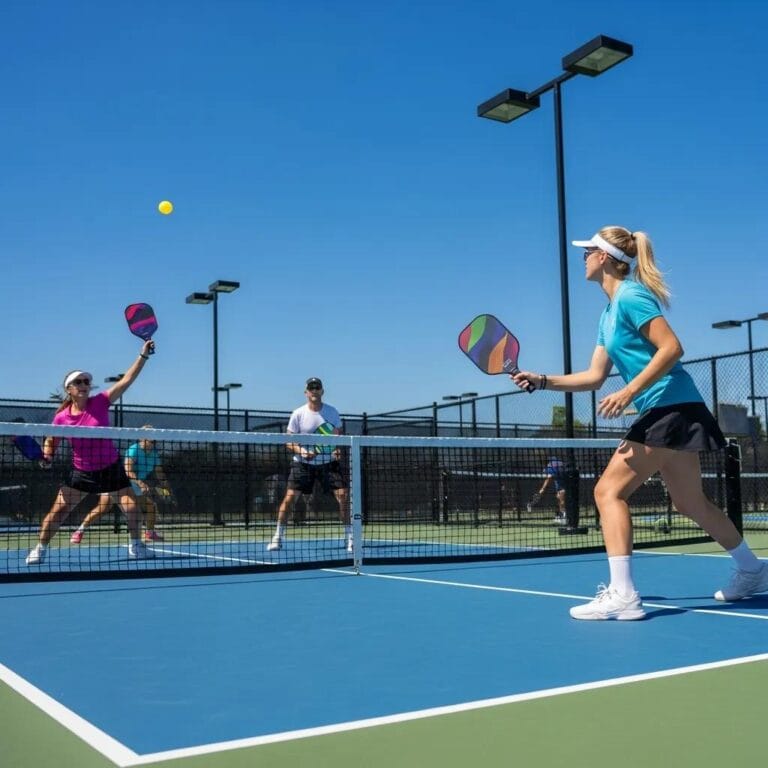
Beginner-friendly open play at Planet Pickle has a slightly different focus. Instead of running drills for most of the session, you rotate into casual games with other new and developing players. Hosts help manage who goes on court, keep games moving, and mix pairings so you meet a range of partners and opponents. You still get help with etiquette and scoring, but most of the learning comes from real points and short games. If you learn best by doing, open play can be a good first step.
How The Planet Pickle Community Helps Your First Match
One of the biggest advantages of starting at Planet Pickle is the community around you. The indoor, climate-controlled courts draw players from across the greater Atlanta area, and many regulars remember what it felt like to be new. Family playdays, social mixers, and beginner blocks all create low-pressure spaces where questions are encouraged and mistakes are treated as part of the process rather than a problem.
Coaches and staff often help with introductions so you are not left standing on the sideline wondering where to go. They explain rotation rules, remind you of scoring when it gets confusing, and offer quick tips between games that you can try in your very next rally. Over time, familiar faces turn into regular partners, and a single first pickleball match becomes the start of a steady routine. By choosing a session that fits your comfort level, showing up prepared to learn, and leaning on the support of the Planet Pickle community, you give yourself a strong start in the sport.
Top Tips for First-Time Pickleball Players to Succeed and Have Fun
Simple habits deliver the biggest gains for new players: prioritize consistency over power, watch your positioning, communicate with your partner, and pace your energy. Below are practical tips you can use right away. After the list, short drills and quick fixes help turn advice into results on the court.
Start with these habits to accelerate your progress and keep the game fun.
- Prioritize Consistency Over Power: Aim for controlled, accurate shots to keep rallies alive and build confidence.
- Communicate with Your Partner: Call “mine” or “yours” and decide who handles lobs to avoid collisions.
- Get to the Kitchen Line Carefully: Move forward only when the ball has bounced or you have time for a safe approach.
- Announce Scores and Calls Clearly: Simple verbal confirmations prevent disputes and keep play moving.
- Pace Yourself and Hydrate: Take short breaks and sip water to maintain energy through multiple games.
Quick Drills To Improve Fast During Your First Match
You do not need a long training plan to see progress. A few short drills during warm-up or between games can quickly sharpen key skills. One useful option is a simple dink rally at the kitchen line with a partner. Trade soft shots back and forth, trying to keep the ball low over the net and inside the court. This builds touch and teaches you how little power you really need on many shots.
Next, spend a few minutes on serve and return practice. Aim your serves deep into the service box, then have your partner return the ball with a controlled shot that also lands deep. This reinforces placement, highlights the double bounce sequence, and gets you comfortable with the first few shots of a typical point. You can also work in a short volley exchange, standing just behind the kitchen line and tapping the ball gently in the air to test your reaction time without swinging wildly.
If you are playing at an organized facility like Planet Pickle, coaches and more experienced players often weave these quick drills into clinics and open play. That structure makes it easier to try new habits inside a real pickleball match instead of only in practice.
Common Beginner Mistakes And Easy Fixes
New pickleball players tend to run into the same handful of issues, and each one has a simple adjustment. Overhitting is one of the most common. When you notice balls sailing long or into the net, slow your swing and focus on sending the ball higher over the net with a clear target in mind. Poor footwork is another frequent problem, especially when players stretch for shots instead of taking small steps. Think about staying light on your feet and using short adjustment steps rather than lunging.
Kitchen faults show up often in early games. Many beginners drift into the non-volley zone while volleying, or let momentum carry them forward after a shot. Practicing an approach where you stop just behind the kitchen line and bend your knees for low balls will reduce those calls. Lack of communication with a partner is the final big one. Before each game, agree on simple calls for middle balls and lobs, and keep talking during points.
By pairing each mistake with a basic fix and staying patient, your first pickleball match becomes a chance to learn rather than a source of frustration. Over a few sessions, these small adjustments add up to more confident movement, cleaner rallies, and a lot more fun on court.
Frequently Asked Questions
What should I wear for my first pickleball match?
Wear comfortable athletic clothes that let you move freely and wick sweat. Footwear matters: choose non-marking court shoes with lateral support to prevent slips. Avoid running shoes, which don’t offer the same side-to-side stability. Bring a light layer in case the facility is cool.
How can I find local pickleball sessions or clinics?
Check community centers, sports clubs, and dedicated pickleball facilities for schedules. Look for local groups on Facebook or Meetup, or visit facility websites for listings. Planet Pickle and similar centers post beginner-friendly clinics and open play — calling or checking their site is a quick way to get started.
What are some common mistakes beginners make in pickleball?
Common mistakes include overhitting, not calling balls or scores, and stepping into the kitchen while volleying. Correct these by slowing your swing, communicating with your partner, and practicing stopping just behind the kitchen line. Addressing these early makes learning smoother and more fun.
How can I improve my pickleball skills outside of matches?
Practice specific skills with focused drills: serves, dinks, and volleys. Use a wall, a partner, or solo footwork drills to build movement and consistency. Watch instructional videos, attend clinics, and play with more experienced players to get feedback and speed your progress.
What should I do if I feel nervous before my first match?
Nerves are normal. Breathe deeply, visualize a positive ride, and set a small, achievable goal like “focus on consistency.” Arrive early to warm up and settle in — that routine alone can calm jitters and build confidence.
How can I stay hydrated during my pickleball match?
Bring a full water bottle and take small sips between points. Hydrate before you play, and if you’ll be on court for a long time, consider an electrolyte drink to replace salts lost through sweat. Listen to your body and drink when you feel thirsty.
Conclusion
Walking into your first pickleball match is an exciting step into one of America’s fastest-growing sports. Remember to focus on fun, communication with your partner, and learning the unique flow of the game. At Planet Pickle, we provide the perfect environment for new players to learn, practice, and play with top-tier courts, beginner-friendly clinics, and a welcoming community. Ready to serve up some fun? Call 678-404-5792 today to book a court, join a program, and discover why pickleball is more than a game—it’s a lifestyle. Your next match is waiting