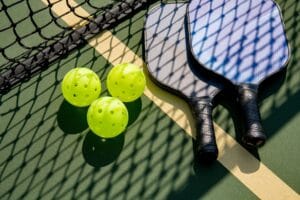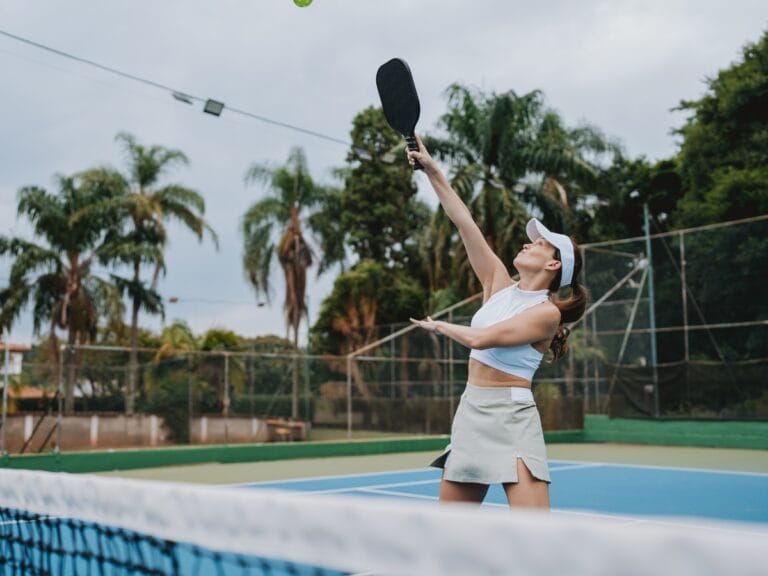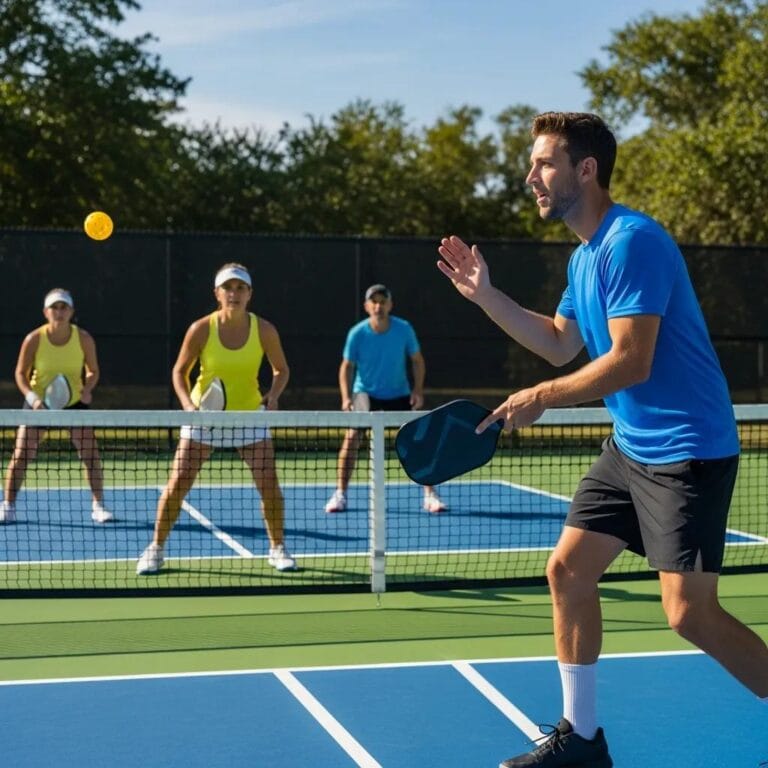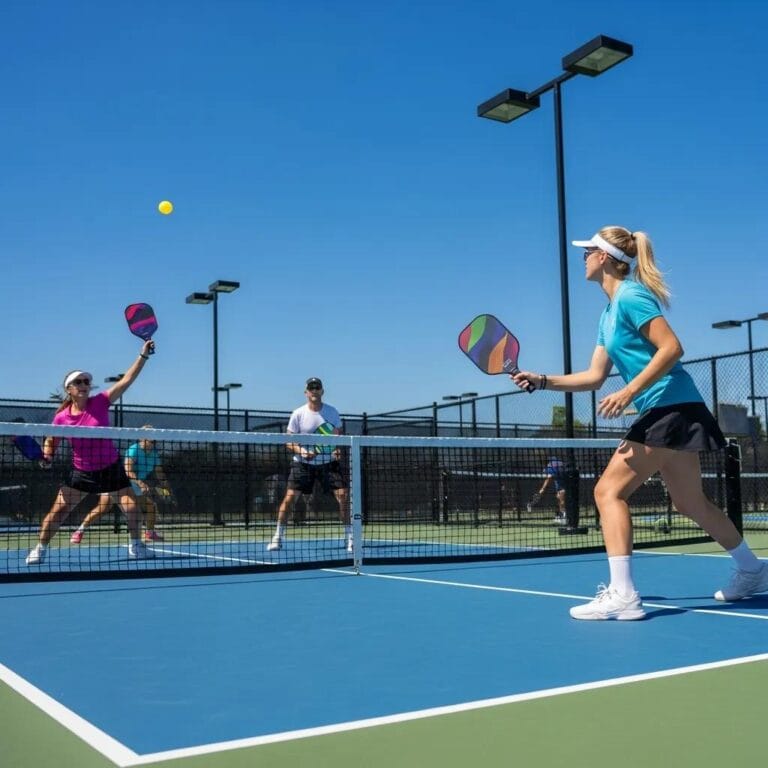

Having the right equipment needed for pickleball is the first step to enjoying pickleball to its fullest—and it doesn’t require a large investment or complicated gear to get started. At its core, the sport calls for just a few essential items: a properly weighted paddle, durable outdoor balls, a supportive pair of court shoes, and access to a well-marked court.
In this guide, we’ll break down the key equipment every player needs, explain what to look for when choosing each item, and offer tips for selecting gear that matches your skill level and playing style, so you can step onto the court with confidence and focus on the game.
Key Equipment Needed For Pickleball: Your Ultimate Starter Guide
What Are the Absolute Essentials for Playing Pickleball?
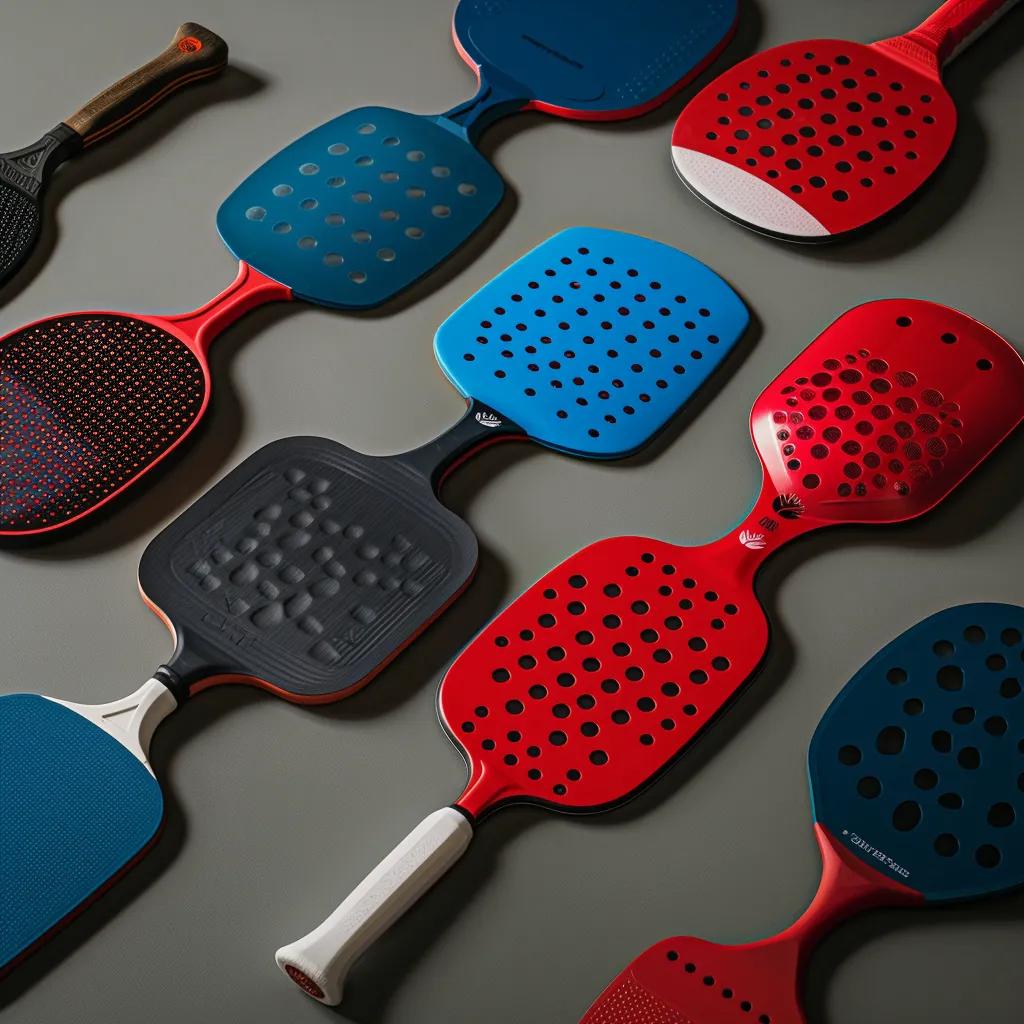
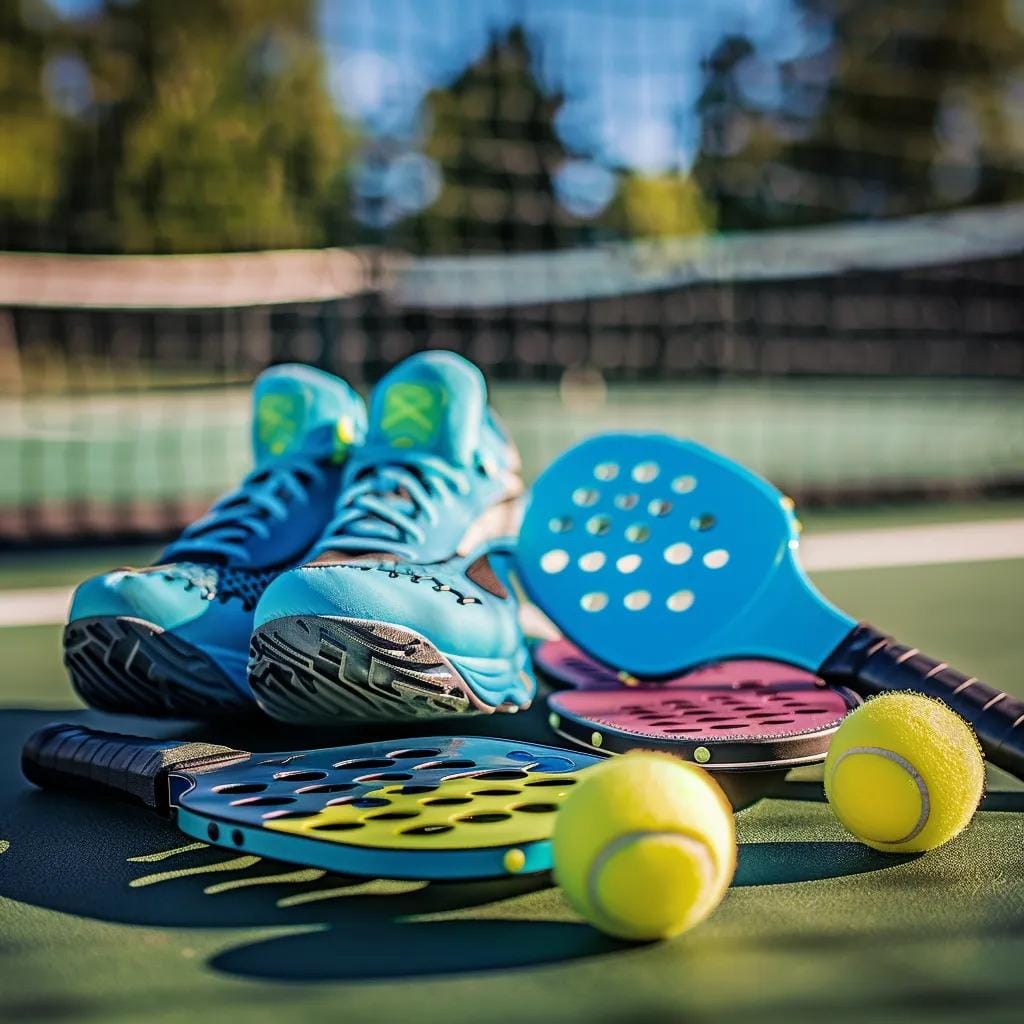
If you are starting from scratch, the core equipment needed for pickleball is simple: a paddle, a few pickleballs, and supportive court shoes. The paddle is your main control tool, shaping how much touch you have on dinks and volleys and how much pace you can generate on drives. Balls determine bounce and flight, which changes your timing from surface to surface. Shoes matter more than most newcomers expect, since lateral support and non-marking soles help you move safely and cut down on rolled ankles or sore knees. For a first session, aim for a midweight paddle that feels steady in the hand, a sleeve of balls that match your court type, and tennis or pickleball shoes built for side-to-side movement.
Which Pickleball Paddle Should Beginners Choose?
Start by dialing in weight, grip size, and materials. A midweight paddle, usually somewhere around the 7.6 to 8.2 ounce range, gives a helpful balance of control and power without tiring your arm. Grip size around 4.0 to 4.25 inches works for many adults, offering enough leverage without forcing the wrist into awkward angles. Most beginner-friendly models pair a graphite or carbon face with a polymer core. That construction produces a predictable feel, decent pop for serves and overheads, and enough softness for the kitchen. If you struggle with timing or elbow soreness, step slightly lighter. If you want more punch on drives and counters, step slightly heavier. Treat the first paddle as a baseline that lets you learn sound mechanics before you fine-tune for a specific style.
What Types Of Pickleball Balls Are Best For Indoor And Outdoor Play?
Ball choice should match the court. Indoor balls tend to have larger holes and a softer wall, which creates a higher, livelier bounce on wood or gym flooring. That feel favors longer rallies and controlled placement. Outdoor balls use a harder plastic and smaller, more uniform holes to handle wind, sun, and rougher asphalt or concrete. They bounce a little lower, stay truer in breezes, and last longer outside.
If you plan to join leagues or tournaments, look for USA Pickleball-approved models so bounce, hardness, and hole pattern are consistent from venue to venue. Switching between indoor and outdoor types is normal, but practicing a few minutes beforehand helps you recalibrate your trajectory and strike height.
Do Shoes And Small Accessories Make A Difference?
Yes. Shoes are the quiet workhorse of the equipment needed for pickleball. Choose non-marking court shoes with good lateral support and a stable heel. Running shoes are built for straight-line motion and often feel tippy during quick cuts.
Proper footwear reduces slips, helps you stop and start cleanly, and keeps your joints happier during long sessions. A few low-cost accessories also pay off. Overgrips improve traction and let you slightly increase grip size without buying a new paddle. A paddle cover protects the face from chips in transit. Basic eye protection is a smart addition in crowded rec play. Bring a water bottle and a small towel so you can keep hands dry, since a steady grip is key to clean contact at the kitchen line.
Bottom Line For New Players
Keep it simple early on. A comfortable midweight paddle, the right balls for your court, and supportive shoes will carry you through lessons, drills, and your first matches. As your game develops, you can adjust paddle weight, core feel, and grip size to match your strengths. Starting with the right equipment needed for pickleball makes learning easier, safer, and a lot more fun.ddle feel and timing. Next up: shoes and apparel to move safely and efficiently on court.
How Do You Choose the Right Shoes and Apparel for Pickleball?

When you think about the equipment needed for pickleball, shoes and clothing are as important as your paddle. The right setup lets you start, stop, and change direction without worrying about slips or sore joints.
Court shoes are built for side-to-side stability rather than straight-ahead cushioning. Unlike running models, their sole design and upper structure support quick lateral moves and help reduce the risk of ankle rolls. Look for non-marking outsoles, a secure heel, and a snug midfoot that keep you from sliding inside the shoe. Some shoes sit low and close to the ground for maximum stability, others add more cushioning underfoot, and all-court styles use tougher outsoles so you can move between indoor and outdoor surfaces without swapping pairs.
Clothing should support that same style of movement. Moisture-wicking, stretchy fabrics keep you cooler during rallies and prevent your swings and lunges from feeling restricted. Shorts, skirts, or leggings with light compression can add support, and well-fitted waistbands help when you are bending and reaching for low shots. Simple ball pockets are useful for casual play, and performance socks that manage sweat make your court shoes feel better over time.
Why Are Court Shoes Important For Pickleball Performance?
Court shoes are designed around the forces that show up in pickleball: sharp stops, quick pushes off the line, and frequent pivots at the kitchen. Their outsole patterns provide multi-directional traction on gym floors, and non-marking rubber helps keep facilities in good shape while giving you reliable grip. A stable midsole and roomy toe box support lunges and recovery steps, while reinforced toes handle repeated drag steps when you reach for low balls.
Research on footwear for racquet sports such as tennis, pickleball, badminton, and squash shows that the best designs balance flexibility in some directions with firmness in others so your joints are not absorbing every impact alone. Shoes that are overly stiff through the middle of the foot may limit natural motion and leave you feeling more fatigued. Many players who move from worn-out running shoes to proper court models notice better balance, fewer minor aches, and more confidence when they push for wide shots.
What Athletic Apparel Enhances Comfort And Movement On The Court?
Your clothing rounds out the equipment needed for pickleball by supporting the way you move. Pickleball apparel works best when it uses breathable, quick-drying materials and four-way stretch so you can reach overhead, twist through your core, and move laterally without fighting your outfit. Lightweight tops and flexible bottoms help prevent overheating, while flat seams and smooth fabrics reduce rubbing from repeated motions.
Families and older players often prefer relaxed fits that are easy to put on and comfortable throughout a match. Thin layers make it simple to adjust to changing temperatures as you move between outdoor warmups and cooler indoor courts, and details like pockets or low-profile ball holders keep the game flowing.
When your footwear and apparel work together, they become a quiet but essential part of the equipment needed for pickleball. Supportive shoes, practical fabric choices, and a comfortable fit let you play longer, protect your joints, and focus on improving your game instead of managing discomfort.
What Additional Pickleball Accessories Improve Your Game And Comfort?
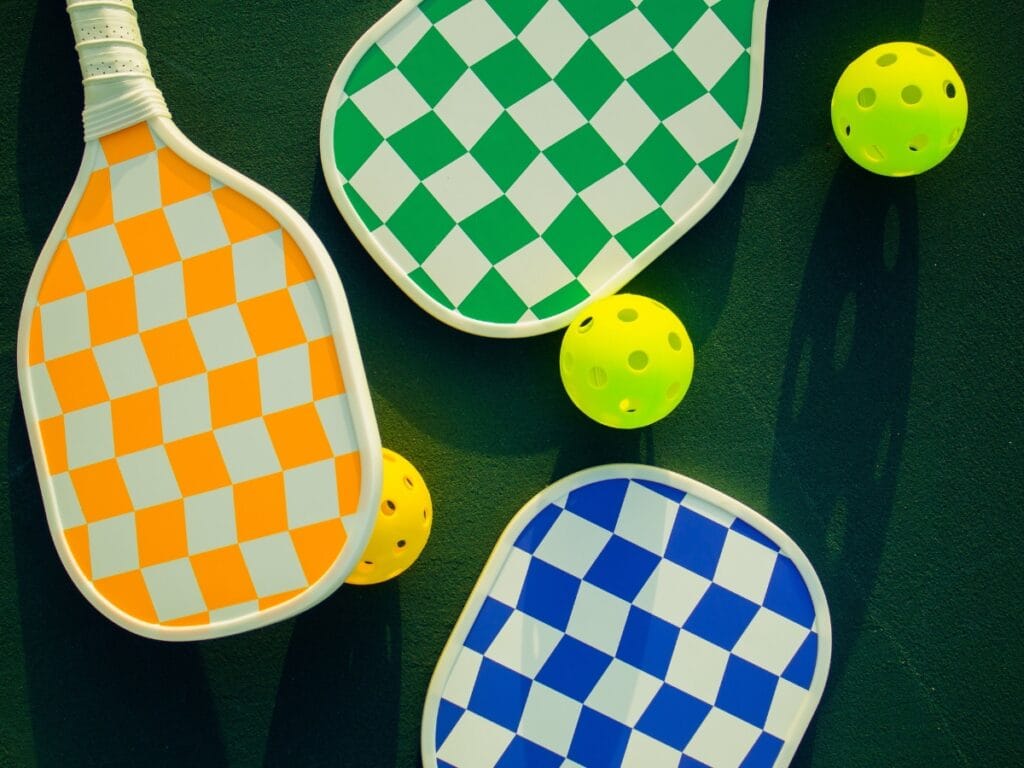
Once you have a paddle, balls, and shoes sorted, it helps to think about the smaller pieces of equipment needed for pickleball that make playing more comfortable. Accessories like overgrips, a reliable bag, protective eyewear, and light joint supports may not seem essential at first, but they quickly prove their value during longer sessions. Overgrips help manage sweat, restore tackiness, and let you fine-tune grip size without replacing the entire handle. Many players keep a few in their bag so they can swap them out when the handle feels slick or worn down.
A pickleball-specific bag is another simple upgrade that keeps your paddles, shoes, balls, and extra layers in one place. Instead of juggling loose items between your car and the court, you have a consistent setup that travels easily for drop-in play and local events. Protective eyewear adds a layer of safety during fast exchanges at the kitchen, lowering the risk of eye injuries from deflected balls or stray shots. Wrist supports, ankle sleeves, and soft braces can provide mild stability and reassurance for players who are easing back into regular activity or managing old injuries. These accessories round out the equipment needed for pickleball so you can focus more on play and less on distractions.
Which Pickleball Nets And Court Setup Options Are Suitable For Home Play?
Nets and court setups are a big part of turning casual interest into regular practice. Portable nets come in a range of styles, from lightweight models that you can set up in a driveway to heavier, competition-style frames suited for semi-permanent backyard courts. The best choice depends on how much space you have and how often you plan to leave the net standing. For smaller areas, practice nets that cover only part of the full width of a regulation court still work well for volleys, dinks, and serve drills.
Before buying a net, measure your space carefully and consider how easy it will be to assemble and store. Adjustable-height nets with stable bases are helpful if you are sharing the area with kids or using the space for other activities. Weather-resistant frames and netting hold up better in outdoor conditions, especially in sunny or humid climates. Temporary court tape, chalk, or removable line markers make it easier to visualize boundaries and run more structured drills, even if you are playing on a driveway or cul-de-sac. A simple home setup encourages families to practice together outside facility hours and makes it easier to fit in short sessions during the week.
What Protective Gear And Sweat Management Accessories Should You Consider?
Protective gear and sweat control may not be the first things you think of when listing equipment needed for pickleball, but they have a direct impact on comfort and consistency. Wrist supports, knee sleeves, and ankle sleeves offer mild compression and a sense of stability for players with tender joints or a history of sprains. They are not a replacement for proper warm-ups or strength work, but they can reduce soreness and give you more confidence when you move aggressively toward the ball.
Sweat management is just as important, especially during long rallies or warm weather play. Overgrips are inexpensive and easy to replace, which makes them an obvious choice when your handle starts to feel slippery. Absorbent wristbands help keep sweat from running down your arm and onto your grip, while headbands or caps reduce the chances of sweat getting into your eyes at key moments. Together, these small items create a more comfortable playing experience and help you stay focused on timing, footwork, and strategy. With the right mix of accessories, nets, and protective gear in place, your setup supports steady improvement rather than getting in the way of it.
How Can Beginners Access Pickleball Equipment Without Buying?
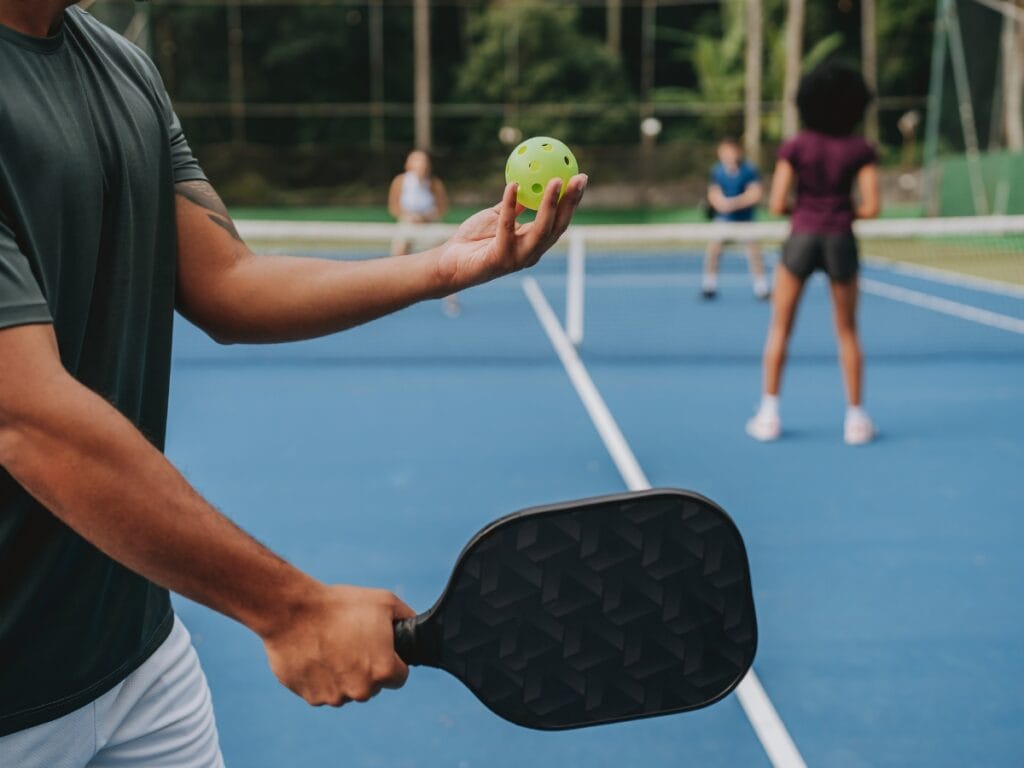
If you live near a local facility, especially around the greater Atlanta area, you can usually try pickleball without buying everything at once. Renting or borrowing gear, joining beginner clinics, and attending community drop-in sessions give you a chance to experience the game before committing to a full setup. This is one of the easiest ways to get familiar with the basic equipment needed for pickleball while keeping your upfront costs low.
At Planet Pickle in Suwanee, new players can rent paddles and balls and join beginner-friendly sessions where staff and coaches are available to help. Instead of guessing in a store, you can feel how different paddle weights, grip sizes, and ball types respond in real rallies. Many beginners use their first few visits to experiment a little. They might try a slightly heavier paddle one day and a lighter one the next, pay attention to how their wrist and shoulder feel afterward, and notice what gives them the best control at the kitchen line.
You can also look beyond rentals. Borrowing a paddle from a friend, joining a community group that keeps a few loaner paddles on hand, or rotating through different models at open play gives you real feedback on what works for you. Over a few sessions, you start to understand which pieces of equipment feel natural and which ones hold you back. That experience is worth a lot when you are ready to buy your own gear and build your personal list of equipment needed for pickleball.
What Equipment Rentals Does Planet Pickle Offer For New Players?
At the indoor facility in Suwanee, Planet Pickle keeps a selection of paddles and balls available for rental so newcomers can test gear without a big investment. Renting gives you a chance to try different paddle weights and grip sizes in the same environment where you will actually play, which makes it easier to notice small differences in control, power, and comfort. You can see whether a slightly thicker grip helps your fingers relax or whether a lighter paddle makes quick exchanges at the net feel smoother.
Rentals fit naturally with year-round sessions and beginner clinics. You can show up with nothing more than athletic shoes, join a coached class, and test a paddle while learning basic footwork and scoring. By the end of a few lessons, most players have a clearer sense of what they like and what they do not, which helps reduce buyer’s remorse once they decide to purchase their own paddle and shoes. For families, renting is a simple way to let kids and adults experiment together before committing to multiple sets of gear.
How Do Beginner Lessons And Programs At Planet Pickle Support Equipment Choices?
Beginner lessons at Planet Pickle combine instruction with practical guidance on equipment, so you are not choosing gear in isolation. Coaches watch your swing, your grip, and how you move on the court, then suggest paddle weights, grip sizes, and shoe features that match your style and comfort level. If your hand feels cramped, they may recommend adding an overgrip to slightly increase the size. If your wrist looks strained, they might have you try a midweight paddle instead of a heavier option.
Because rentals are available on site, you can switch paddles during a lesson and feel the difference immediately rather than waiting for another day. Community programs and partnerships with brands like JOOLA also mean that a variety of paddle styles pass through the courts, giving many beginners the chance to try several designs before buying anything. Over time, this mix of coaching, rental access, and real match play helps new players build confidence, understand their own preferences, and make smarter choices about the gear they eventually bring to every game.rs get to trial trusted paddle styles used in lessons and pick-up play. That hands-on approach helps you match gear to skill development and avoid equipment guesswork.
What Are the Best Pickleball Paddle Features for New Players?
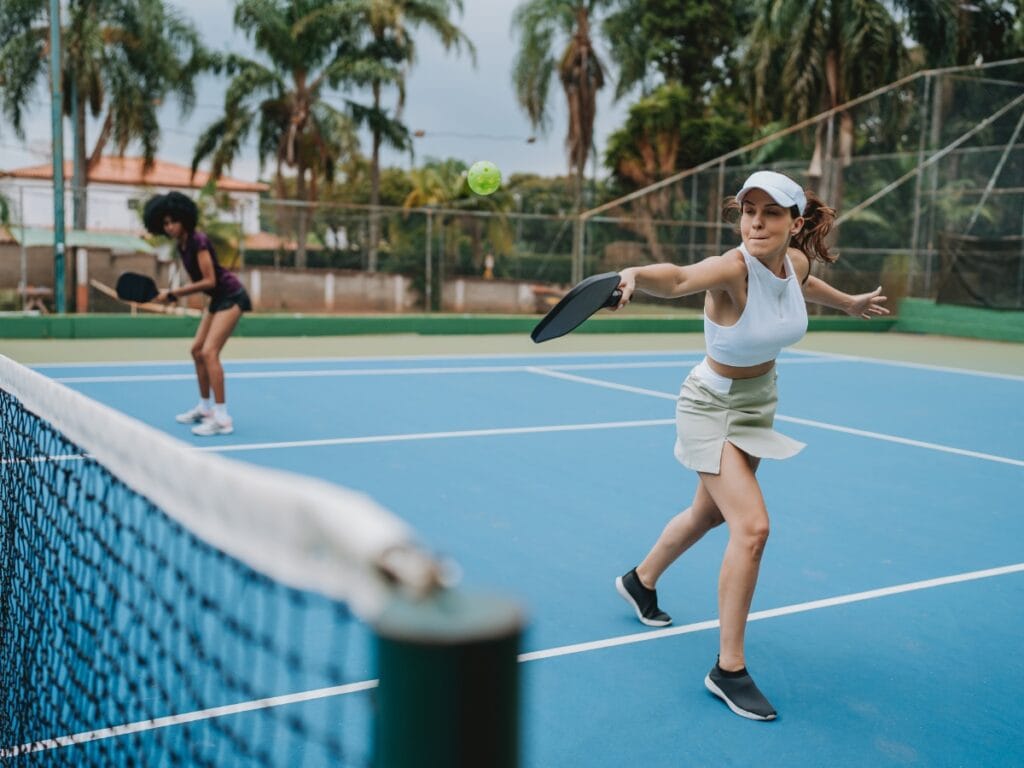
New players should prioritize paddles that emphasize control, maneuverability, and lower arm fatigue: typically a midweight graphite face, polymer core, and a grip that fits the hand. Weight changes swing speed and control — lighter paddles give faster reactions, midweights balance power and precision — while grip circumference controls wrist action and comfort during volleys and serves. Paddle shape and edge protection affect sweet spot size and durability, and face material (graphite or carbon) sets responsiveness and touch. A solid starter choice is a midweight graphite paddle with a polymer core and a 4.0–4.25″ grip to encourage consistent dinks and steady shot development.
How Do Paddle Weight, Grip Size, and Material Affect Play?
Paddle weight controls swing momentum — heavier paddles add power but slow recovery and may strain the arm; lighter paddles allow quicker reactions but offer less natural drive. Grip size changes wrist leverage and comfort — too small a grip can increase wrist torque and elbow strain, while too large a grip limits wrist rotation and reduces touch. Material choices trade responsiveness for forgiveness: graphite or carbon faces feel crisp, while polymer cores give a softer, more forgiving response. Knowing these trade-offs helps you pick a paddle that supports skill development rather than hiding mechanical issues with raw power.
Which Paddle Brands and Models Are Recommended for Beginners?
Instead of chasing brand names, beginners should look for paddles with a graphite or carbon face, a polymer core, midweight balance, and a comfortable grip. These features give control, consistent response, and manageable power. Many clubs and coaching programs use partner brands — for example, Planet Pickle’s partnership with JOOLA provides a local reference for paddles often used in lessons and pick-up play. Test several paddles within the recommended specs and choose the one that feels smooth on dinks and doesn’t fatigue your arm during longer rallies. Prioritizing features over hype sets you up for comfort and steady improvement.
What Should You Know About Indoor Pickleball Equipment and Court Conditions?
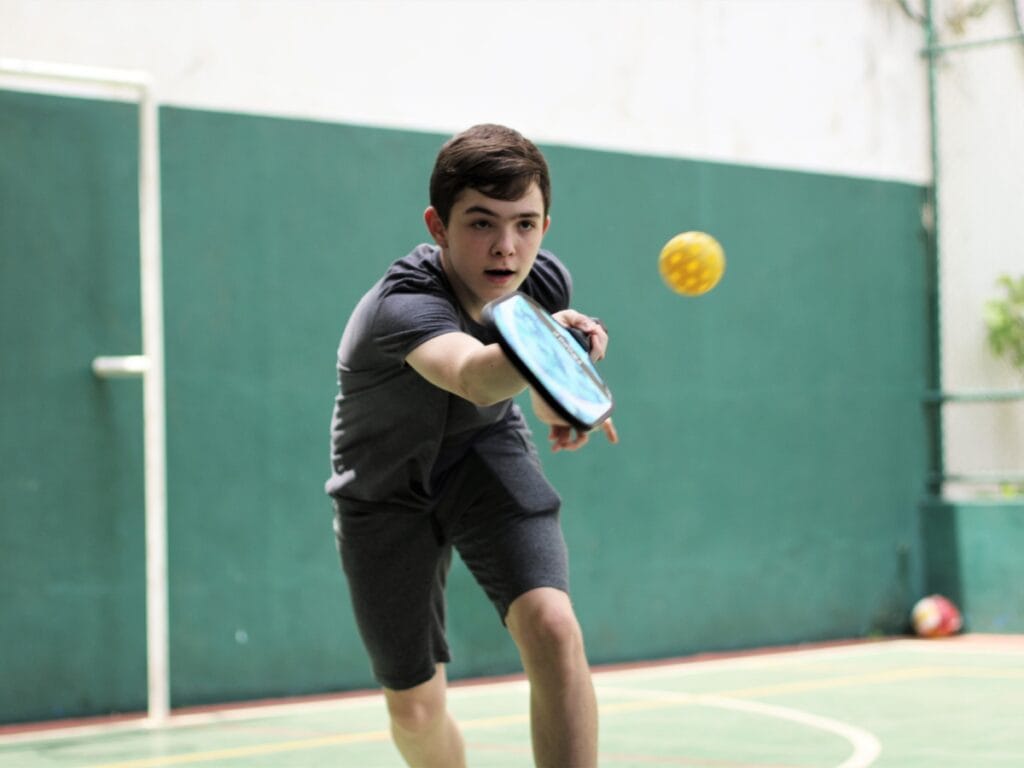
Indoor play changes how balls, shoes, and paddles feel because gym floors and controlled environments amplify spin and speed compared with outdoor courts. Indoor balls often bounce higher and travel more predictably without wind, so you may need to soften your swing and sharpen touch shots inside. Non-marking court shoes with solid lateral support are essential to protect the floor and give you traction for quick recoveries after volleys and dinks. Understanding these indoor differences helps you adapt gear and style for consistent year-round play.
How Do Indoor Pickleball Balls Differ from Outdoor Ones?
Indoor balls are usually softer with larger or fewer holes and thinner walls, which creates a livelier bounce and more predictable flight on smooth gym surfaces — great for dinking and fast net exchanges. Outdoor balls are made from firmer plastic with thicker walls and hole profiles tailored to reduce wind effects and stand up to rougher surfaces, so timing and bounce feel different at the net. For facility play and tournaments, using the recommended indoor ball keeps rallies consistent and avoids surprises during lessons and matches. Matching the ball to the surface makes practice transfers to game situations much easier.
Why Is Indoor Court Footwear Different from Running Shoes?
Indoor court shoes are built for lateral stability, non-marking outsoles, and multidirectional traction to handle the quick pivots and shuffles in pickleball. Running shoes focus on forward cushioning and won’t give the same side-to-side support. Court shoes feature stiffer midsoles, reinforced uppers, and textured non-marking rubber that reduce slipping and spread forces during abrupt stops, lowering the risk of ankle sprains and knee strain. Wearing worn-out running shoes indoors can hurt traction and raise injury risk, so investing in proper court footwear improves safety and performance. The right shoes complement your paddle and ball choices to create a cohesive setup for facility play.
Frequently Asked Questions
1. What is the best way to maintain my pickleball equipment?
Take care of your gear and it will last longer and perform better. Wipe paddles clean with a damp cloth, check for chips or cracks, and store them in a protective case. Inspect balls and replace any that are warped or have lost bounce. Clean court shoes to remove grit and check soles for wear so traction stays reliable. Regular maintenance keeps gear ready and saves money over time.
2. Can I play pickleball on any type of court surface?
Pickleball can be played on many surfaces, but the best options are courts designed for the sport or tennis courts with proper markings. Hard surfaces like asphalt or concrete work well outdoors; indoor gym floors give a smooth, controlled environment. Avoid uneven or soft surfaces that can cause injury and change how the ball bounces. Always check court conditions before you play.
3. How can I improve my pickleball skills as a beginner?
Get consistent practice and focus on fundamentals. Join beginner clinics or lessons to learn proper technique and strategy, and drill basic shots like dinks, volleys, and serves. Play with different partners to experience varied styles, watch instructional videos, and review your own play to find areas to improve. Be patient — steady practice leads to real progress.
4. What are the benefits of joining a pickleball community or club?
Joining a club gives you organized play, social connections, and chances to improve your skills in a supportive setting. Clubs run games, tournaments, and clinics, which help you meet players and stay motivated. Many clubs offer equipment rentals and coaching, too — practical resources for beginners. Being part of a community makes the game more fun and keeps you coming back.
5. Are there specific drills I can do to enhance my pickleball game?
Yes. The “dink rally” (standing near the kitchen and exchanging soft shots) builds control and touch. Volley drills sharpen reflexes and hand-eye coordination. Practicing serves and returns improves your starting point in points. Repeat these drills consistently and you’ll see steady improvement.
6. What should I consider when choosing a pickleball paddle for my playing style?
Consider weight, grip size, and material. Lighter paddles are more maneuverable; heavier paddles add power. Grip size affects comfort and wrist control — pick one that fits your hand to avoid strain. Graphite paddles often balance power and control, while composite paddles can be more durable. Try different paddles to find what suits your game.
7. How can I stay safe while playing pickleball?
Use the right equipment and practice safe habits. Wear court shoes with non-marking soles, warm up before playing, stay hydrated, and communicate with other players to avoid collisions. If you feel pain, stop and assess. These simple steps help keep play fun and injury-free.
Conclusion
Having the right equipment—from the perfect paddle and durable balls to proper court shoes—is the first step toward enjoying pickleball to its fullest. But great gear deserves a great place to play. At Planet Pickle, we provide premier courts, top-tier rental equipment, and programs for all skill levels in a vibrant, community-focused environment. Ready to gear up and play? Call 678-404-5792 today to book court time, join a clinic, or explore our amenities. Your best games are waiting at Planet Pickle.